Understanding and Managing Allergies
Allergies occur when your immune system reacts to a foreign substance—such as pollen, bee venom or pet dander—that doesn't cause a reaction in most people. While some allergies are minor annoyances, others can be severely debilitating or even life-threatening.
Common Allergens
- Airborne: Pollen, animal dander, dust mites, and mold.
- Food: Peanuts, tree nuts, wheat, soy, fish, shellfish, eggs, and milk.
- Insect Stings: From bees or wasps.
- Medications: Particularly penicillin or penicillin-based antibiotics.
Symptoms and Impact
Allergy symptoms depend on the substance involved and can affect your airways, sinuses, skin, and digestive system. Common signs include sneezing, itching, swelling, and rashes. Managing these symptoms effectively is key to maintaining daily productivity and comfort.
Treatment Strategies
- Avoidance: Identifying and staying away from your triggers is the most effective strategy.
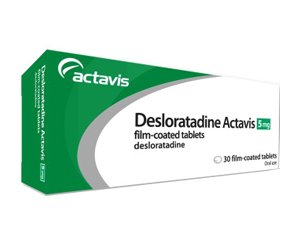
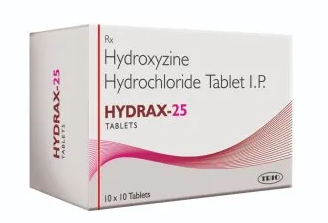
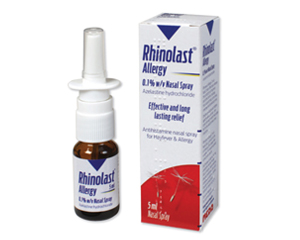
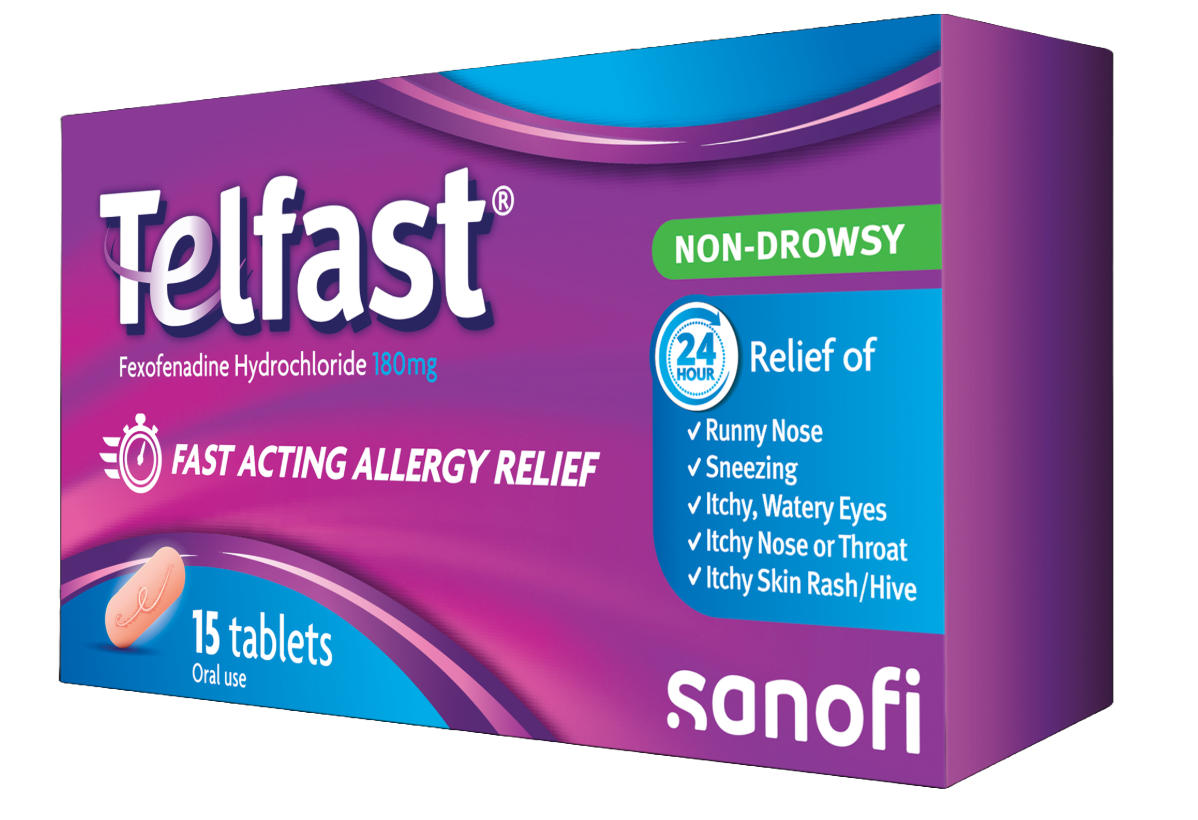
- Antihistamines: Medications like Fexofenadine and Desloratadine provide non-drowsy relief from itching and sneezing.
- Decongestants: Help with short-term relief of nasal congestion.
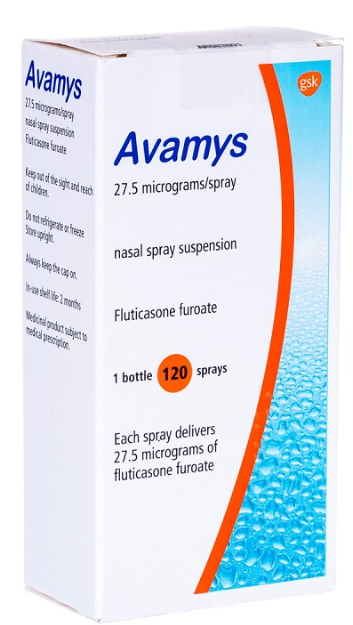
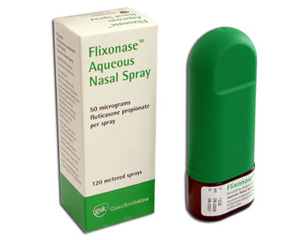
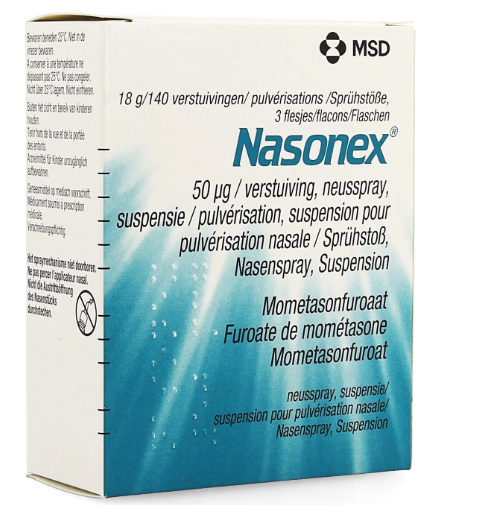
- Nasal Corticosteroids: Sprays like Avamys provide powerful anti-inflammatory action for the nose.
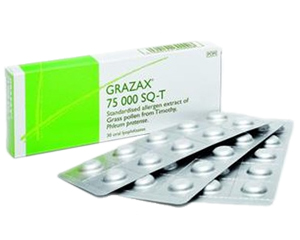
- Immunotherapy: For severe cases, treatments like Grazax can help desensitise the immune system over time.
When to Seek Help
If you have symptoms you think are caused by an allergy, and over-the-counter allergy medications don't provide enough relief, it's time to consult a professional. For any signs of a severe reaction (anaphylaxis), seek emergency medical help immediately.
Online Medical Assessment
Our online service allows you to consult with UK-registered doctors from the comfort of your home. If appropriate, we can prescribe a range of clinical-strength allergy treatments to help you manage your condition effectively.