Everything about Antifungals
Fungal infections occur when fungi—like yeasts or molds—invade an area of the body and grow too much for the immune system to handle. These infections are common and can affect the skin, nails, and intimate areas.
Common Fungal Conditions
- Skin Infections: Including athlete's foot, ringworm, and jock itch.
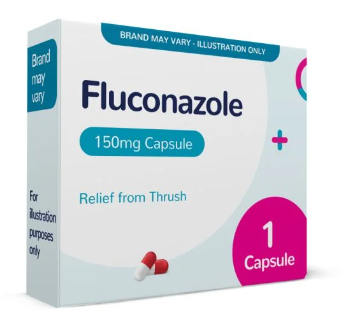
- Thrush: Yeast infections affecting the mouth or vaginal area (treated with Fluconazole).
- Nail Infections: Fungal growth under the toenails or fingernails.
- Scalp Conditions: Such as seborrheic dermatitis (treated with Ketoconazole shampoo).
Effective Treatments
Antifunals work by destroying the cell walls of the fungus or preventing them from growing:
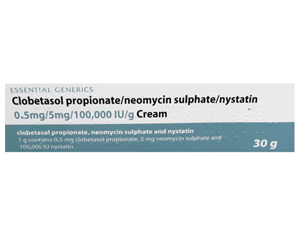
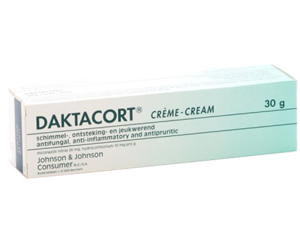
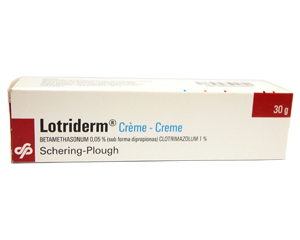
- Topical Creams: Treatments like Daktacort and Lotriderm often combine an antifungal with a mild steroid to reduce itching and inflammation while fighting the infection.
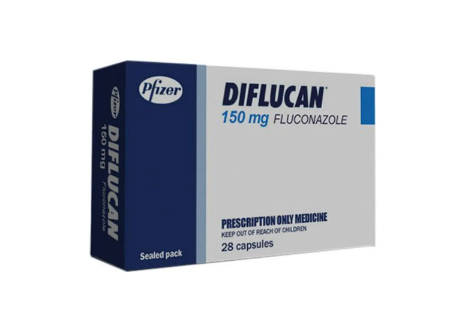
- Oral Tablets: Fluconazole (Diflucan) is a highly effective one-dose treatment for vaginal thrush.
- Medicated Shampoos: Ketoconazole shampoo is used for persistent fungal scalp issues.
Prevention and Hygiene
- Keep skin clean and dry, especially in areas like between the toes and skin folds.
- Wear breathable, natural fabrics (like cotton) and avoid tight-fitting clothing.
- Don't share personal items like towels, shoes, or hairbrushes.
- Use a fresh towel to dry affected areas and wash it at a high temperature.
Online Antifungal Consultation
If you are experiencing a persistent fungal issue, our online clinic provides a discreet way to access clinical-strength treatments. Complete a medical assessment to receive an expert review and prescription for delivery from our UK pharmacy.