Everything about Overactive Bladder
Overactive Bladder (OAB) is a common condition where the bladder muscle contracts involuntarily, even when the bladder isn't full. This leads to a sudden, strong urge to urinate that can be difficult to control, sometimes resulting in urge incontinence.
Common Symptoms of OAB
- Urgency: A sudden and compelling need to pass urine.
- Frequency: Needing to urinate many times during the day (typically more than 8).
- Nocturia: Waking up two or more times in the night to urinate.
- Urge Incontinence: Leaking urine following a sudden urge.
Available Treatments
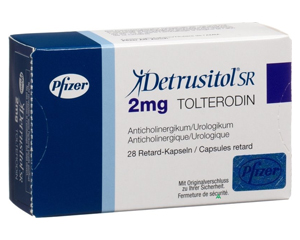
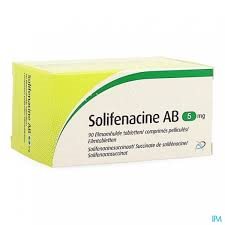
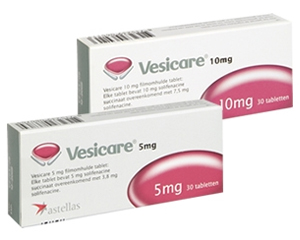
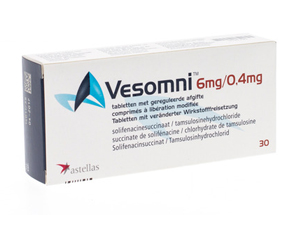
- Antimuscarinics: Medications like Solifenacin (Vesicare), Oxybutynin, and Tolterodine help relax the bladder muscle and reduce urgency.
- Mirabegron (Betmiga): A different type of medication that also helps the bladder hold more urine and reduces frequency.
- Vaginal Oestrogen: For postmenopausal women, this can sometimes help improve bladder control symptoms.
Bladder Training and Lifestyle
- Pelvic Floor Exercises: Strengthening the muscles that help control the bladder.
- Avoid Triggers: Limit caffeine, alcohol, and spicy foods, which can irritate the bladder.
- Bladder Retraining: Gradually increasing the time between bathroom visits to help the bladder hold more.
- Manage Fluid Intake: Drink enough to stay hydrated, but avoid large amounts late in the evening.
Online Medical Consultation
If your bladder symptoms are affecting your daily life, our online clinic offers a professional way to access effective relief. Complete a medical assessment for professional review and have your prescription treatments delivered discreetly from our regulated UK pharmacy.