Acid Reflux Treatment Guide
Available treatment options
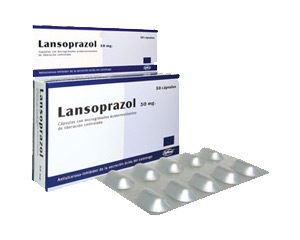
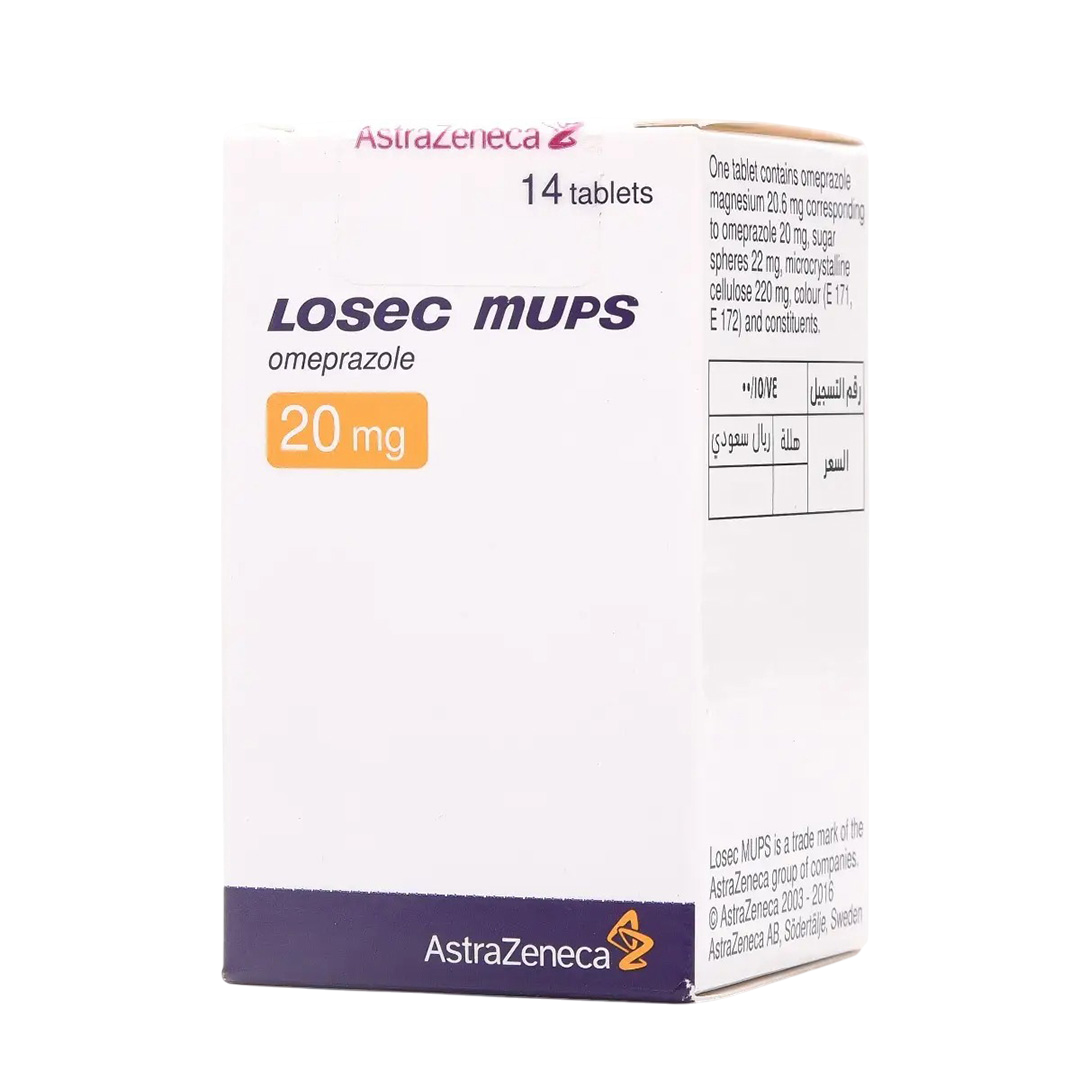
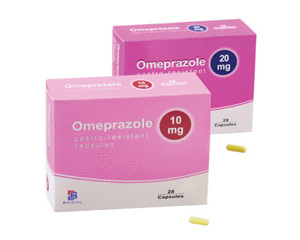
We have a fantastic, reliable toolkit for managing stomach acid. The cornerstone of treatment usually involves Proton Pump Inhibitors (PPIs). I frequently prescribe Omeprazole or Lansoprazole as an initial step, as they are highly effective at shutting down the acid-producing pumps in the stomach.
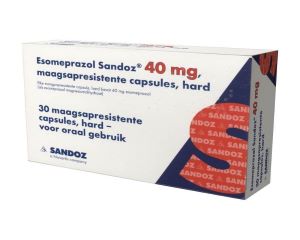
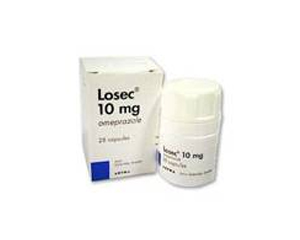
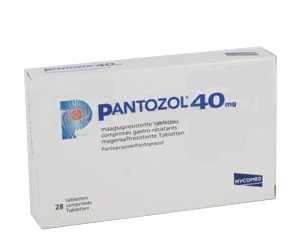
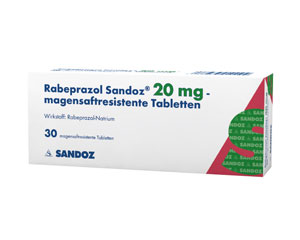
If these don't quite hit the mark, we might try Pantoprazole , Esomeprazole , or Rabeprazole . For patients who prefer branded medications, Losec and its easily dispersible tablet form Losec MUPS are excellent options, as is Zoton FasTab , which melts on the tongue—perfect for those who struggle to swallow standard capsules.
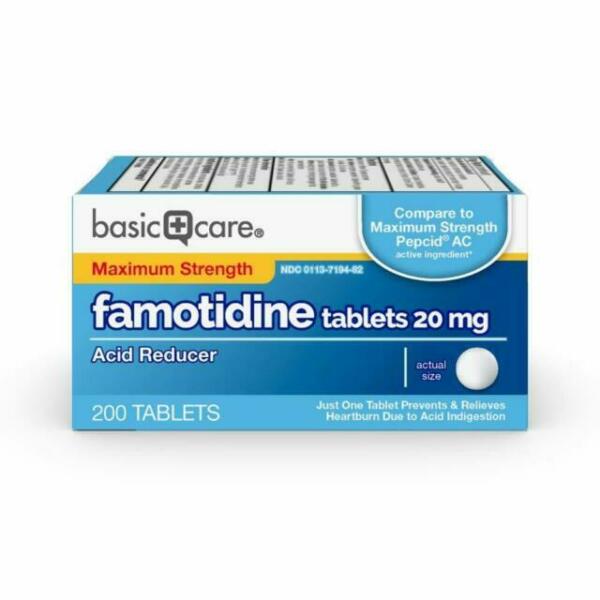
We also use H2 blockers like Famotidine . Here is a helpful insight from my practice: H2 blockers work exceptionally well for evening reflux if taken about an hour before dinner, whereas PPIs are generally most effective when taken 30 minutes before your morning breakfast.
Tailoring the medication to your specific symptom pattern is something I always strive for.
What to expect from treatment
One of the most common reasons patients tell me their medication 'isn't working' is simply a matter of timing. It is vital to understand that PPIs are not instant pain relievers.
They take about 2 to 3 days of consistent daily use to fully suppress acid production and allow your inflamed food pipe to heal. During the first few days, I advise patients to keep a standard liquid antacid on hand for immediate, breakthrough relief.
Once the PPI reaches its full effect, you should experience a dramatic reduction in heartburn, allowing you to sleep through the night and enjoy your meals without fear of the aftermath.
Self-care and prevention
Medication is only half the battle; lifestyle adjustments are equally powerful. You likely already know to avoid late-night spicy meals and heavy alcohol consumption. But a lesser-known, highly effective clinical tip relates to your sleeping position.
Sleeping on your left side is anatomically advantageous for reflux. Because of the natural curve of your stomach, lying on your left side keeps the pool of gastric acid below the sphincter valve.
Lying on your right side, conversely, positions the valve directly in the firing line of the acid pool. Combining left-sided sleeping with a proper wedge pillow—rather than simply stacking regular pillows, which just bends your neck and increases abdominal pressure—can be a game-changer for nighttime sufferers.