Acne Treatment Guide
Available treatment options
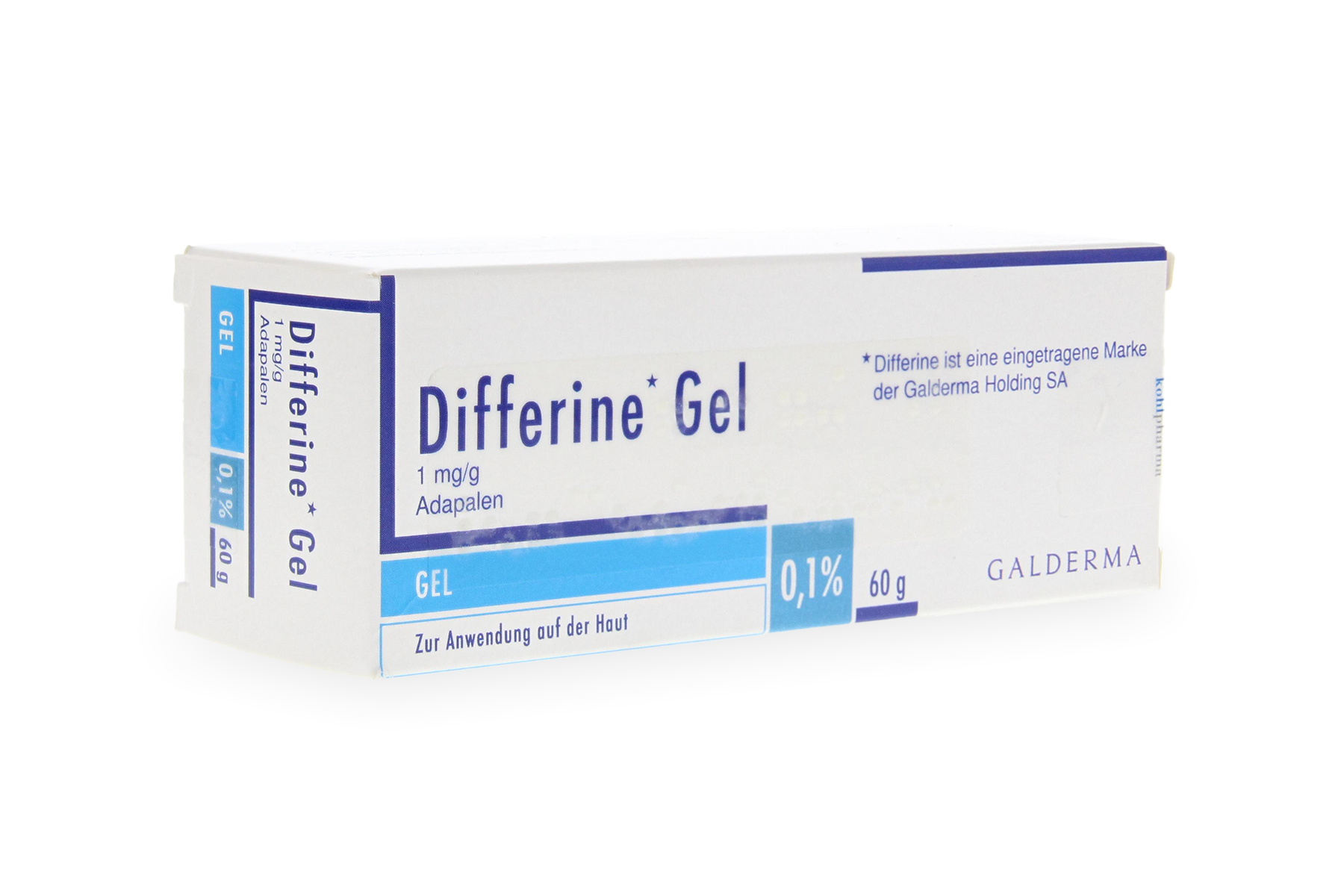
We have a fantastic range of treatments. For mild to moderate cases, I usually start with topicals. Differin (adapalene) is a brilliant topical retinoid that unblocks pores and improves skin texture.
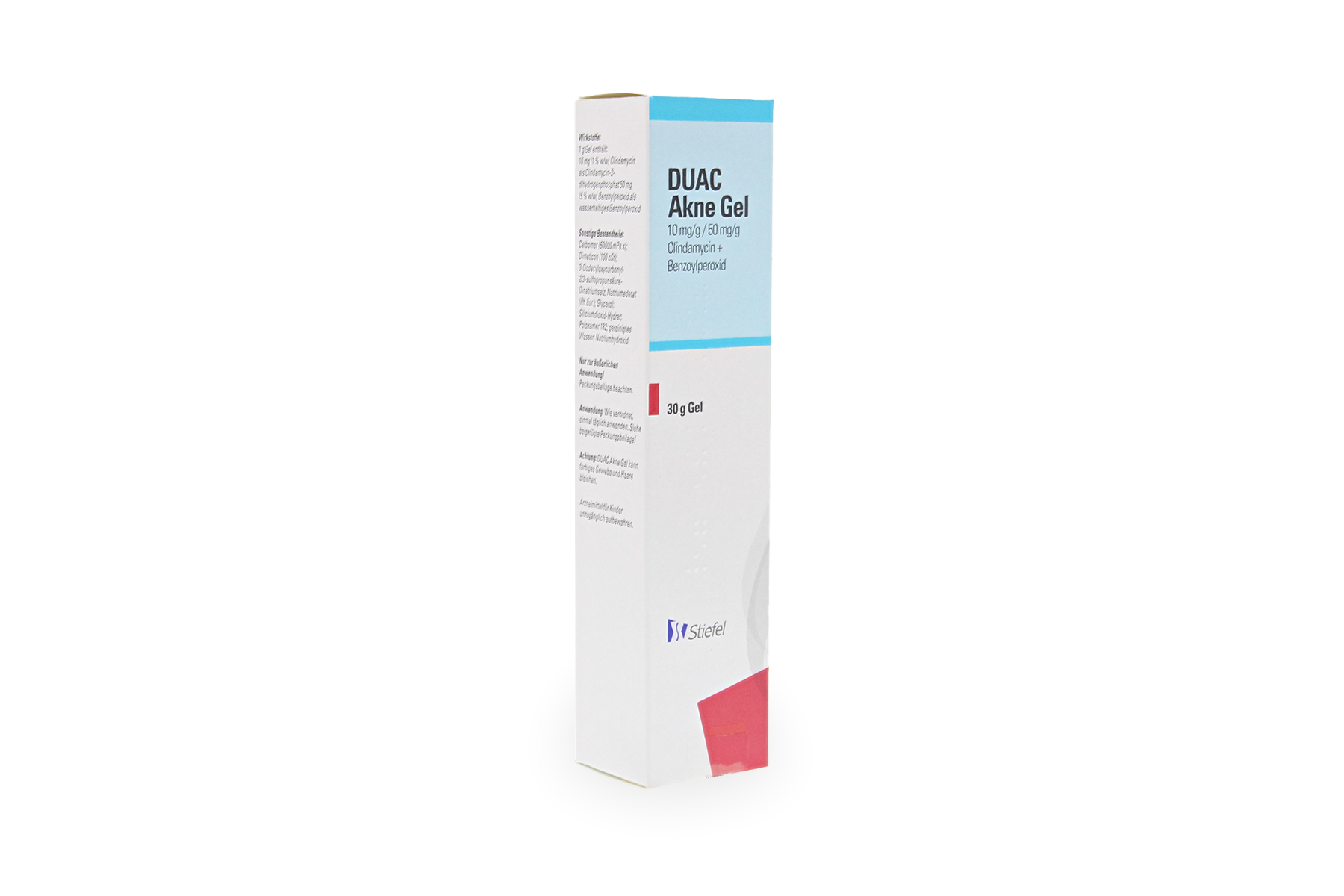
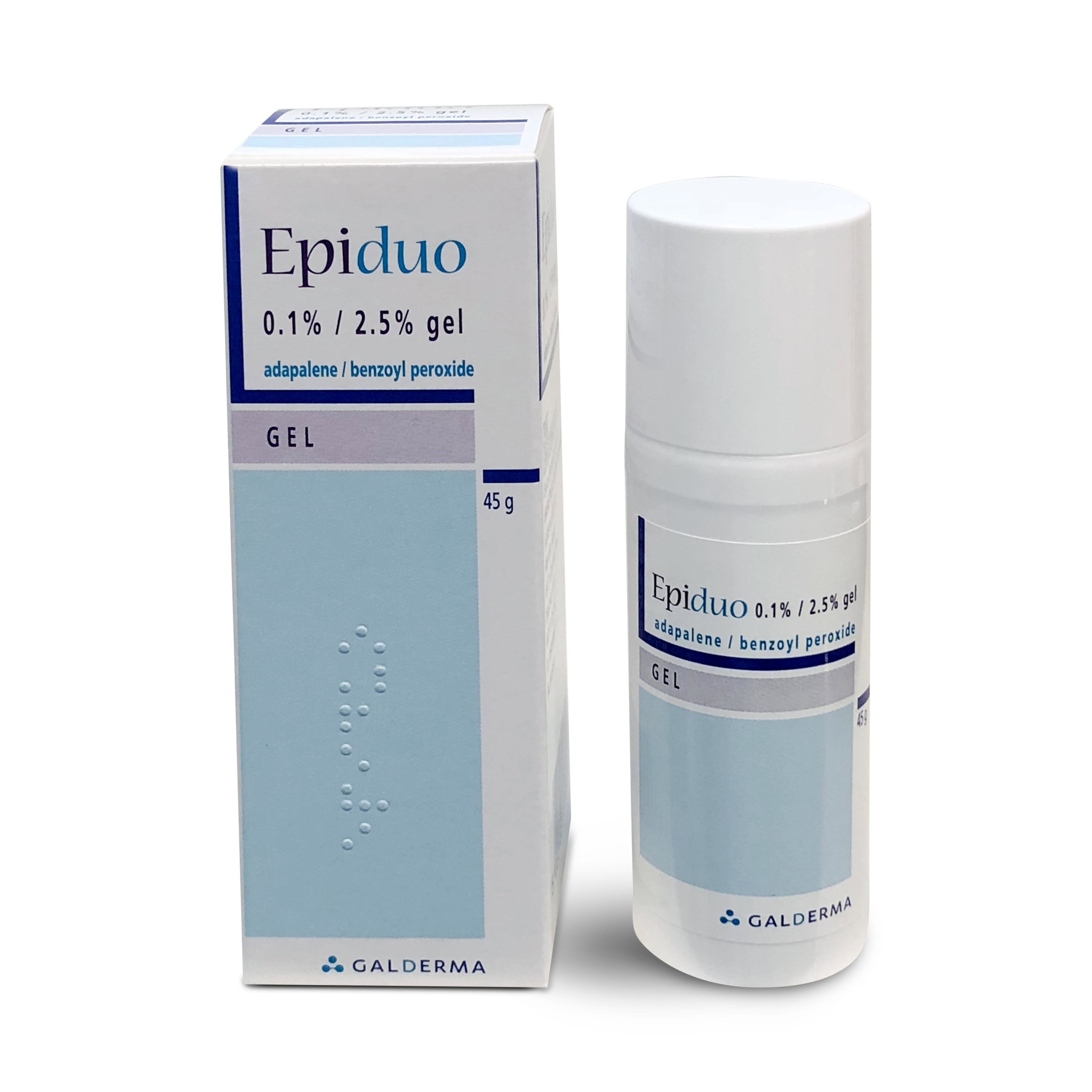
Sometimes we need a combination therapy like Duac or Epiduo Gel , which combine benzoyl peroxide with an antibiotic or retinoid to tackle both bacteria and blocked pores simultaneously.
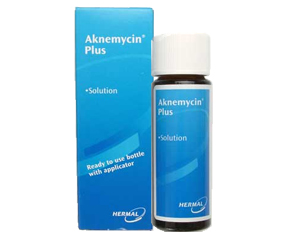
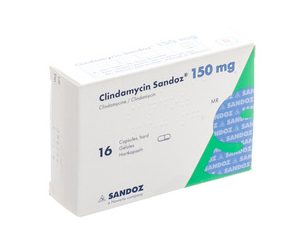
For purely antibiotic topicals, Clindamycin and Aknemycin are effective short-term options to quickly bring down localized redness and swelling.
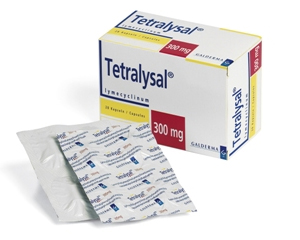
If inflammation is deeper and more widespread, oral antibiotics like Tetralysal (lymecycline) work beautifully to calm systemic inflammation from the inside out. For women with hormonally driven acne—often flaring along the jawline and neck—anti-androgen treatments are game-changers.
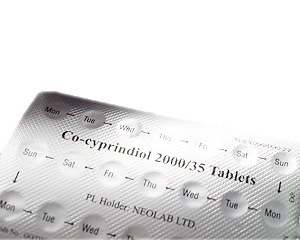
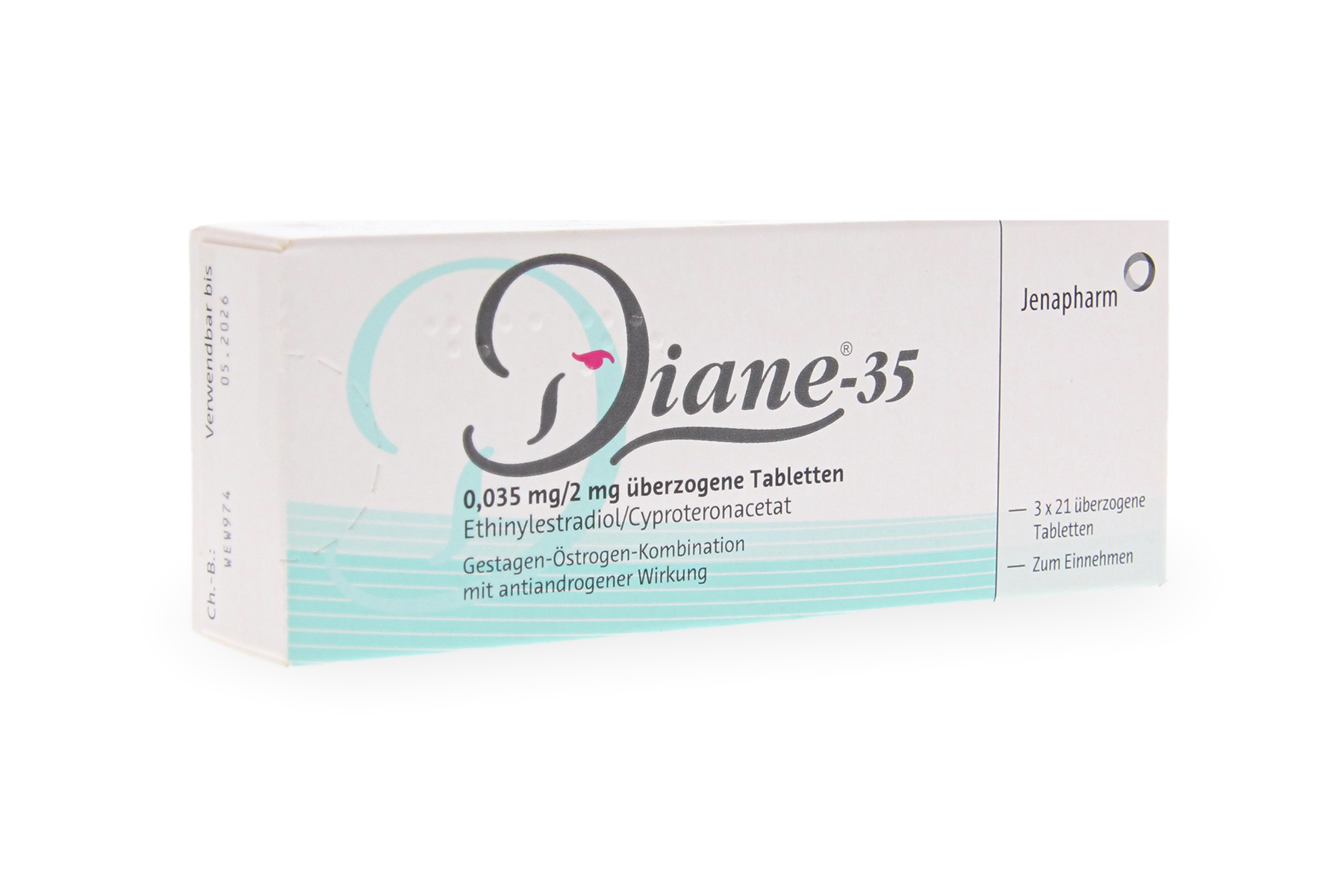
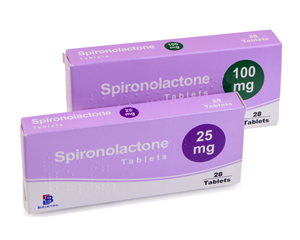
Co-cyprindiol (often known by the brand Dianette ) is a combined contraceptive pill specifically licensed for severe acne that hasn't responded to antibiotics. In specialist or private practice, we also increasingly use Spironolactone off-label; it is remarkably effective at blocking the androgen hormones that trigger excess oil production.
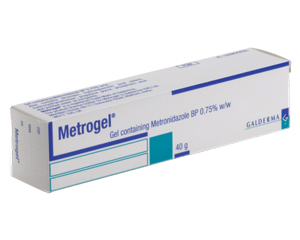
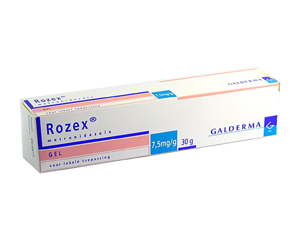
Interestingly, some patients present with what they think is stubborn adult acne, but it is actually papulopustular rosacea. In these cases, traditional acne creams can aggravate the skin, so treatments like Finacea (azelaic acid, which is also fantastic for standard acne pigmentation), Metrogel , or Rozex are much more appropriate to soothe the specific inflammatory pathways of rosacea.
What to expect from treatment
Honesty is vital here: acne treatments take time. A common reason treatments 'fail' is that patients stop using them at week three. I tell my patients to expect a 12-week trial for any new medication.
You may also experience retinization —a period of dryness, peeling, and mild 'purging' where breakouts temporarily worsen before improving. This is a sign the medication is accelerating cell turnover, not that you are allergic to it.
Stick with it, applying a simple moisturiser first to buffer the active ingredients if needed.
Self-care and prevention
The biggest mistake I see is patients treating their skin like a dirty floor that needs aggressive scrubbing. Over-cleansing strips the stratum corneum (your skin's protective barrier), causing compensatory oil production and actually worsening breakouts.
Use a gentle, non-foaming cleanser and pat the skin dry. Another clinical pearl I swear by: check your hair care routine. Heavy conditioners and styling oils often cause 'pomade acne' on the forehead and back.
Always wash your face and body as the very last step in the shower, after rinsing out your hair conditioner, to ensure no pore-clogging residue is left behind on your skin.