Navigating Acne Medications
Available treatment options
We have several excellent prescription options, and I tailor these based on the type of acne you have. For mild to moderate acne, topical treatments are my first port of call.
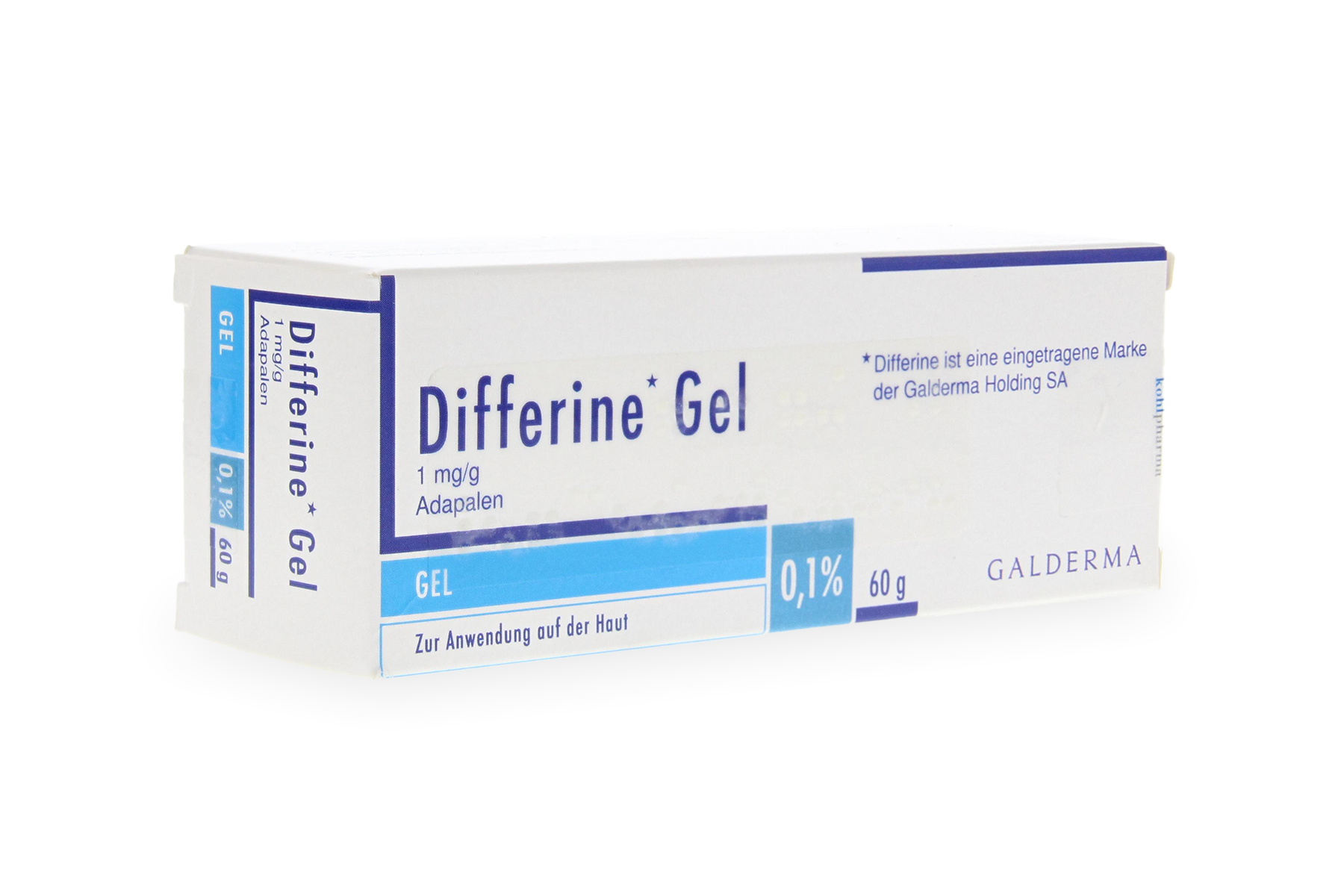
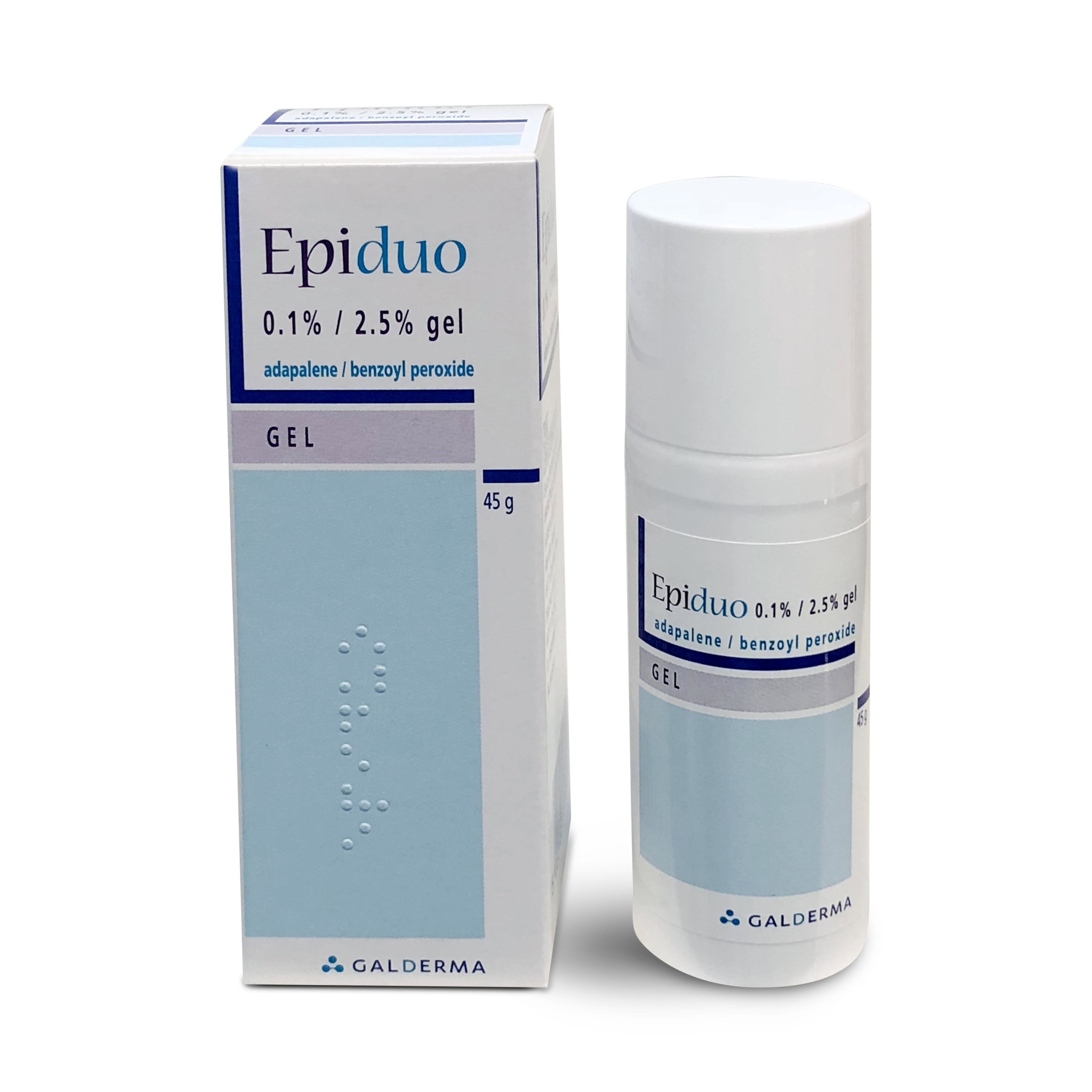
Differin (adapalene) is a fantastic retinoid that unblocks pores, while Epiduo Gel combines adapalene with benzoyl peroxide for a dual-action approach. I often prescribe Epiduo for stubborn jawline acne.
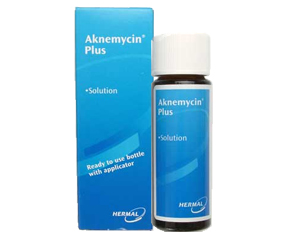
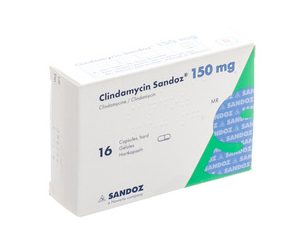
If inflammation is high, topical antibiotics like Clindamycin or Aknemycin (erythromycin) are very effective, but here is a crucial clinical pearl: never use a topical antibiotic alone for more than a few months, as your skin bacteria will become resistant.
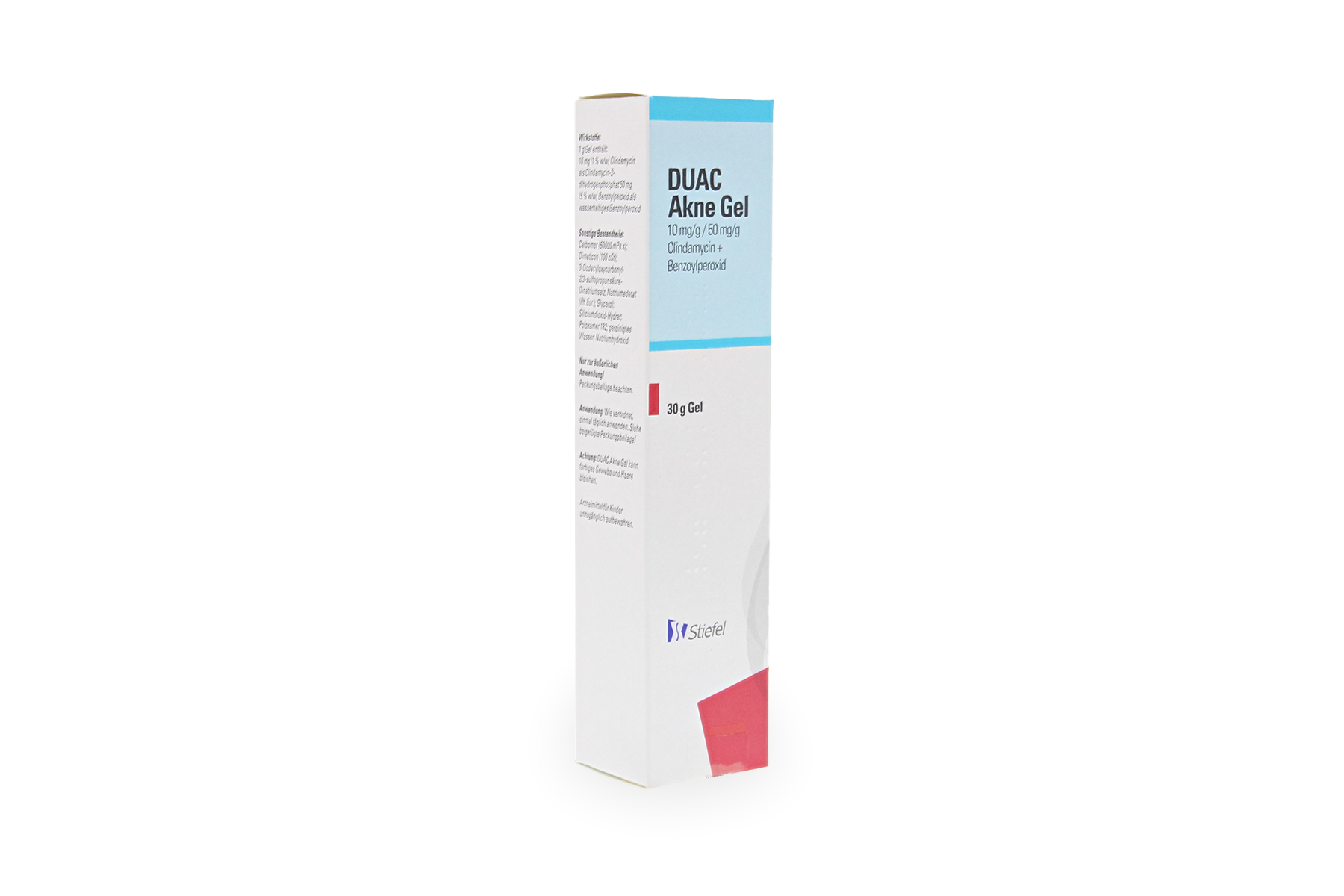
I usually recommend a combination gel like Duac , which mixes clindamycin with benzoyl peroxide to prevent this resistance. For moderate to severe acne, or acne covering the back and chest, oral antibiotics like Tetralysal (lymecycline) are my go-to, as they reduce inflammation systemically.
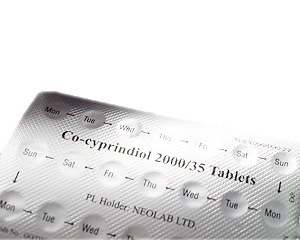
Finally, for women whose acne flares predictably with their cycle, Co-cyprindiol (often known as Dianette) is a specialized oral contraceptive that directly blocks the androgens (male hormones) driving oil production.
What to expect from treatment
Honesty is vital here: prescription acne treatments require patience. The most common reason my patients fail their treatment is that they give up at week three. I always warn my patients about "retinization" or "the purge." When you start treatments like Epiduo or Differin, your skin cell turnover accelerates, bringing underlying congestion to the surface all at once.
Your skin may look worse, red, and flaky before it looks better. This usually peaks around week four. I tell my patients to push through the "six-week wall." By week eight to twelve, the transformation is often remarkable.
If your skin gets too irritated initially, my secret is "short contact therapy"—leave the gel on for just 30 minutes and wash it off, gradually building up to overnight use as your skin adapts.
Self-care and prevention
Beyond medication, your daily routine plays a massive role. The biggest mistake I see in my clinic is patients scrubbing their skin with harsh physical exfoliants or washing their face four times a day.
This strips the skin's acid mantle , prompting your glands to panic and overproduce oil to compensate. Stick to washing twice daily with a gentle, non-foaming cleanser. Another clinical insight: check your hair care products.
"Pomade acne" around the hairline is incredibly common due to heavy conditioners and styling waxes migrating down the forehead. Lastly, always apply a non-comedogenic moisturiser, even if your skin feels oily.
Prescription treatments are drying, and a compromised skin barrier will only make inflammation worse.