Your Guide to Recovery
Available treatment options
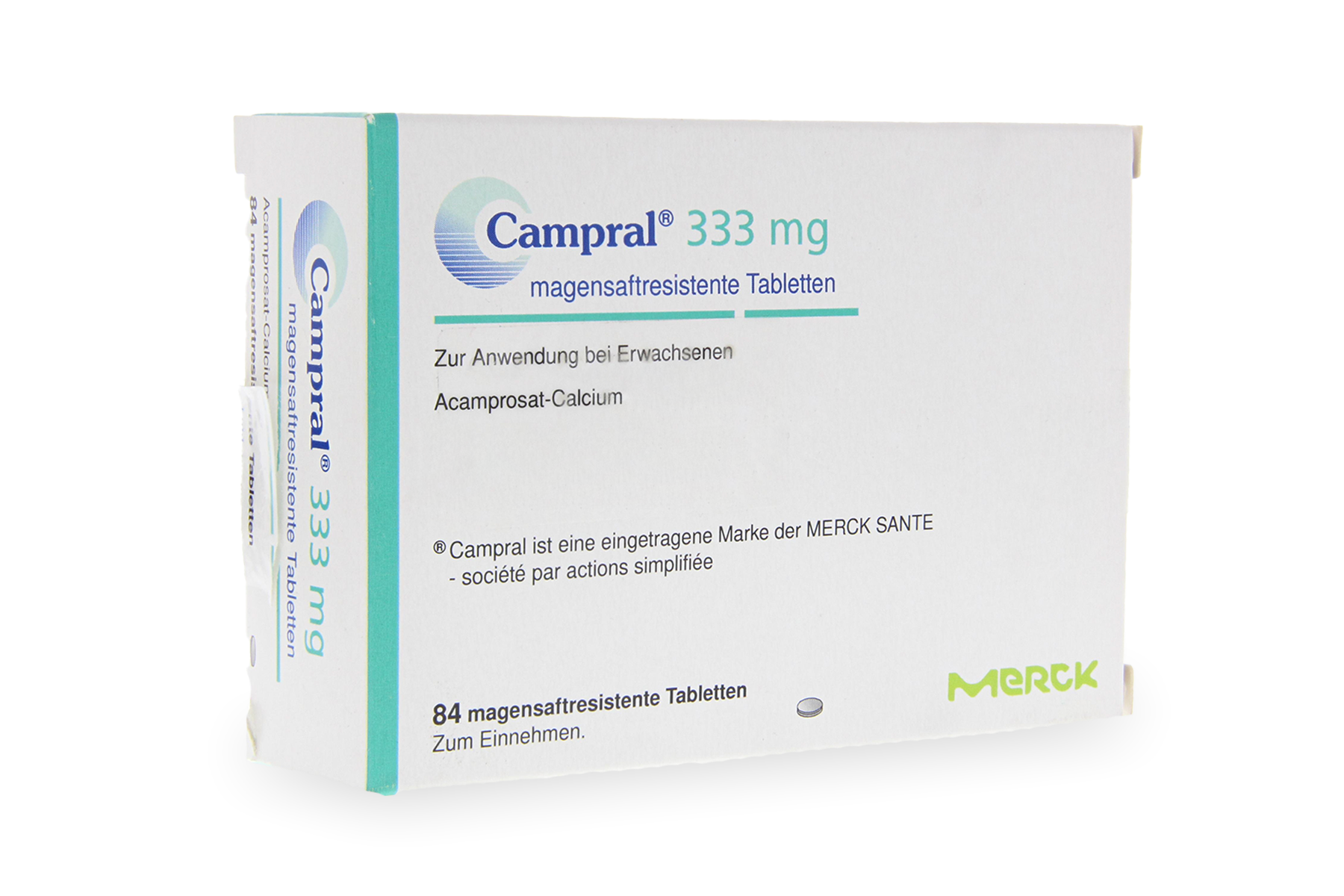
Treatment usually involves a combination of psychological support and medication. I typically recommend starting with a medically supervised detox, followed by maintenance medication to prevent relapse. Campral (acamprosate) is often my first-line maintenance choice because it helps rebalance the GABA and glutamate neurotransmitter systems in the brain.
Unlike older medications that make you violently ill if you drink, Campral simply turns down the background 'noise' of cravings. Interestingly, I find it works best when started immediately after the acute withdrawal phase, rather than waiting weeks for psychological therapies to begin.
What to expect from treatment
Medication is highly effective, but it is not a magic eraser for habits. In my experience, patients taking Campral usually notice a significant reduction in obsessive thoughts about alcohol by week three.
However, a 'slip' is incredibly common around the three-month mark. This happens because patients feel falsely 'cured' as their life improves, leading them to stop their medication prematurely.
True neural rewiring takes about six to twelve months, so expect recovery to be a marathon, not a sprint.
Self-care and prevention
Beyond the standard advice of avoiding triggers and attending support groups, physical self-care is vital for preventing relapse. I teach my patients the 'HALT' check—never get too Hungry, Angry, Lonely, or Tired—as these states rapidly trigger cravings.
Furthermore, a unique clinical observation: your sugar cravings will likely skyrocket when you stop drinking, because alcohol is densely caloric and acts on similar reward pathways. I always tell my patients to allow themselves the sweets in the first few months.
We can fix your diet later, but protecting your sobriety comes first.