GP Treatment Guide for Allergic Conjunctivitis
Available treatment options
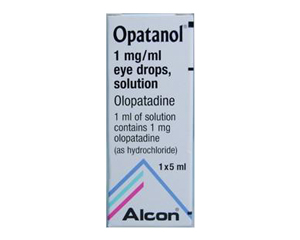
When comparing treatments, I look for speed of relief and long-term tolerability. I frequently prescribe Opatanol (olopatadine) as a first-line treatment. It acts as both an antihistamine and a mast-cell stabilizer , meaning it stops the itch immediately while preventing further histamine release.
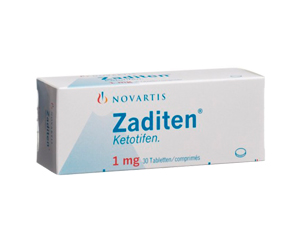
Zaditen (ketotifen) is another excellent dual-action eye drop that my patients tolerate very well, particularly those who need long-lasting relief.
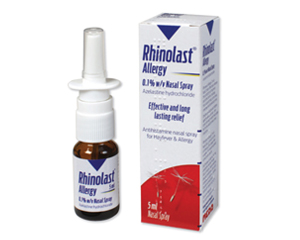
Interestingly, I often prescribe Rhinolast (azelastine), an antihistamine nasal spray, for patients with stubborn eye symptoms. This surprises some, but there is a well-documented naso-ocular reflex . By aggressively reducing inflammation in your nasal passages, you can significantly calm the reflex tearing and itching in your eyes.
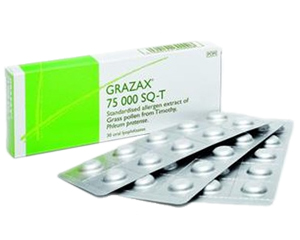
For patients whose lives are completely derailed by summer allergies despite drops and sprays, I discuss Grazax . This is a daily under-the-tongue immunotherapy tablet that actually retrains your immune system to tolerate grass pollen.
It is not a quick fix, but it is the closest thing we have to a cure.
What to expect from treatment
If we use targeted eye drops like Opatanol or Zaditen, you should expect the intense itching to subside within minutes, though the redness may take a few days of consistent use to fully resolve.
Immunotherapy like Grazax requires patience; you need to start it months before the pollen season, and the true benefits are often seen in the second year of treatment.
A common complaint I hear is that medicated eye drops sting upon application. My favorite clinical pearl for this: store your eye drops in the refrigerator. The cool liquid physically constricts the dilated, angry blood vessels in your eyes, reducing redness faster, and the cold sensation is incredibly soothing on inflamed tissues.
Self-care and prevention
Medication is only half the battle. Physical barriers are highly effective; I strongly recommend wearing wraparound sunglasses when outdoors to physically block pollen from blowing into your eyes.
Another crucial insight from my practice relates to nighttime suffering. Many patients wake up with crusted, swollen eyes. This happens because pollen acts like microscopic Velcro, clinging to your hair throughout the day.
If you do not wash your hair before bed, you transfer that pollen directly onto your pillowcase, effectively rubbing it into your eyes for eight hours. A quick evening shower can dramatically improve your morning symptoms.