A Doctor's Guide to Managing Allergic Rhinitis
Available treatment options
We have a fantastic arsenal of medications available, and I tailor my prescriptions based on the severity and type of symptoms.
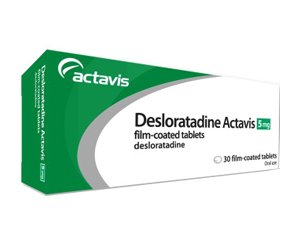
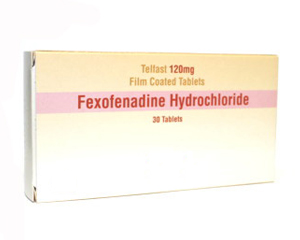
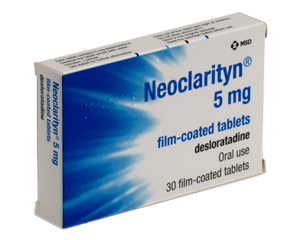
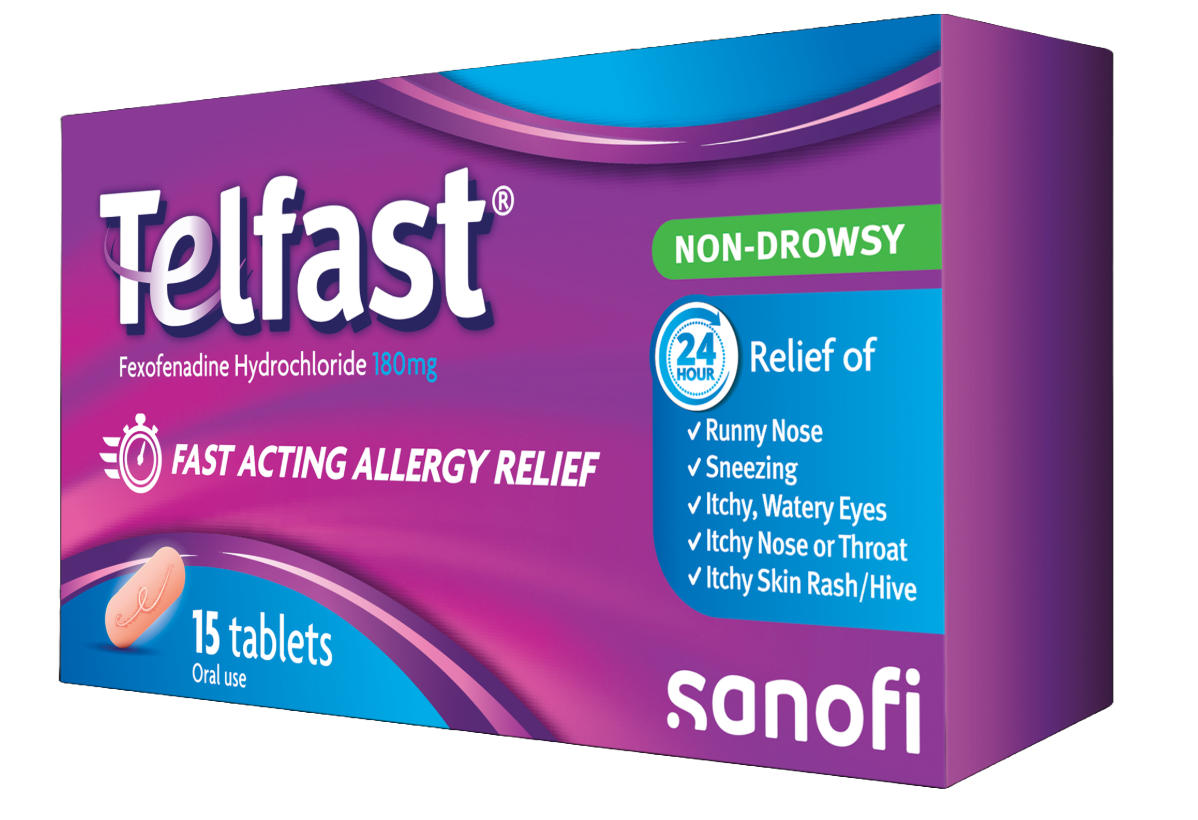
For daily symptom control without drowsiness, second-generation antihistamines are my go-to. I frequently recommend Fexofenadine (also known by the brand name Telfast ) or Desloratadine (brand name Neoclarityn ).
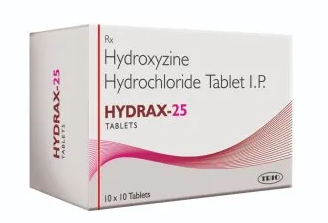
These are excellent at stopping the systemic histamine response. Conversely, older, first-generation antihistamines like Hydroxyzine and Phenergan are highly sedating. I rarely prescribe them for daytime use, but they can be occasionally useful if severe itching is preventing you from sleeping.
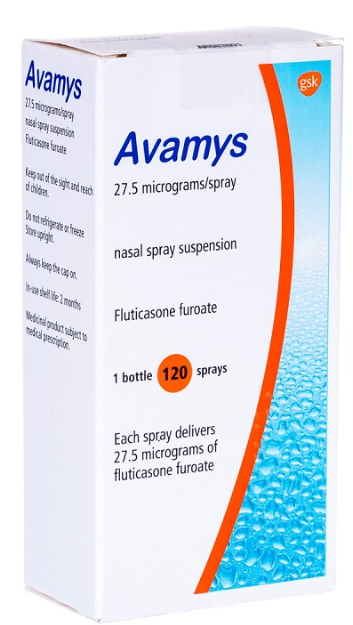
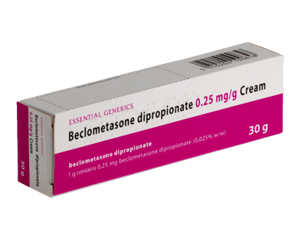
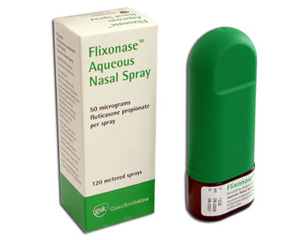
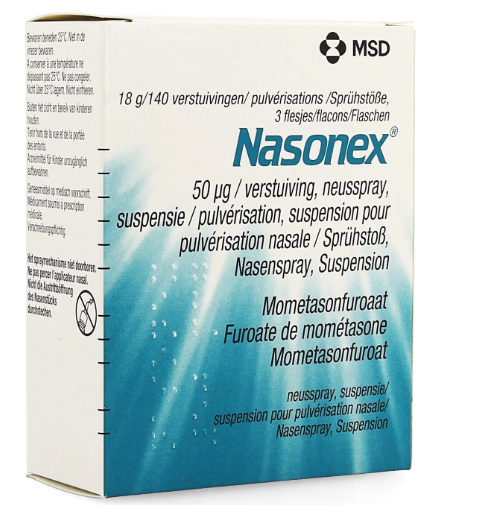
If your main symptom is a blocked nose, tablets alone won't cut it. You need a topical corticosteroid spray. Beclometasone is a reliable, standard option, but for more persistent inflammation, I prefer newer formulations like Avamys , Flixonase , or Nasonex Nasal Spray .
They have minimal absorption into the rest of the body.
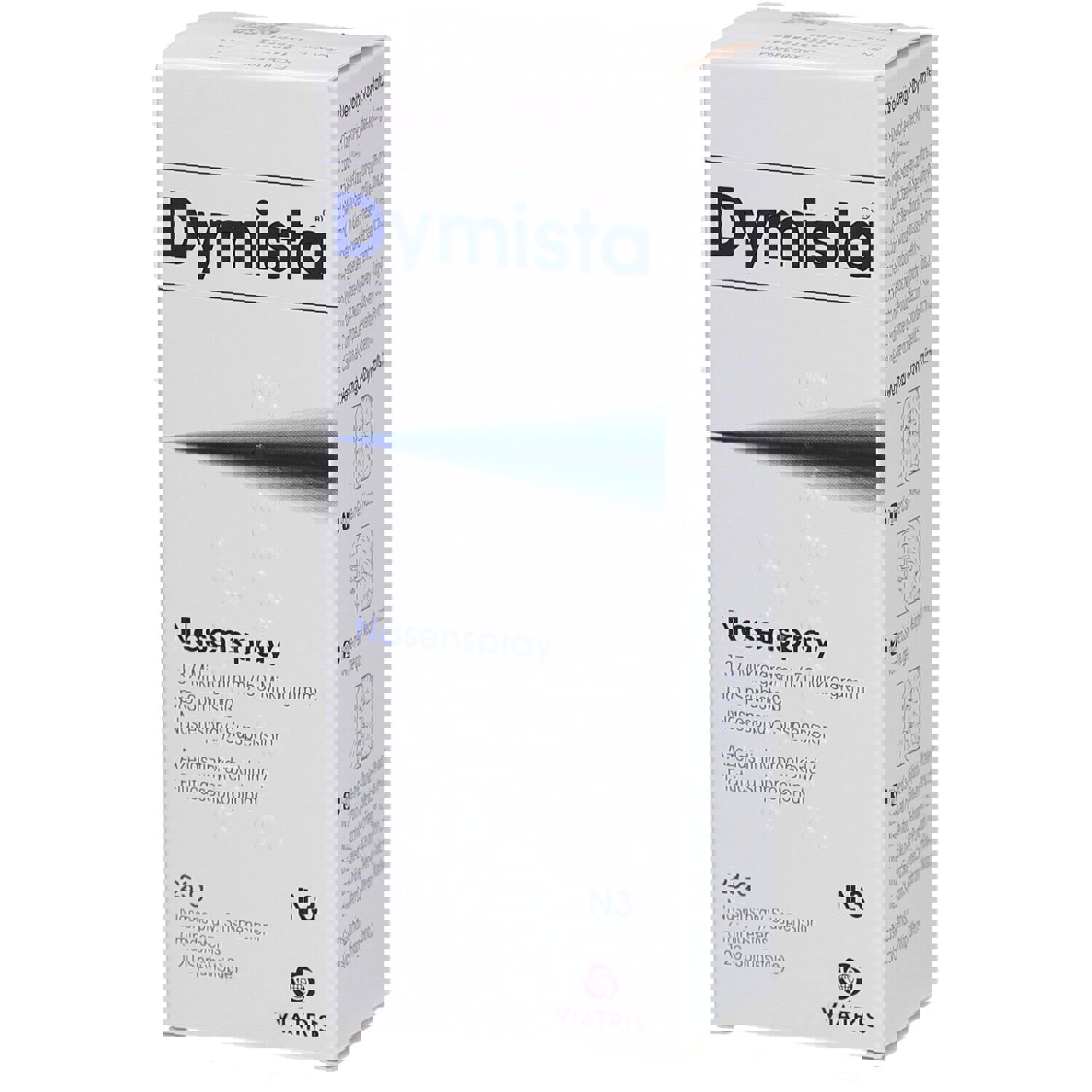
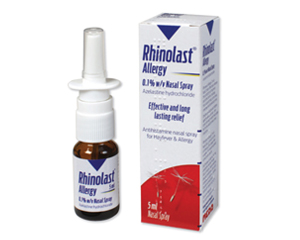
For severe, stubborn symptoms, combination therapies are game-changers. Dymista combines a steroid with an antihistamine directly in the nasal spray, providing rapid and powerful relief. Alternatively, a standalone antihistamine spray like Rhinolast can be used for quick localized relief.
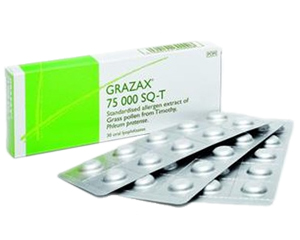
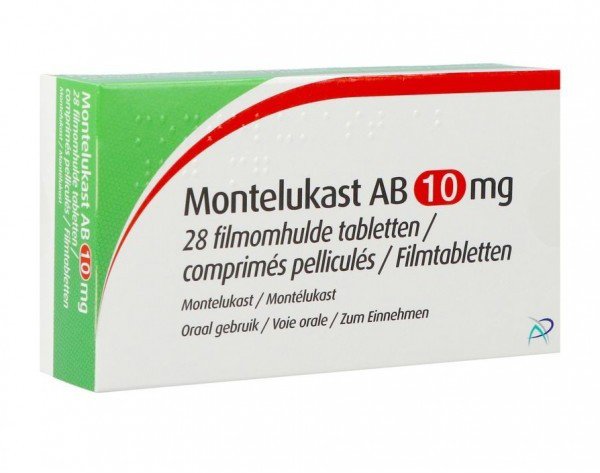
If you also suffer from asthma alongside your allergies, I might prescribe Montelukast , a tablet that blocks leukotrienes (another inflammatory chemical). Finally, for long-term disease modification in severe grass pollen allergy, we have Grazax , an immunotherapy tablet that gradually desensitizes your immune system over time.
What to expect from treatment
Setting realistic expectations is vital. Antihistamine tablets work within an hour or two to stop itching and sneezing. However, steroid nasal sprays take time to build up in your tissues—often up to 14 days for maximum effect.
You must use them every single day, not just when you feel bad.
Here is another crucial clinical pearl: 90% of my patients use nasal sprays incorrectly. If you tilt your head back, sniff hard, and taste the medicine in your throat, you are doing it wrong.
The medication is going straight past your nasal lining and into your stomach. Look down at your toes, aim the nozzle slightly outward toward your ear (away from the center septum to avoid nosebleeds), and breathe in gently.
Self-care and prevention
Medication is only half the battle; allergen avoidance is the other. Simple physical barriers work wonders. Smearing a little petroleum jelly around the rim of your nostrils traps pollen before it enters your airway.
I also strongly advise patients to wash their hair before getting into bed—otherwise, you are rubbing pollen into your pillow and rolling around in it all night.
Finally, never dry your clothes or bedsheets outside on high pollen days. They act like giant nets, catching allergens that you will later wear directly against your skin and breathing passages.