A Doctor's Guide to Managing Allergies
Available treatment options
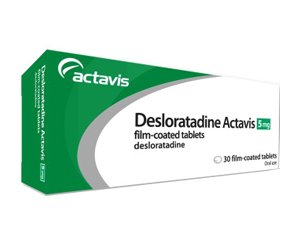
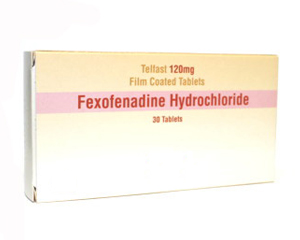
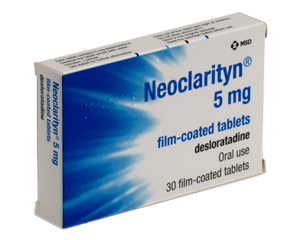
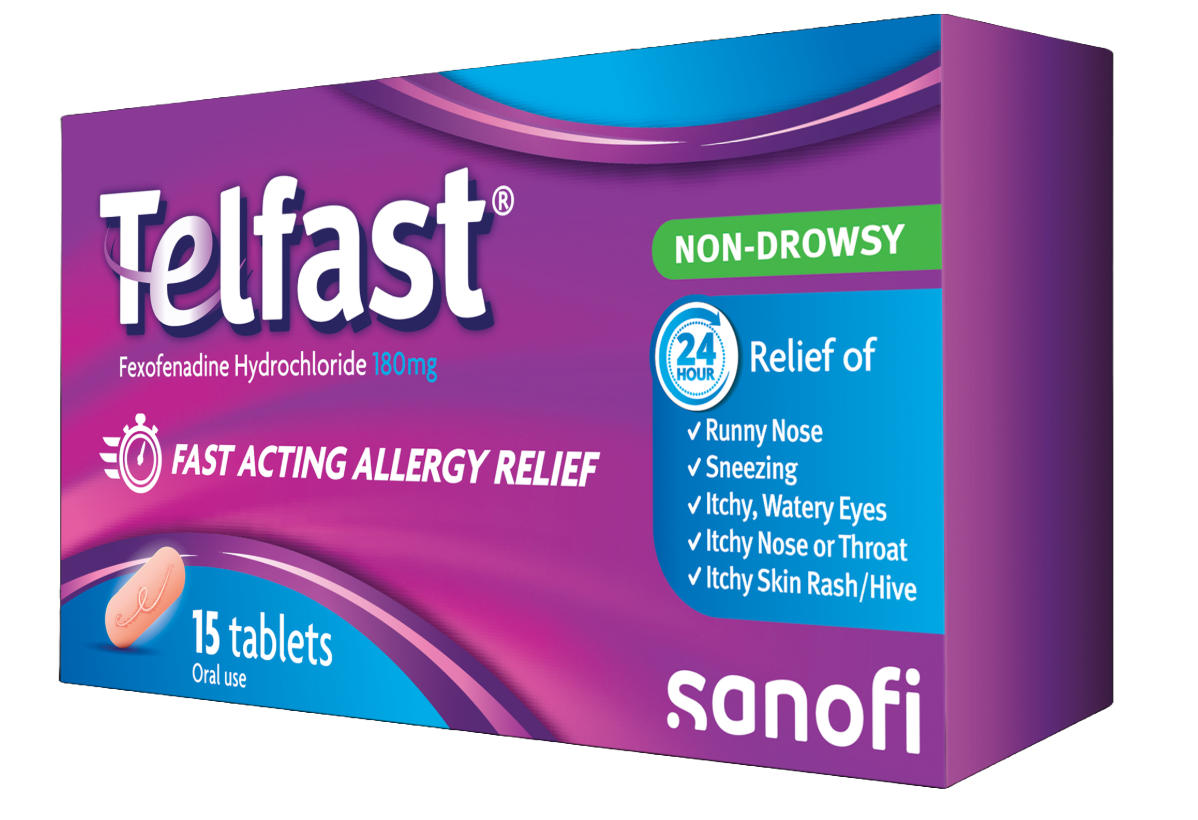
We are fortunate to have a wide arsenal of treatments, and my approach is usually to 'layer' them based on your specific symptoms. For daily, non-drowsy relief, I often recommend second-generation antihistamines like Desloratadine (also known by its brand name Neoclarityn ), or Fexofenadine (often recognised as Telfast ).
These are excellent for systemic symptoms like itching and sneezing without the heavy sedation of older medications.
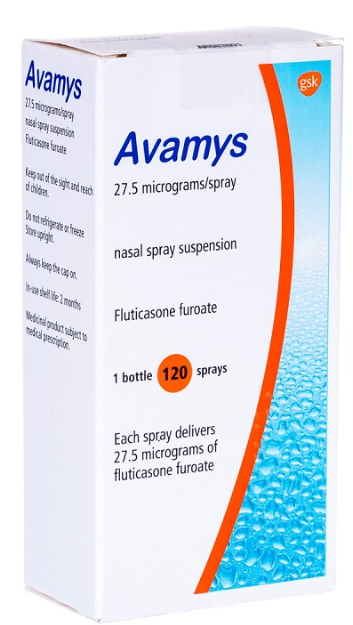
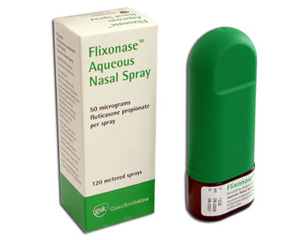
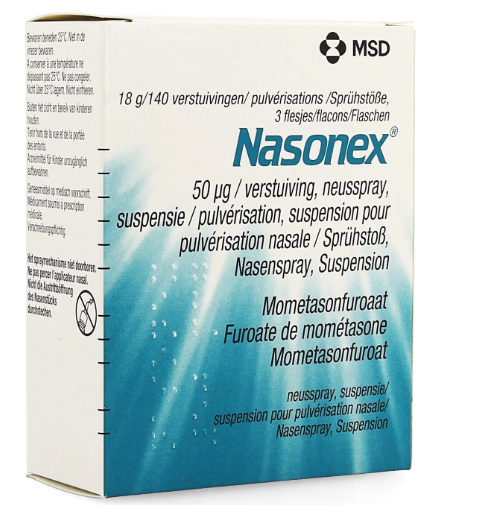
If your primary battleground is your nose, steroid nasal sprays are the gold standard. Avamys , Flixonase , and Nasonex Nasal Spray work beautifully to reduce local inflammation.
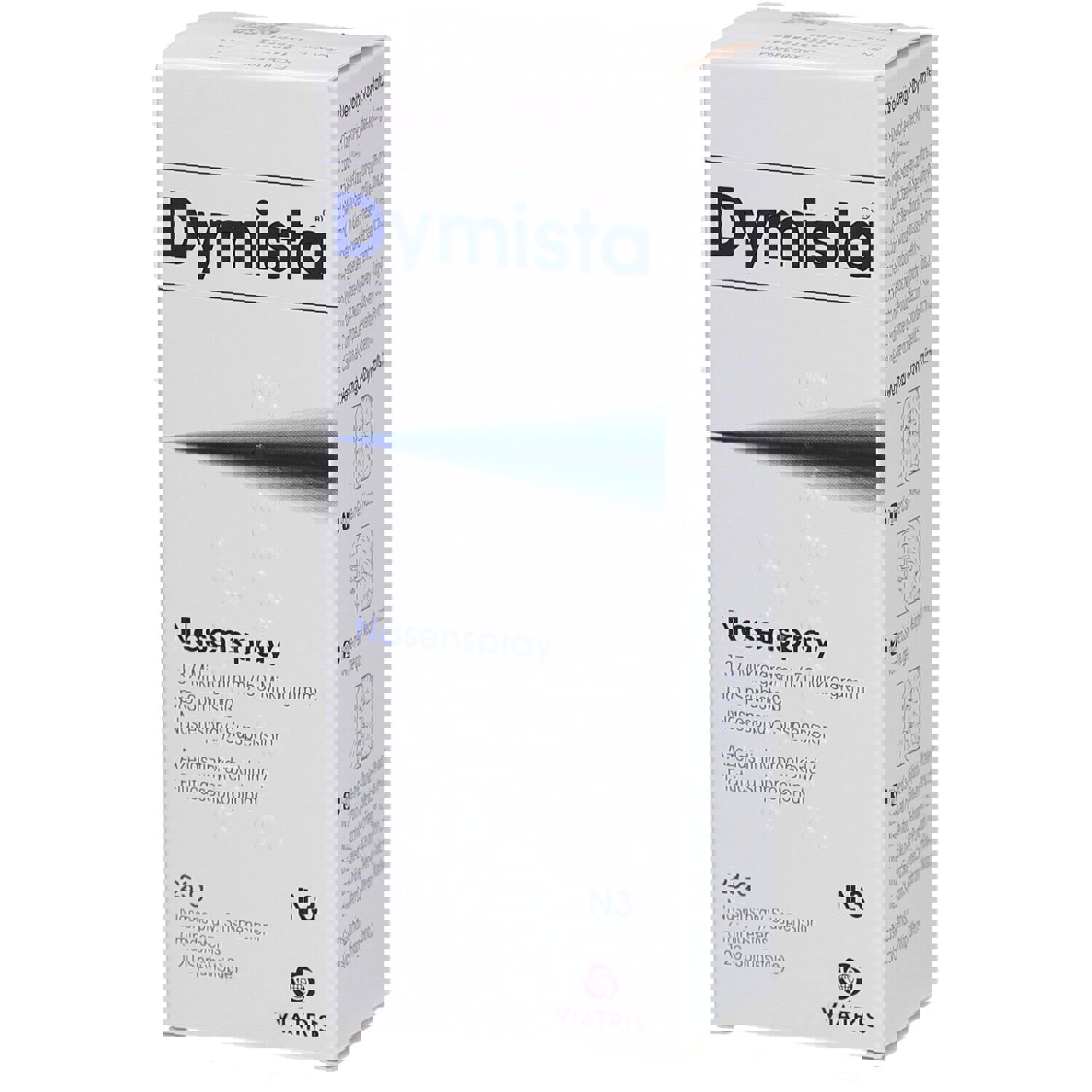
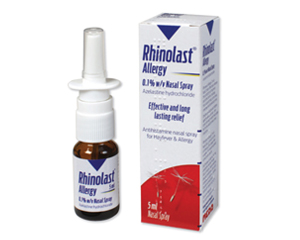
For patients needing rapid relief combined with potent anti-inflammatory action, I frequently prescribe Dymista —a brilliant combination spray containing both an antihistamine and a steroid. Alternatively, Rhinolast offers an antihistamine-only nasal spray option for those who prefer to avoid steroids.
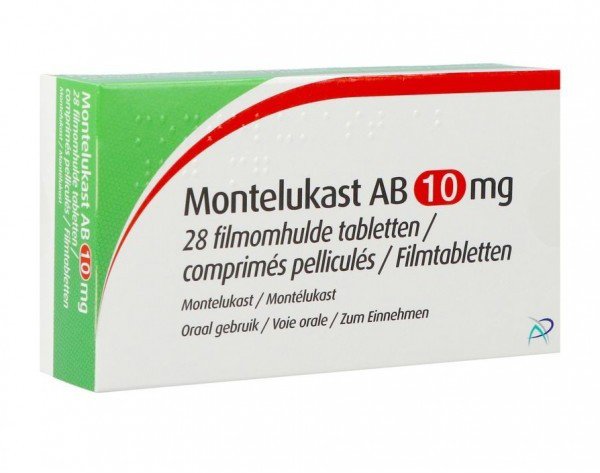
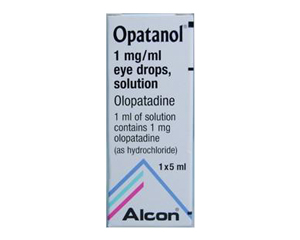
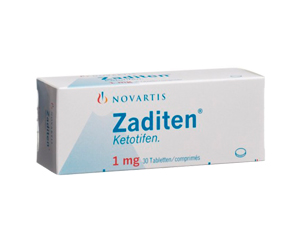
For itchy, watery eyes, drops like Opatanol or Zaditen provide targeted relief right where you need it. In cases where allergies trigger asthma-like symptoms or severe night-time coughing, Montelukast can be a game-changer by blocking leukotrienes, a completely different inflammatory pathway.
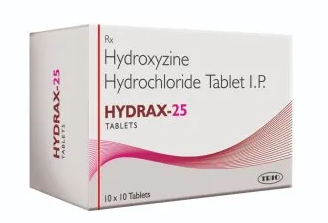
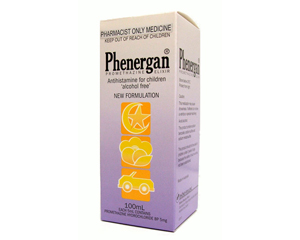
Occasionally, we use older, sedating antihistamines like Phenergan or Hydroxyzine for short-term use, particularly if severe itching is preventing sleep, though I rarely recommend these for daytime use.
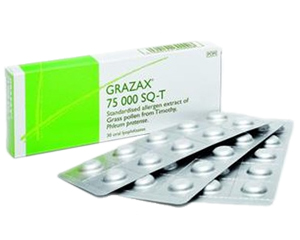
Finally, for severe grass pollen allergies, Grazax offers an innovative immunotherapy approach—a daily tablet that slowly desensitises your immune system over several years, tackling the root cause rather than just the symptoms.
What to expect from treatment
A crucial clinical truth I share with every patient: nasal sprays often fail not because the drug does not work, but because of poor technique. If you taste the spray in the back of your throat, you are swallowing the medicine, not absorbing it in your nose.
You must look down at your toes, and point the nozzle slightly outward towards your ear, away from the middle septum. This prevents nosebleeds and ensures the medication hits the inflamed turbinates .
With antihistamine tablets, you should feel relief within an hour. However, steroid nasal sprays require patience. They need to be used daily, and it can take up to two weeks to see the full benefit.
Many of my patients stop using them after three days thinking they are ineffective, but consistency is the absolute secret to success here.
Self-care and prevention
Medication is only half the battle; environmental control is the other. A simple but highly effective habit I teach my patients is the 'pollen wash'. During hay fever season, your hair acts like a pollen trap.
If you do not wash your hair before bed, you are essentially rubbing pollen into your pillow and breathing it in for eight hours. A quick evening shower can drastically improve your sleep quality.
For dust mite allergies, do not just focus on the mattress. Wash your pillows and duvets at 60 degrees Celsius regularly, as dust mites thrive in the humidity we create while sleeping.
Finally, consider using a simple saline nasal rinse before applying your medicated nasal sprays. Washing away the mucus and trapped allergens first allows your prescription medication to actually reach the nasal lining where it can do its job.