Alzheimer's Treatment Guide
Available treatment options
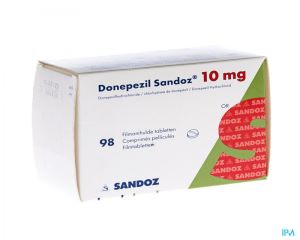
When we discuss medications, managing expectations is paramount. We have four main licensed treatments. Donepezil is usually my first-line recommendation because it is a simple, once-daily tablet that boosts a chemical messenger in the brain.
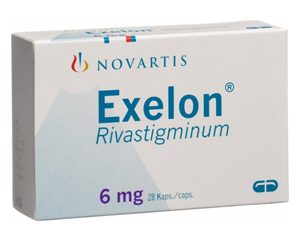
However, for patients who develop an aversion to swallowing pills—a frequent hurdle as dementia progresses—the Exelon (rivastigmine) patch is an absolute game-changer, delivering medication steadily through the skin.
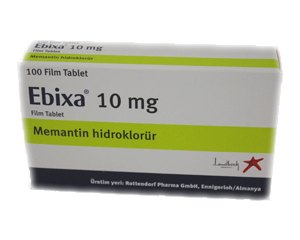
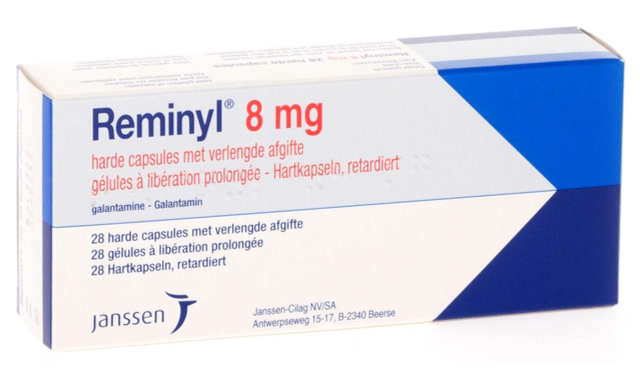
Reminyl (galantamine) is another excellent daily alternative. Finally, there is Ebixa (memantine). Unlike the others, Ebixa works by shielding brain cells from excessive electrical signals. I typically introduce this in the moderate to severe stages, often alongside Donepezil, to help calm distressing confusion and agitation.
What to expect from treatment
I am always completely honest with my patients: these medications do not reverse the disease. Instead, I describe them as "turning back the clock" by about six months and holding the hands there for a while.
A lack of rapid decline is actually a treatment success. When starting these drugs, gastrointestinal side effects like nausea or loose stools are common in the first two weeks.
A practical clinical pearl I share is to always take these specific medications with a substantial meal, not just a biscuit, which drastically reduces the nausea.
Self-care and prevention
Medication is only half the prescription. In dementia care, routine is medicine. Keeping the environment predictable and reducing unnecessary choices lowers anxiety immensely. Furthermore, my most important advice is often directed at the loved ones: you must look after the carer.
In my years of practice, carer burnout is the number one reason patients end up being admitted to nursing homes prematurely. Accept help, utilize day centres, and remember that preserving your own health is the best way to care for someone with Alzheimer's.