Medical Treatments for Anal Fissures
Available treatment options
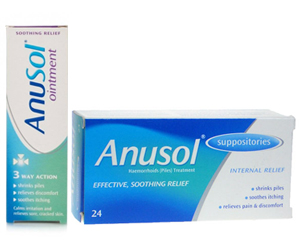
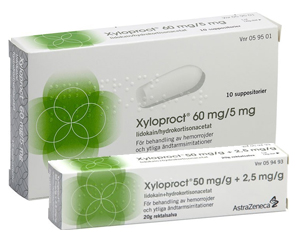
When it comes to prescribing, we have several excellent topical options. For a relatively fresh, highly inflamed tear, I often recommend a short course of Anusol HC or Xyloproct .
These contain mild steroids to rapidly reduce swelling and local anesthetics to numb the sharp, stinging pain. Anusol HC and Xyloproct are fantastic for immediate symptom relief, but they shouldn't be used for longer than a week or two, as prolonged steroid use can thin the local skin.
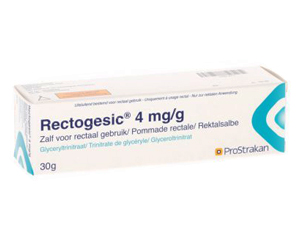
However, if the fissure has been troubling you for several weeks, it has likely become chronic. In these cases, Rectogesic is my first-line recommendation. It contains a medication that actively relaxes the anal sphincter, stopping the spasm and restoring the blood flow necessary for permanent, deep tissue repair.
What to expect from treatment
Healing a fissure is rarely a perfectly linear journey; you might have four good days followed by one bad day if a slightly harder stool passes. A very common side effect I warn my patients about with Rectogesic is the "GTN headache," caused by the medication dilating blood vessels in your head as well as your pelvis.
Applying the ointment while lying down before bed can significantly reduce this. The most important clinical pearl I can share is this: do not stop using your ointment the moment the pain stops.
The new skin is microscopic and incredibly fragile. Continue your treatment for a full two weeks after you feel completely better to prevent an immediate relapse.
Self-care and prevention
Medication alone won't fix the underlying mechanical issue. While everyone knows to drink more water and eat fiber, my top preventative advice is to change your toilet posture.
Humans were designed to squat. Placing a small footstool under your feet while on the toilet lifts your knees above your hips. This naturally straightens the lower bowel and relaxes the pelvic floor, drastically reducing the strain on the anal canal.
Furthermore, make the bathroom a phone-free zone. Sitting on the toilet for prolonged periods reading or scrolling puts sustained, downward pressure on the pelvic floor, which encourages both fissures and hemorrhoids to develop.