Angina Treatment Guide
Available treatment options
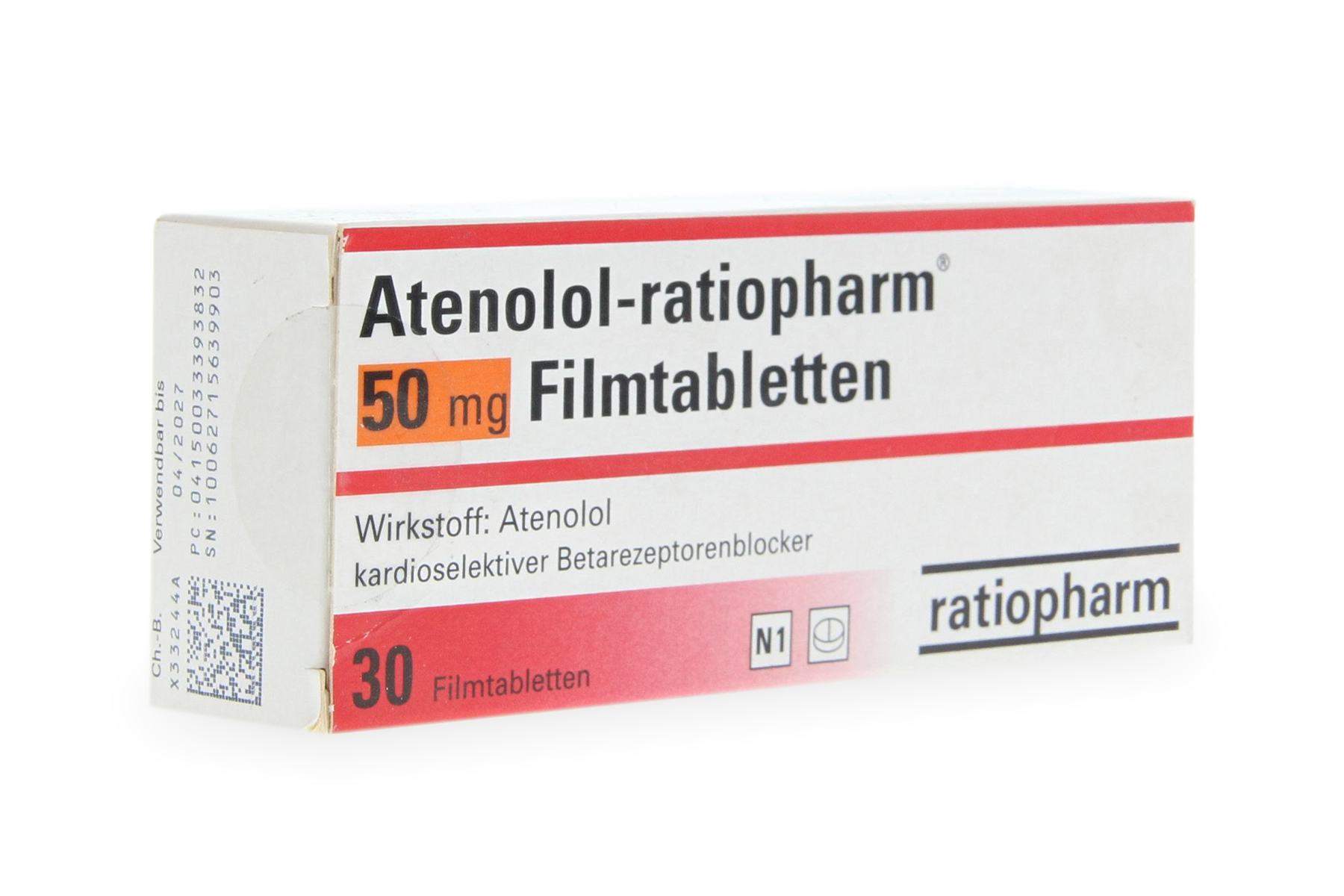
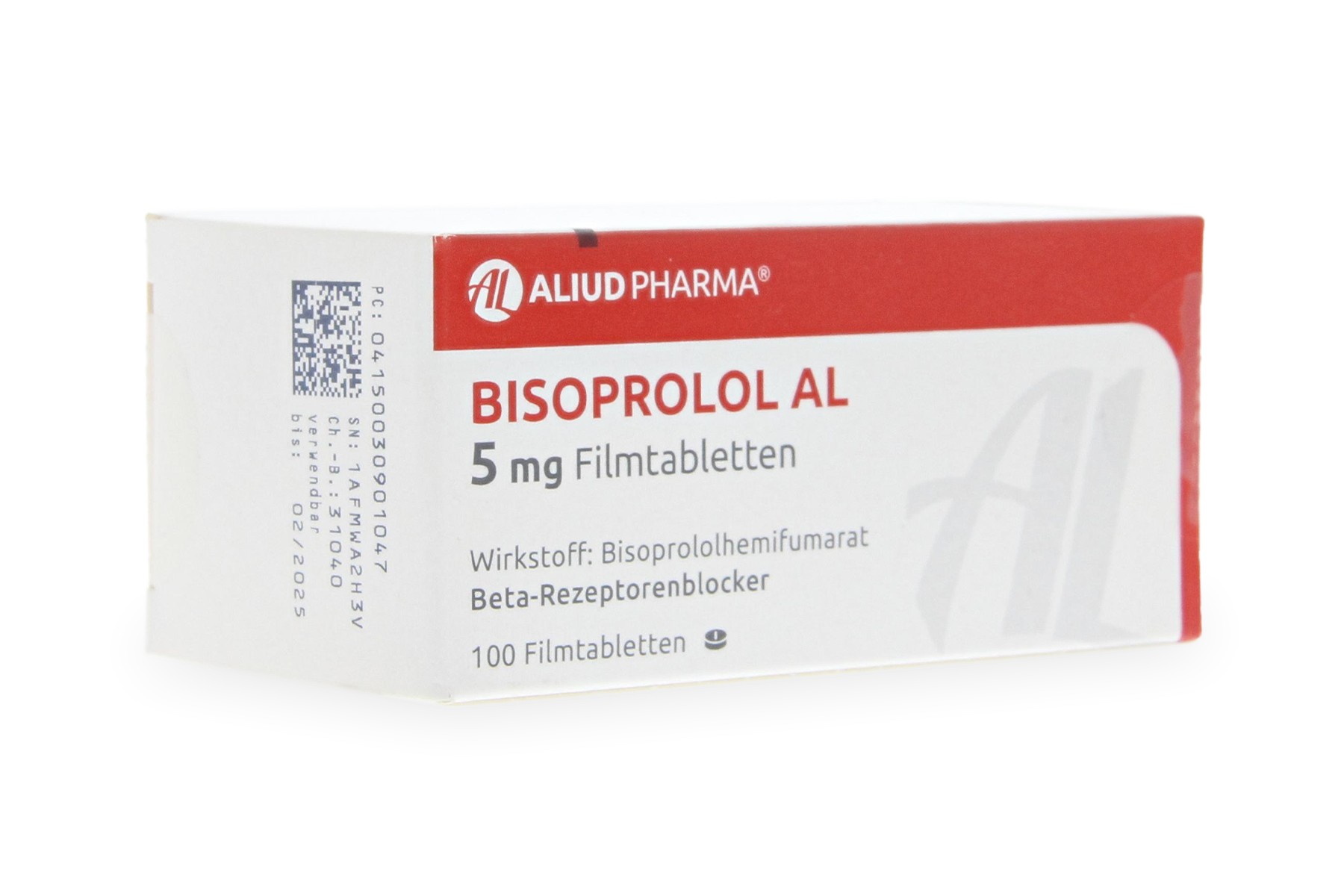
Our primary goal with daily medication is to reduce the heart's workload and open up the blood vessels. I typically start patients on a beta-blocker like Bisoprolol or Atenolol .
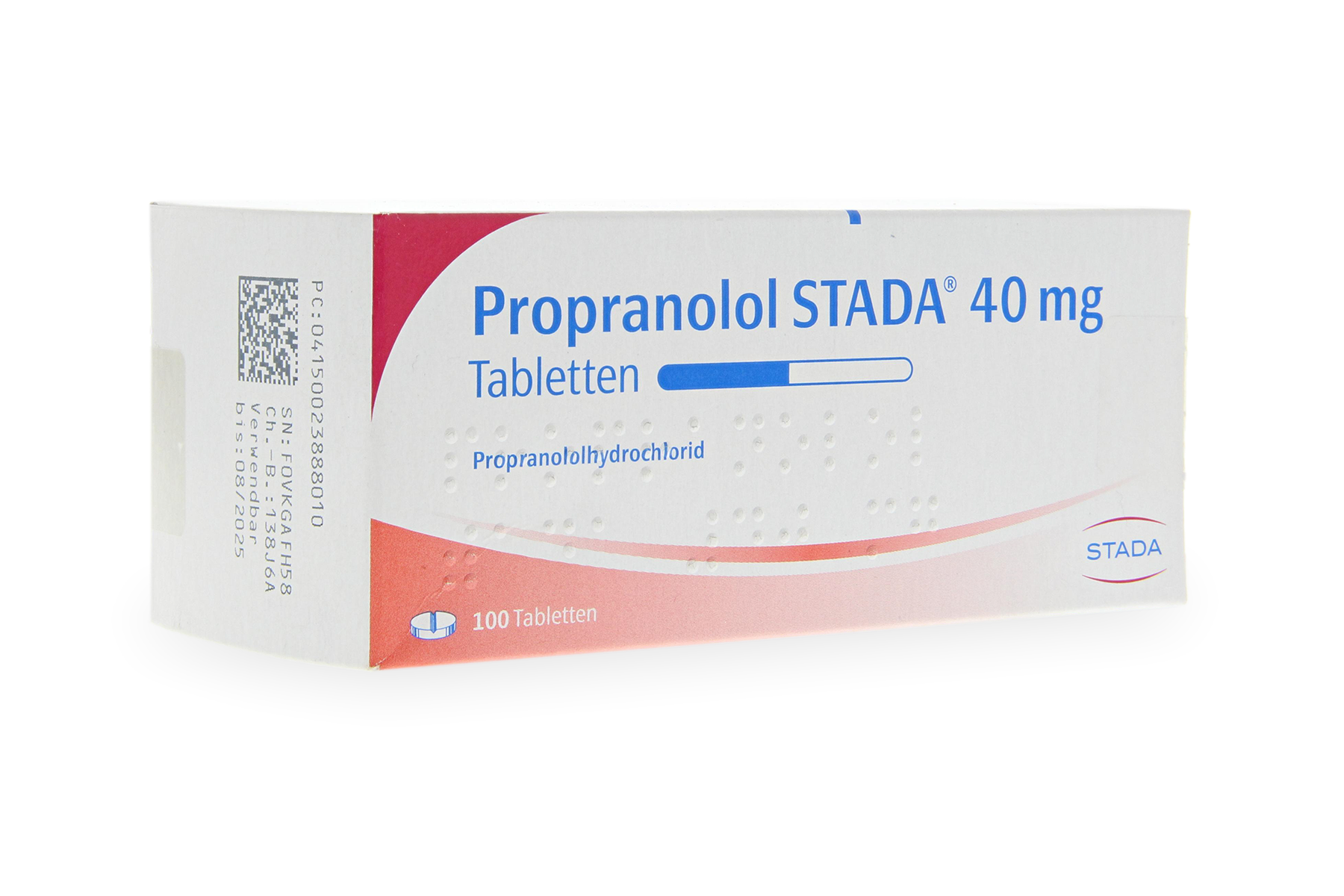
These slow your heart rate down, meaning your heart doesn't need as much oxygen to function. Propranolol is an older alternative, though less commonly used for angina today compared to the more cardioselective options.
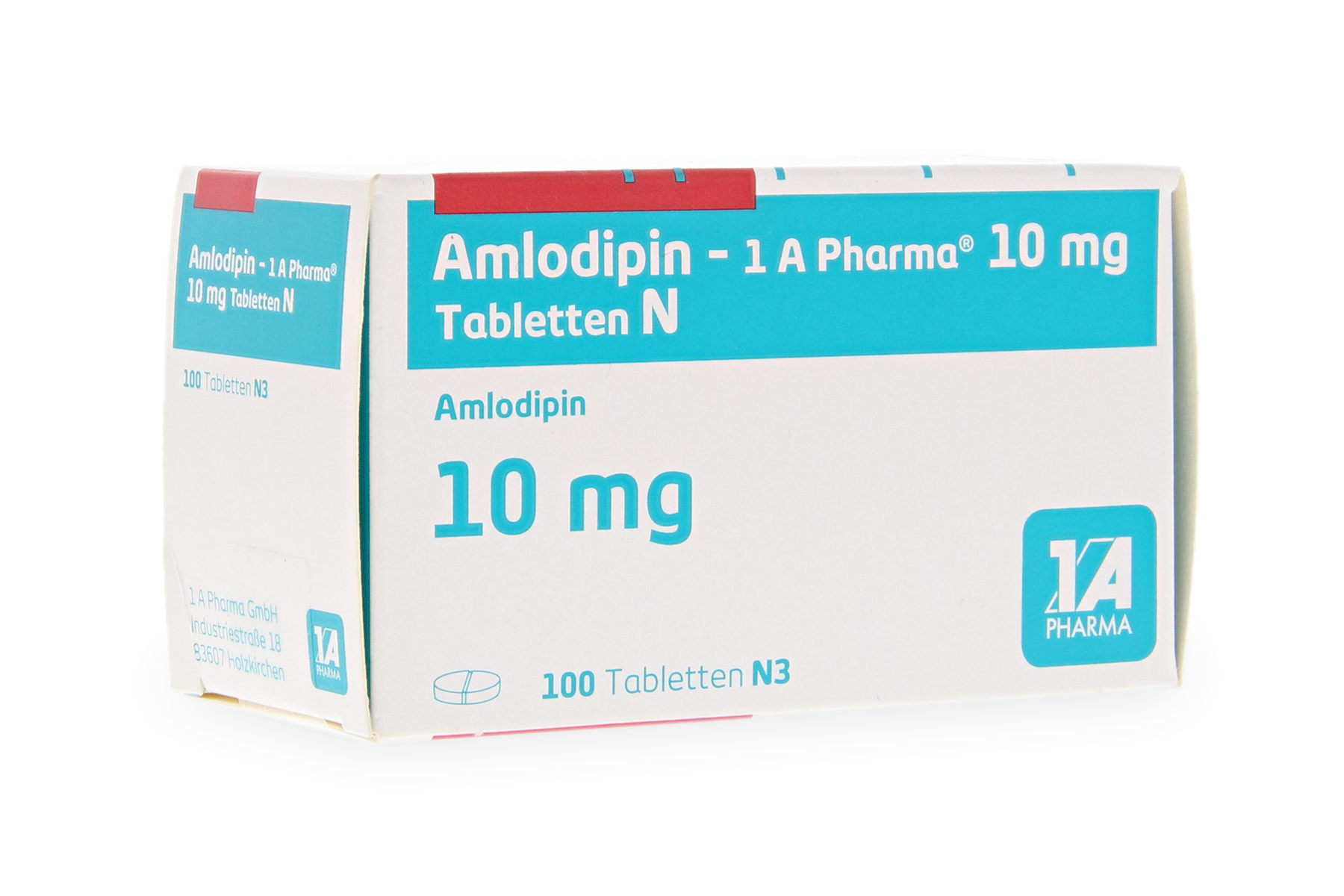
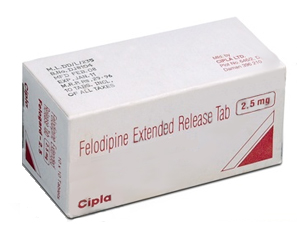
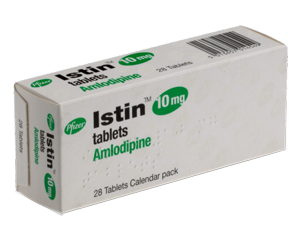
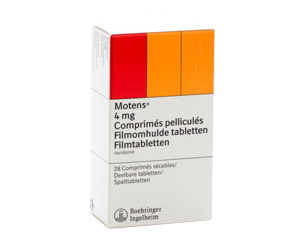
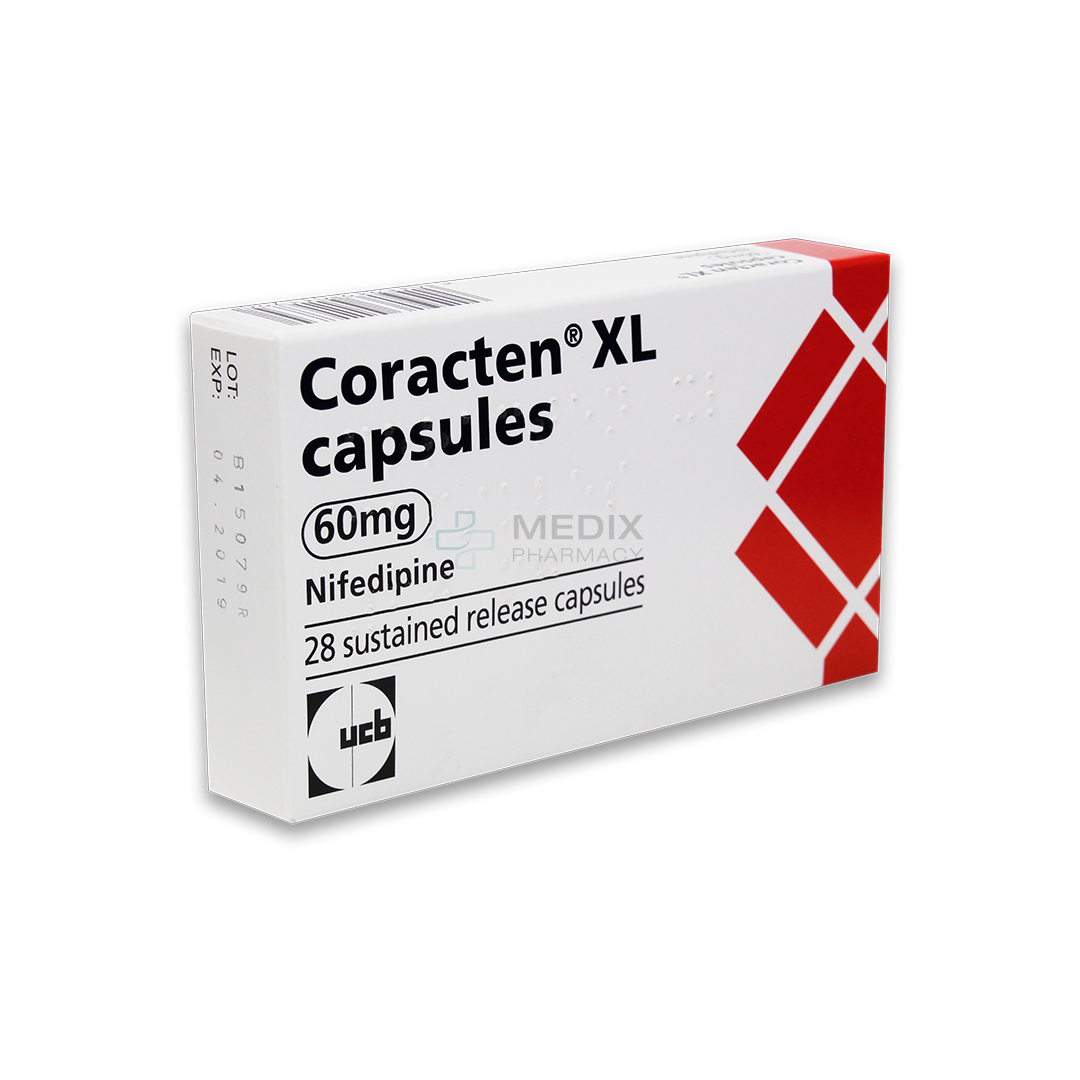
If beta-blockers aren't suitable (perhaps you have asthma), or if we need an additional effect, I turn to calcium channel blockers. Amlodipine (also known by the brand name Istin ), Felodipine , Nifedipine , and Motens (lacidipine) are excellent at relaxing the blood vessels through vasodilation , improving blood flow to the heart muscle.
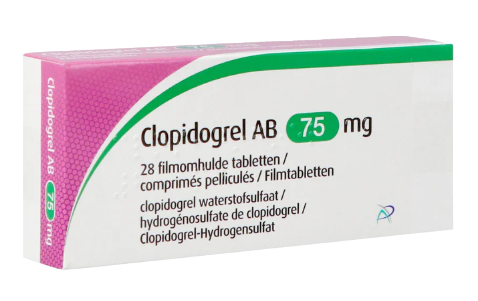
Finally, to prevent those fatty plaques from rupturing and causing a clot, we almost always prescribe an antiplatelet medication like Clopidogrel . This keeps your blood cells from sticking together, significantly lowering your risk of a heart attack.
What to expect from treatment
Starting these medications can be an adjustment. Beta-blockers might make you feel a bit fatigued or give you cold hands and feet for the first couple of weeks while your body adapts to a slower heart rate.
Calcium channel blockers like Amlodipine are notorious for causing mild ankle swelling. Clinical insight: A common mistake I see is patients stopping their medication entirely because of ankle swelling without telling me.
If this happens, please let your GP know; taking your dose at night or elevating your legs in the evening can help, or we can easily switch you to an alternative like Felodipine, which sometimes causes less pooling.
Usually, within a month of starting treatment, you should notice a significant reduction in how often you need your GTN spray and a vast improvement in your daily exercise tolerance.
Self-care and prevention
Medication is only half the battle. Your lifestyle choices act as the foundation of your treatment. Smoking cessation is non-negotiable—every cigarette causes your blood vessels to spasm, instantly worsening angina.
Beyond the standard advice of a Mediterranean diet and gentle exercise, I recommend paying close attention to the weather. Cold air can trigger sudden coronary artery spasms. Clinical insight: A practical tip I share every winter: wrap a scarf loosely around your mouth and nose before stepping outside.
Breathing in warmed air prevents the sudden shock to your respiratory and cardiovascular system that often triggers a cold-weather angina attack. Pacing yourself is also crucial; break your physical tasks into smaller chunks rather than rushing to get them done all at once.