Antibiotic Treatment Guide
Available treatment options
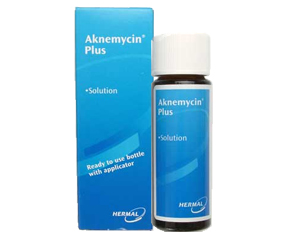
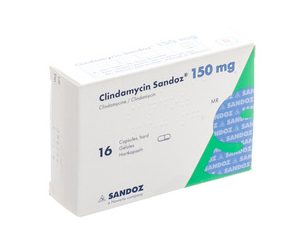
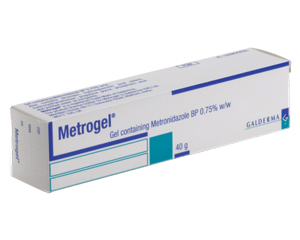
We have a wide array of antibiotics tailored to specific conditions. For acne and rosacea, I frequently prescribe topical solutions like Aknemycin , Clindamycin , or Metrogel .
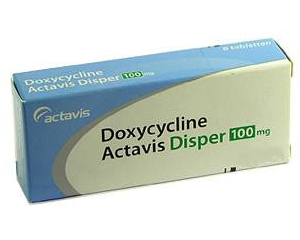
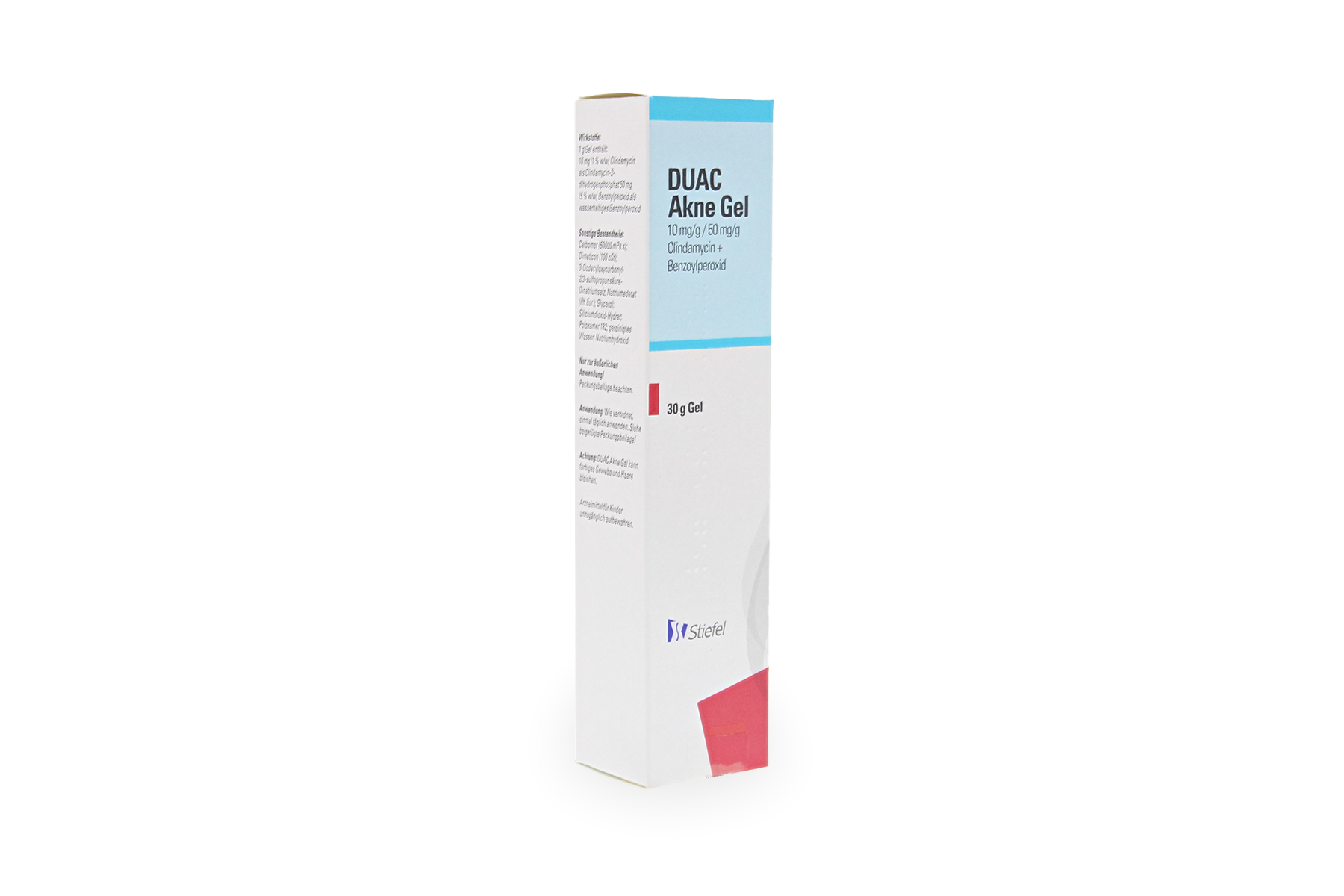
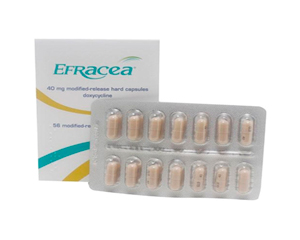
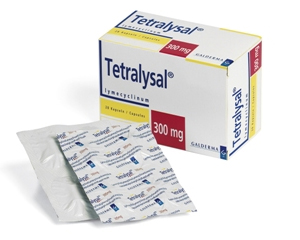
I often recommend combination therapies like Duac first; the addition of benzoyl peroxide is a brilliant mechanism that prevents bacterial resistance—a crucial step many single-ingredient prescriptions miss. For more widespread or stubborn acne, oral options like Doxycycline , Efracea , or Tetralysal provide excellent, broad coverage.
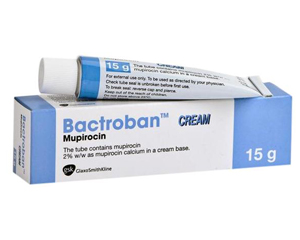
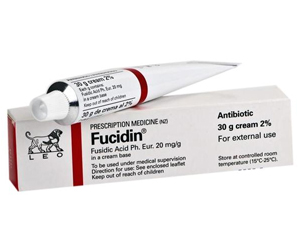
For localized, superficial skin infections such as impetigo, targeted topical antibiotics like Bactroban and Fucidin are my primary choices. Often, patients present with complicated rashes, such as infected eczema or inflamed fungal issues.
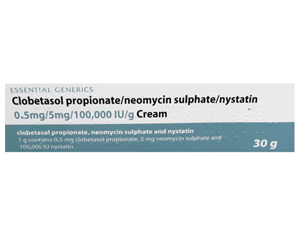
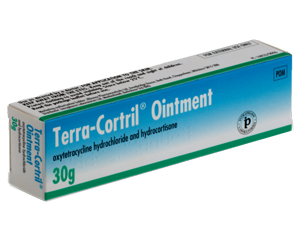
In these cases, I utilize combination creams that blend antibiotics with steroids or antifungals to tackle multiple issues at once, such as Dermovate-NN , Terra-Cortril , Trimovate Cream , and Timodine .
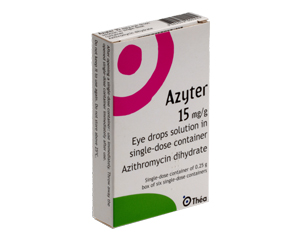
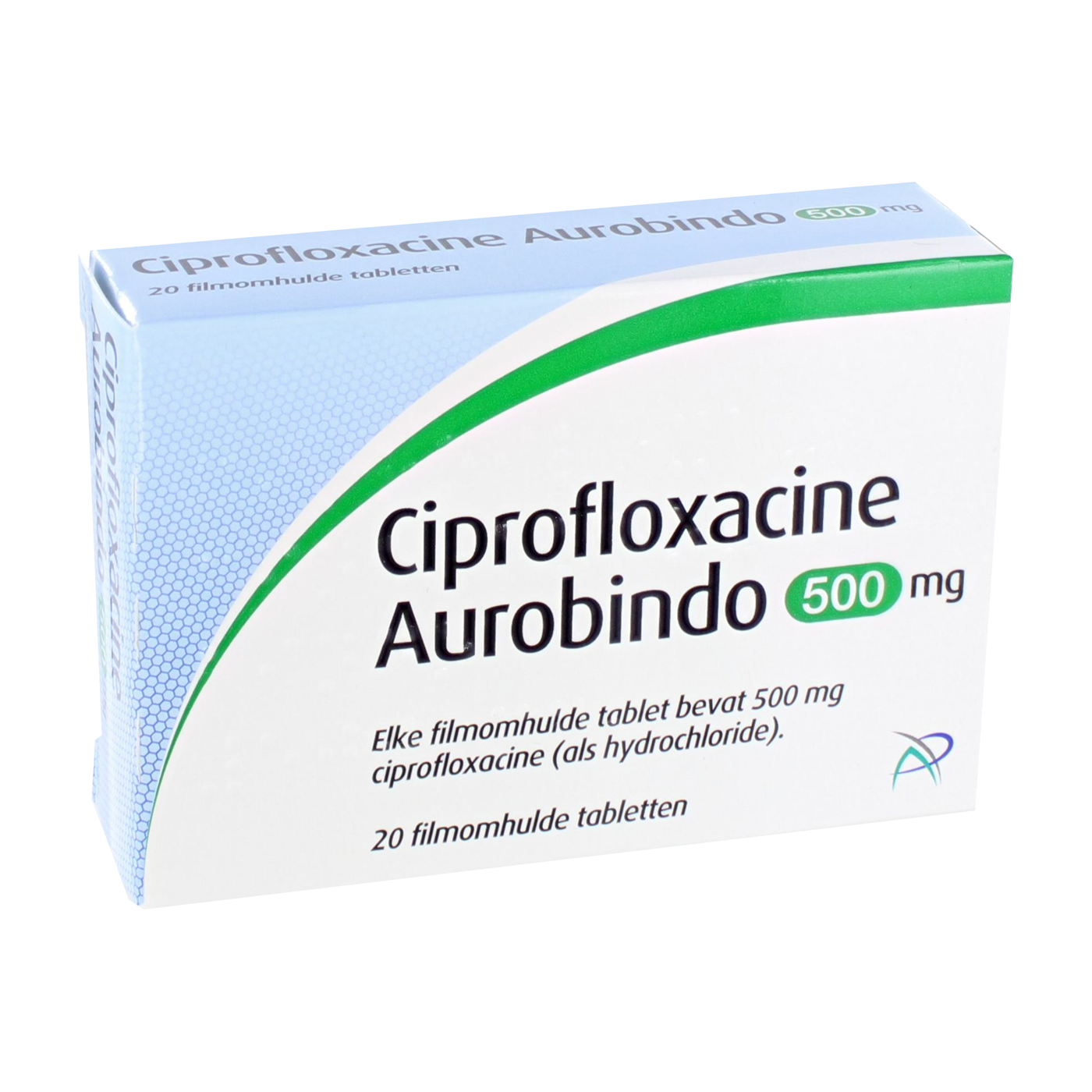
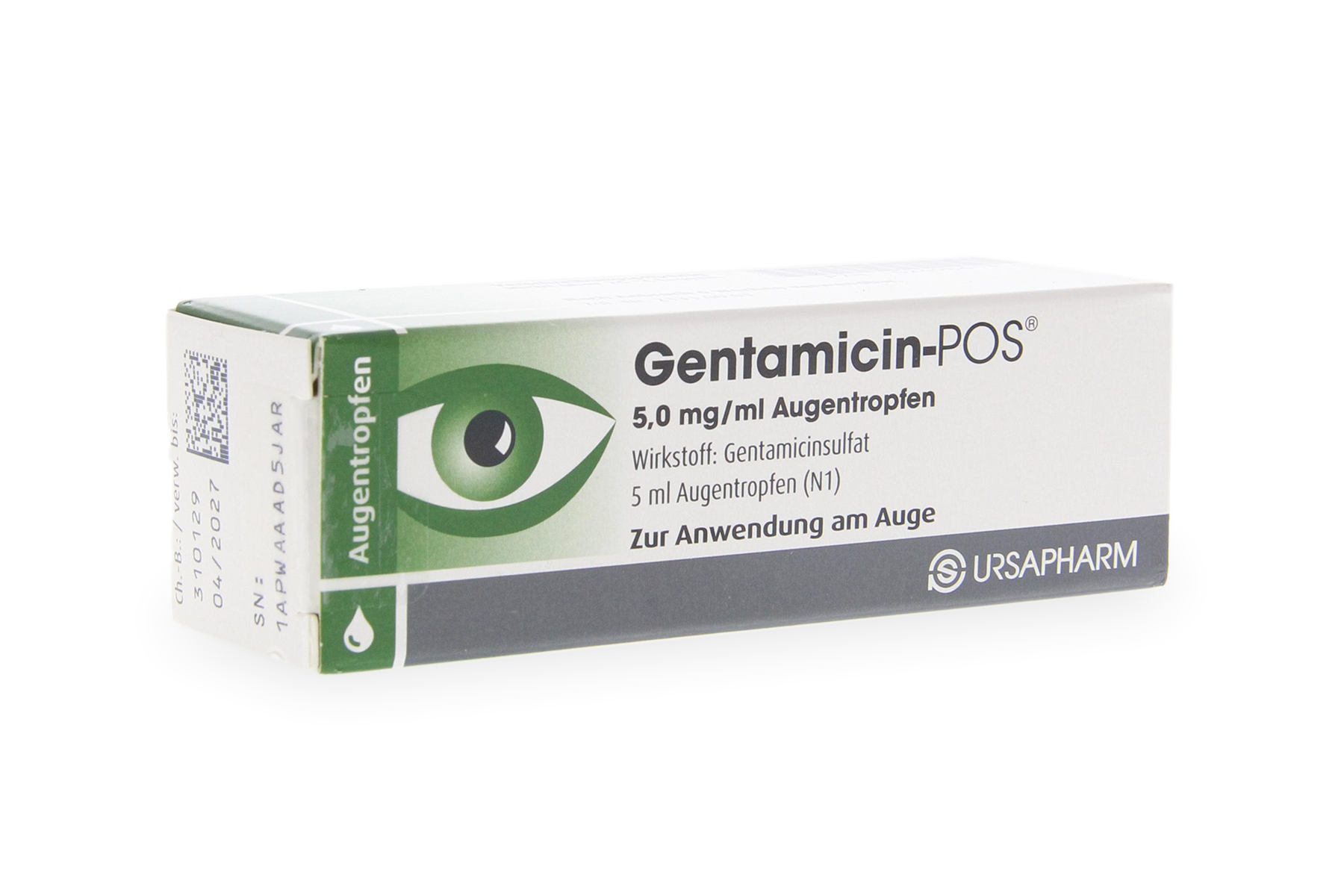
If you are suffering from bacterial eye or ear infections, localized drops like Azyter or Gentamicin deliver the medication safely and directly. Finally, for more complex, resistant, or systemic infections, we may rely on broader oral antibiotics like Ciprofloxacin , though I reserve this for when it is strictly necessary to ensure we practice good antimicrobial stewardship.
What to expect from treatment
Setting realistic expectations is a big part of my job. For acute infections treated with creams or drops, you should notice a reduction in pain and redness within 48 to 72 hours.
However, chronic conditions are a different story. For oral acne antibiotics, patients frequently give up at week four, convinced the medication is failing. I always warn them: your skin cycles approximately every 28 days.
Because these drugs are often bacteriostatic (meaning they stop bacteria from multiplying rather than killing them instantly), you won't see the true, final benefit until weeks 8 to 12.
Patience is your best ally here.
Self-care and prevention
Medication is only half the battle; how you care for your body during treatment matters immensely. A vital tip from my clinical experience regarding topical antibiotics: always apply them to completely dry skin.
Many patients apply creams to damp skin right after washing, thinking it locks in moisture. In reality, damp skin increases the absorption rate too rapidly, which is the number one cause of the severe irritation, stinging, and peeling my patients complain about.
Wait at least 15 minutes after washing before applying your treatment.