Antifungal Treatments Explained
Available treatment options
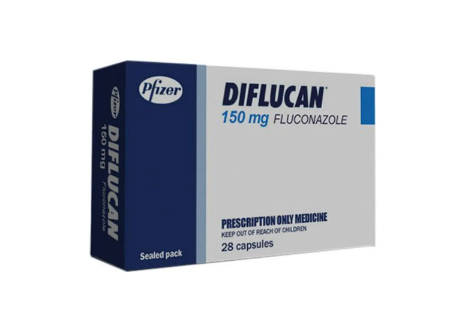
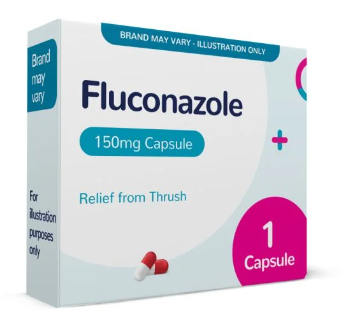
When it comes to choosing an antifungal, the specific product depends entirely on the location and severity of the infection. For internal or mucosal yeast infections, such as vaginal or penile thrush, an oral capsule of Fluconazole (often branded as Diflucan ) works brilliantly from the inside out, usually requiring just a single dose.
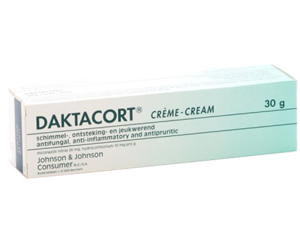
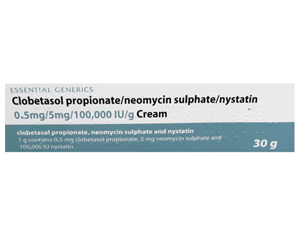
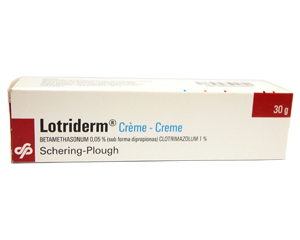
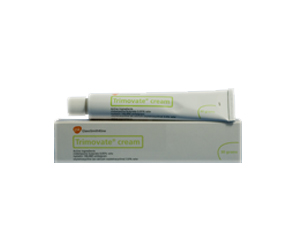
For inflamed, incredibly itchy skin rashes, I often prescribe combination creams. Daktacort is excellent for mild inflammation as it combines a gentle steroid with an antifungal. For more severe, thickened, or highly inflamed fungal rashes, stronger combinations like Lotriderm or Trimovate Cream are highly effective.
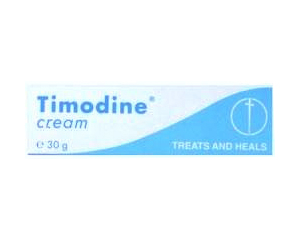
Dermovate-NN is reserved for very stubborn, complex cases, as it contains a very potent steroid alongside an antifungal and antibacterial agent. Timodine is a fantastic option for severe intertrigo (sweat rash) or nappy rash, as it contains dimeticone, which acts as a water-repellent barrier.
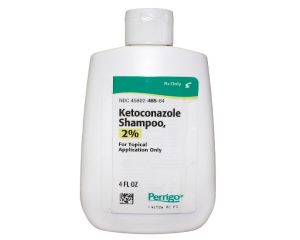
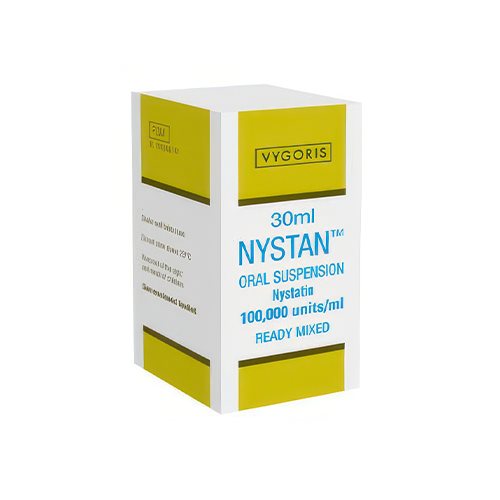
For specific yeast infections without severe inflammation, pure Nystatin is a reliable choice. Finally, for scalp issues like seborrheic dermatitis or pityriasis versicolor on the body, Ketoconazole Shampoo is my go-to.
A critical clinical pearl: I constantly warn patients never to use pure, over-the-counter steroid creams on a suspected fungal rash. Steroids suppress the local immune system, acting like "fertiliser" for the fungus.
This causes a massive, atypical flare-up known medically as tinea incognito .
What to expect from treatment
Patients often expect the infection to be cured the moment the itching stops, which usually happens within 48 to 72 hours of starting treatment. However, the true eradication of the fungus takes much longer.
The most important advice I give my patients is the "two-week rule." You must continue applying your topical antifungal cream for 10 to 14 days after the skin looks completely normal.
Fungal spores hide deep within the stratum corneum (the outermost layer of the epidermis) and will rapidly rebound if you stop treatment prematurely.
Self-care and prevention
Medication clears the current infection, but environmental changes prevent the next one. Fungi cannot survive without moisture. A trick I share in my clinic is to ditch the towel for your feet and groin, and instead use a hairdryer on a cool setting to ensure skin folds and toes are bone dry before dressing.
Furthermore, always put your socks on before your underwear; pulling underwear over bare feet can drag dermatophyte spores from your toes directly to your groin, causing "jock itch." Wash your towels at 60 degrees Celsius to effectively kill lingering spores.