Antihistamine Treatment Guide
Available treatment options
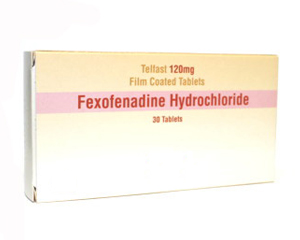
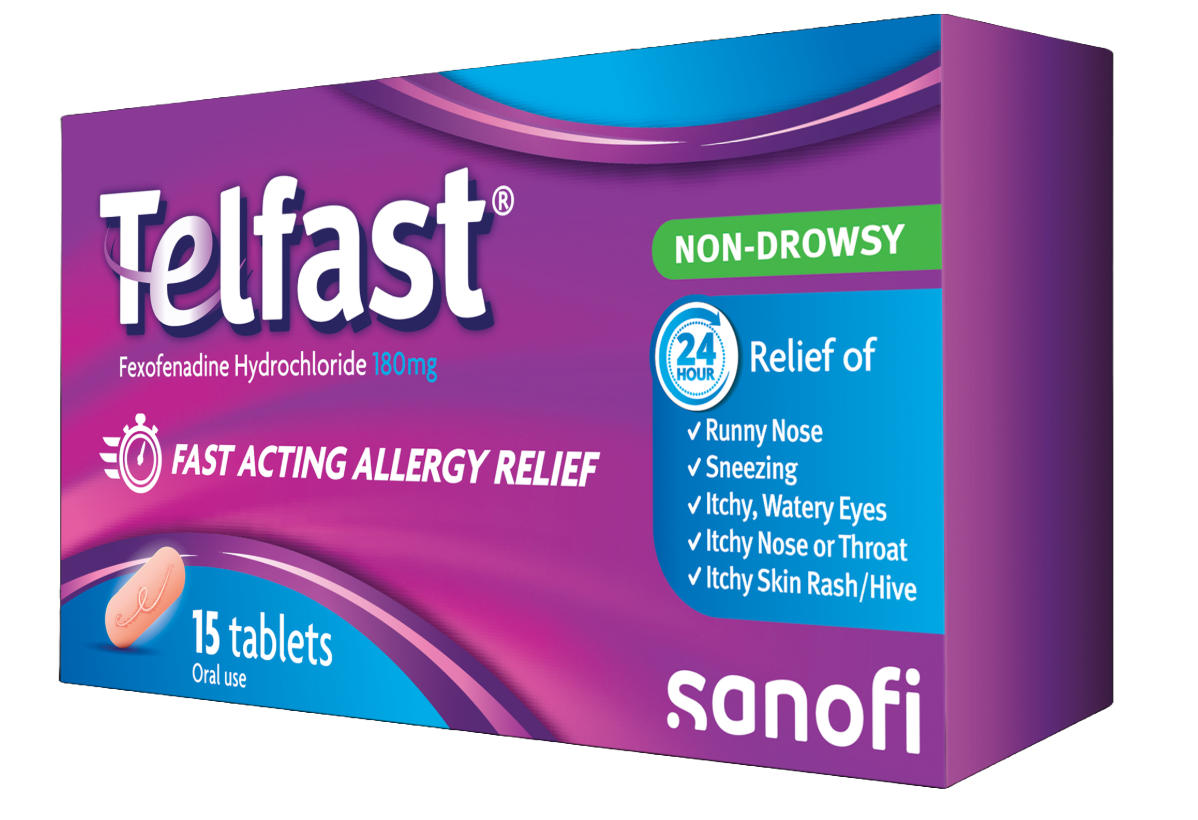
We have a fantastic arsenal of antihistamines and complementary allergy treatments available today. For daily oral relief, I typically recommend second or third-generation non-drowsy tablets. Fexofenadine (often known by the brand name Telfast ) is highly effective for both hayfever and hives, and it genuinely does not cross the blood-brain barrier, making it truly non-drowsy.
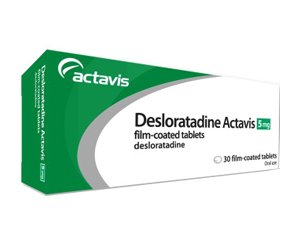
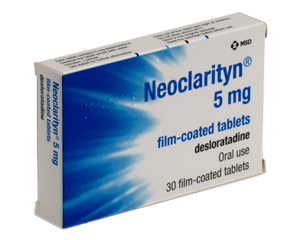
Another excellent option is Desloratadine (available as Neoclarityn ), which provides long-lasting relief with a very low side-effect profile.
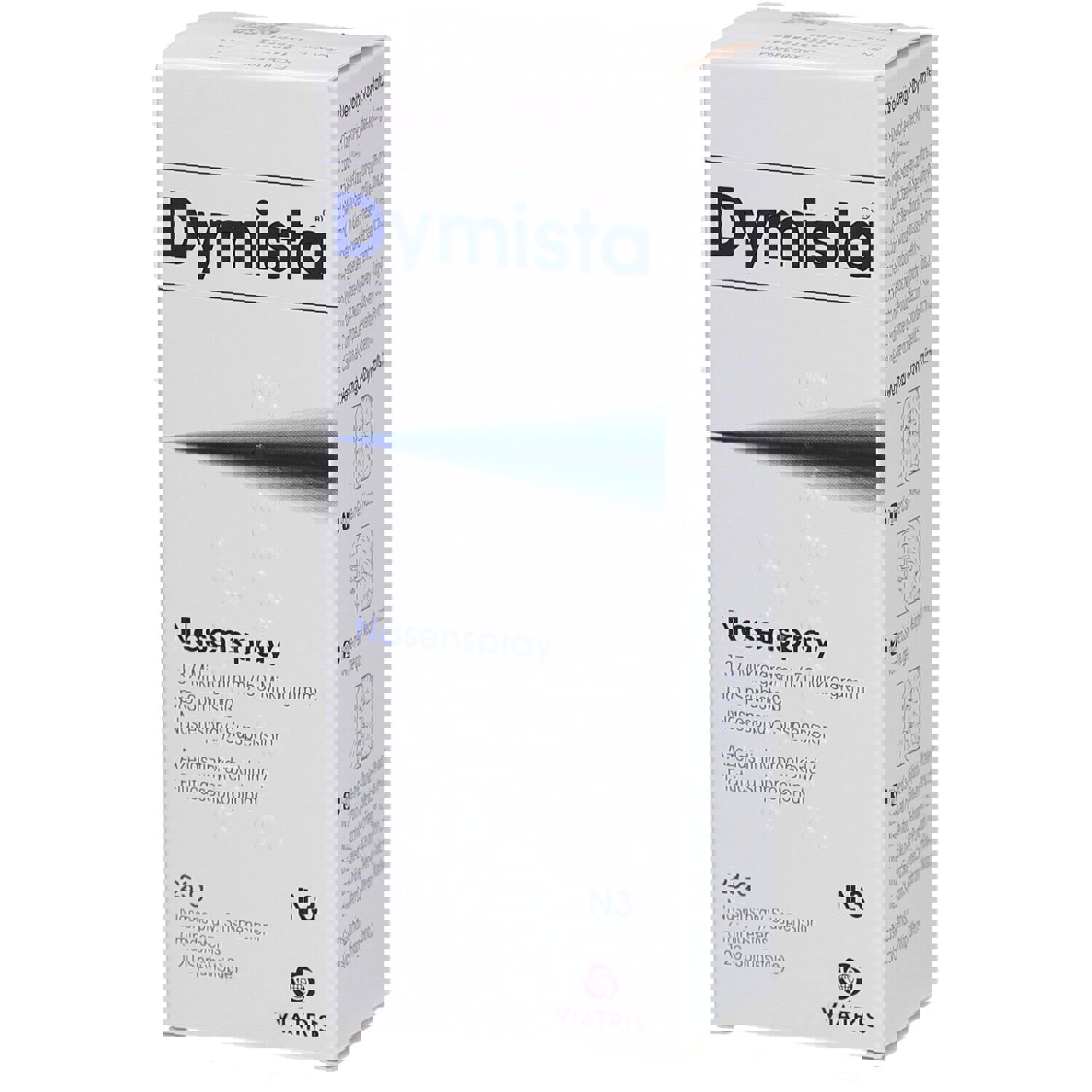
For severe nasal symptoms, oral tablets often are not enough. I frequently prescribe Dymista , which is a brilliant combination of an antihistamine and a steroid in one spray—patients often tell me it is a game-changer when nothing else works.
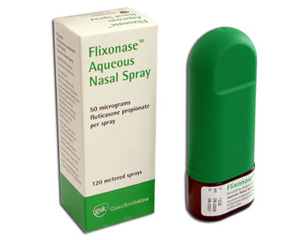
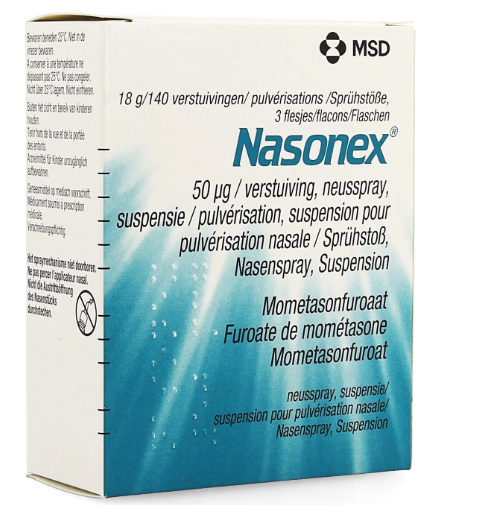
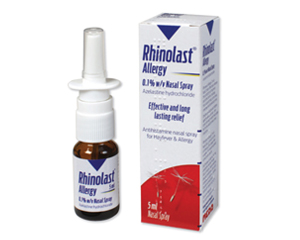
Alternatively, standalone steroid sprays like Flixonase or Nasonex Nasal Spray are excellent for reducing chronic nasal inflammation, while Rhinolast offers a targeted antihistamine spray.
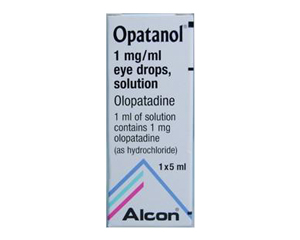
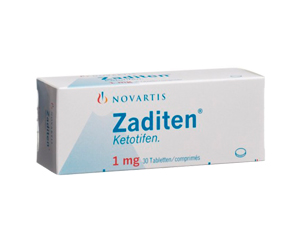
If itchy eyes are your main misery, targeted drops work faster than tablets. Opatanol and Zaditen are highly effective mast-cell stabilising eye drops that stop the itch at the source.
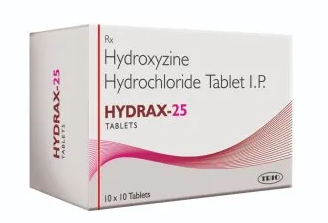
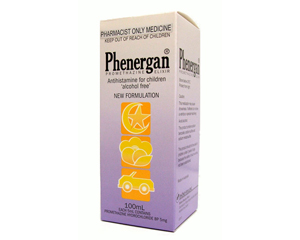
Finally, there is a place for older, first-generation antihistamines like Phenergan or Hydroxyzine . Because they cross into the brain, they cause significant drowsiness. I rarely prescribe these for daytime allergies, but they can be invaluable for short-term use if intense itching from hives or eczema is preventing you from sleeping.
What to expect from treatment
Oral antihistamines like Fexofenadine work quickly, usually within an hour. Eye drops offer almost immediate relief. However, nasal sprays require patience. A common mistake I see is patients using a steroid spray for three days, deciding it does not work, and stopping.
You must use them daily for at least two weeks to see the full benefit.
Another phenomenon I frequently see in practice is what patients call 'antihistamine tolerance' (clinically known as tachyphylaxis ). If you find your usual tablet stops working mid-season, you have not been cured—your body has just adapted.
Simply switching to a different active ingredient for a few weeks often resets this resistance beautifully.
Self-care and prevention
Medication is only half the battle. Simple lifestyle tweaks make a massive difference. Here are my top clinical recommendations:
- Wash your hair before bed: Pollen is sticky; if you do not wash it out, you spend eight hours rubbing it into your pillow and breathing it in.
- Use a saline rinse: Clear out the mucus with a simple saline wash before applying your medicated nasal spray. This allows the medication to actually reach the nasal lining where it needs to work.
- Apply a barrier balm: A thin layer of petroleum jelly around the nostrils traps pollen before it enters the airway.
These small habits, combined with the right antihistamine, can give you your life back during allergy season.