A GP's Guide to Antiviral Treatments
Available treatment options
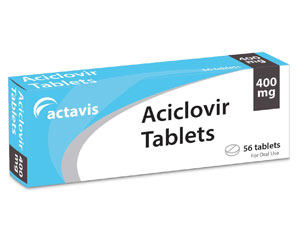
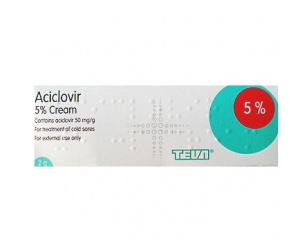
When it comes to tackling outbreaks, we primarily use two forms of medication: Aciclovir (oral tablets) and Aciclovir Cream (a topical ointment). I typically recommend the cream as the first line of defence for occasional, mild facial cold sores.
It is targeted and has minimal side effects. However, for severe outbreaks, genital herpes, or patients who get cold sores so frequently that it impacts their mental health, oral tablets are a game-changer.
An insight from my prescribing habits: cream is for the surface, but tablets treat the virus at the nerve root level, which is why they are far more effective for aggressive or frequent flare-ups.
What to expect from treatment
If you apply the cream or take the tablets at the very first sign of a tingle, you might completely abort the blister, meaning it never breaks the skin.
If the blister has already formed, antivirals will typically shave one to two days off your total healing time. One thing standard pharmacy leaflets do not tell you: applying the cream too thickly actually keeps the lesion moist and can delay the scab from hardening and healing.
Less is truly more—dab a very thin layer, do not slather it on.
Self-care and prevention
While lysine supplements and SPF lip balms are great preventative tools, my top clinical tip for prevention is managing localized physical trauma. I see a massive spike in cold sores after my patients visit the dentist.
The stretching of the lips during dental work micro-traumatises the skin, which acts as an alarm clock for the virus. If you are prone to outbreaks, apply a preventative layer of antiviral cream just before you sit in the dentist's chair to keep the virus suppressed.