Asthma Treatment Guide
Available treatment options
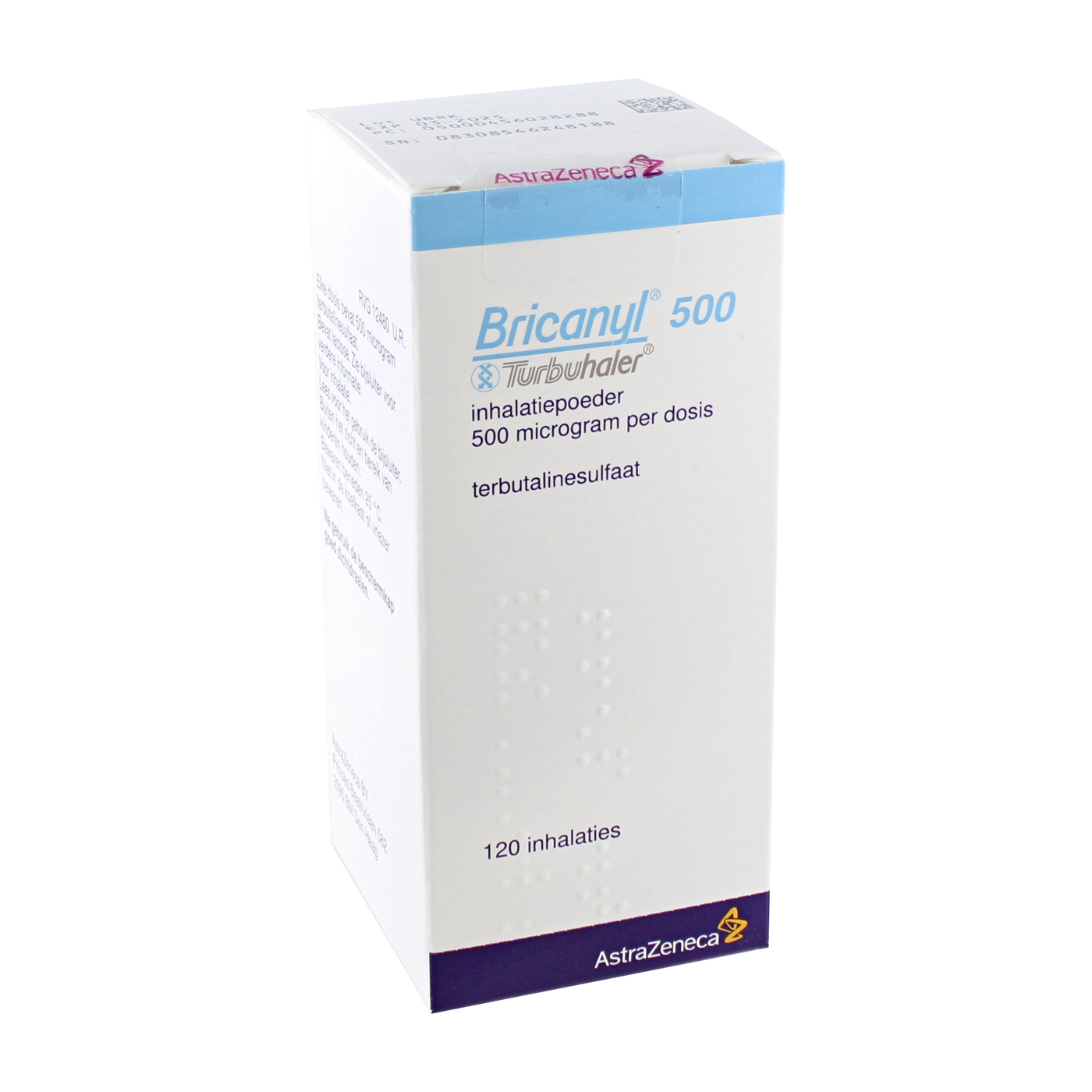
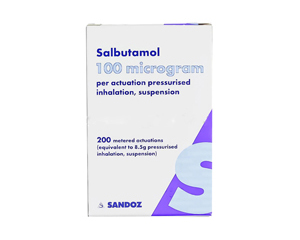
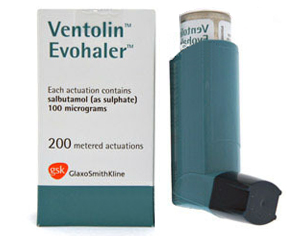
Asthma management typically involves relievers, preventers, or a combination of both. Relievers, such as Salbutamol (commonly known by the brand Ventolin ) and Bricanyl , act rapidly to open the airways during an attack.
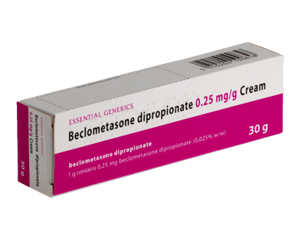
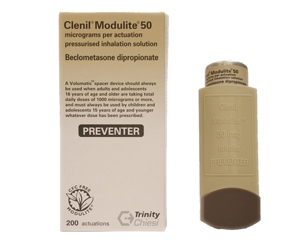
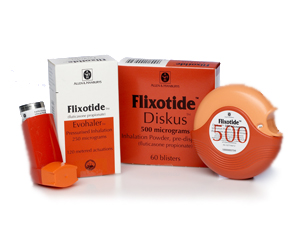
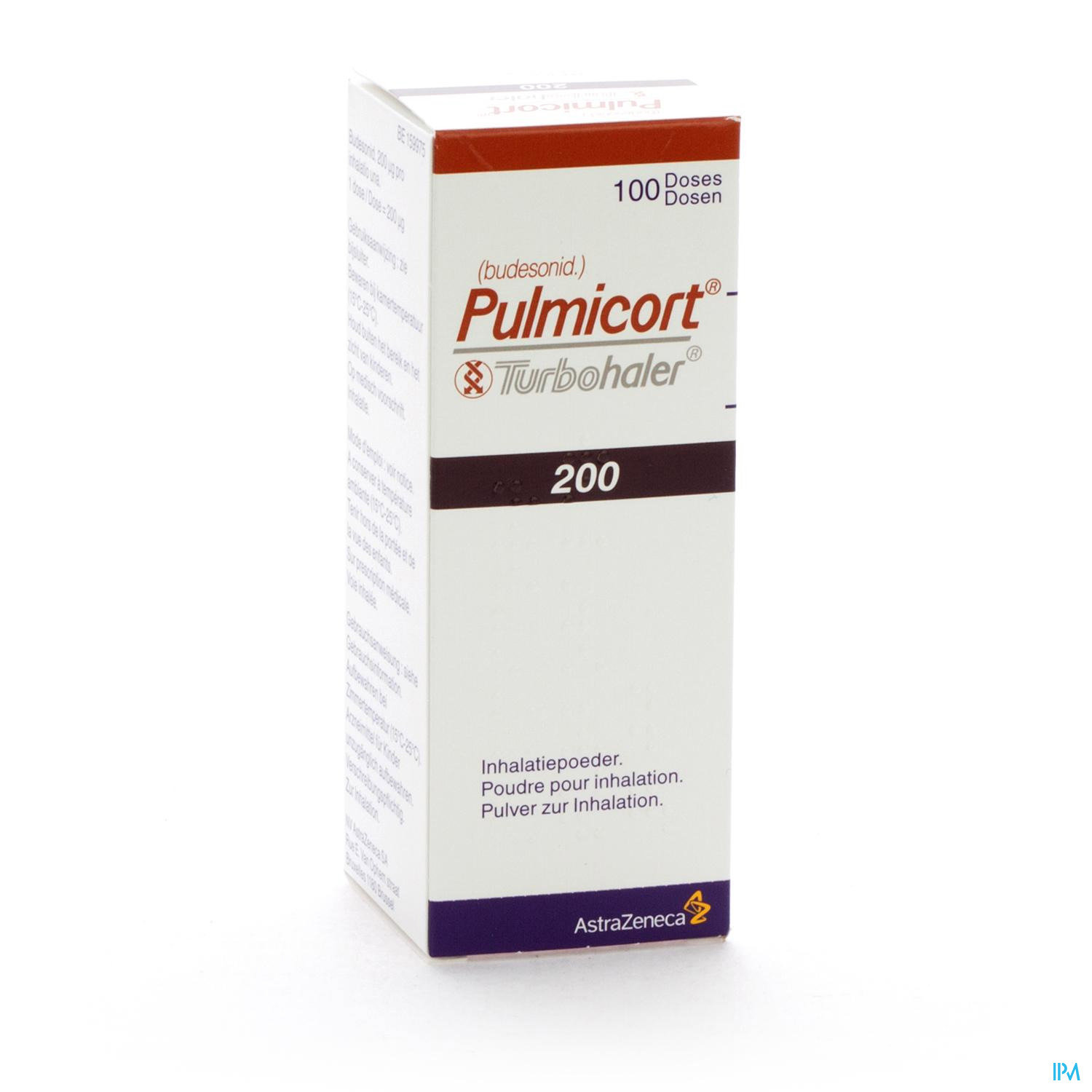
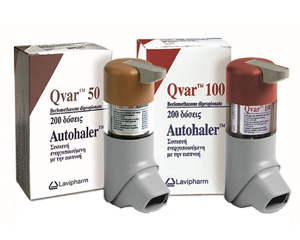
However, the cornerstone of asthma care is prevention using inhaled corticosteroids . I frequently prescribe Beclometasone (often as Clenil Modulite or Qvar ), Flixotide , or Pulmicort to reduce daily inflammation.
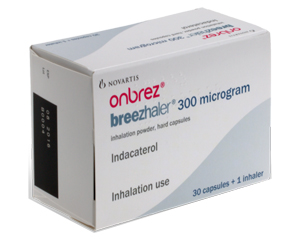
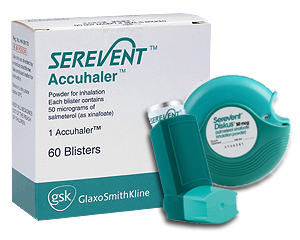
For patients who need more support, we use long-acting bronchodilators like Salmeterol , Serevent , or Onbrez . Often, it's much easier to use a combination inhaler that blends a steroid and a long-acting reliever.
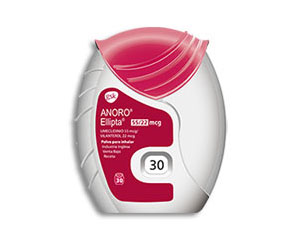
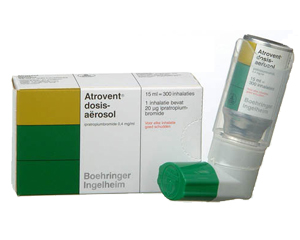
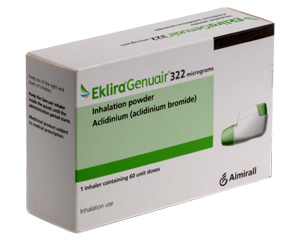
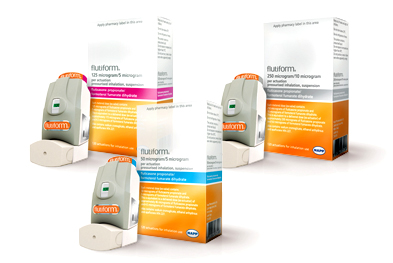
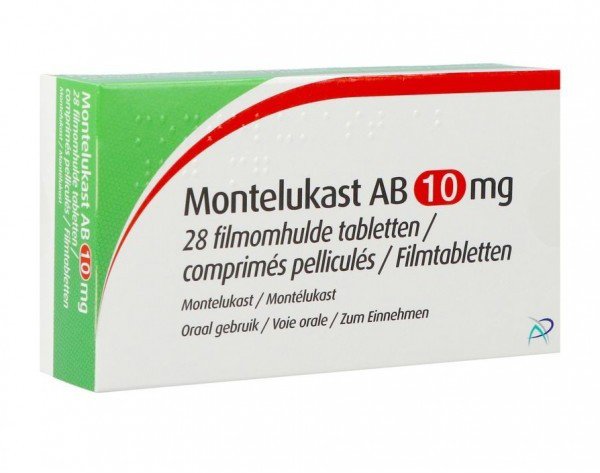
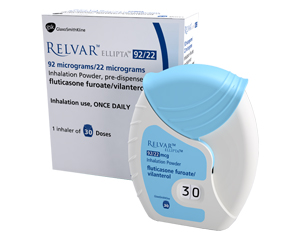
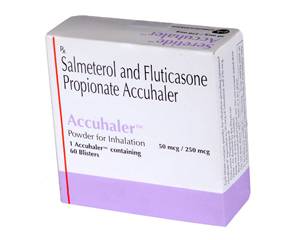
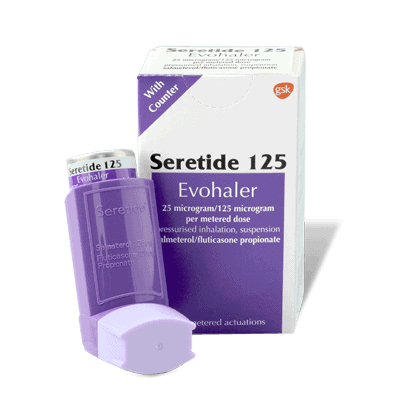
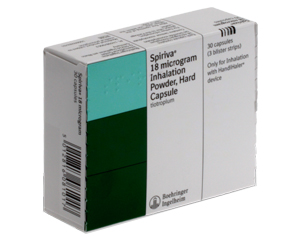
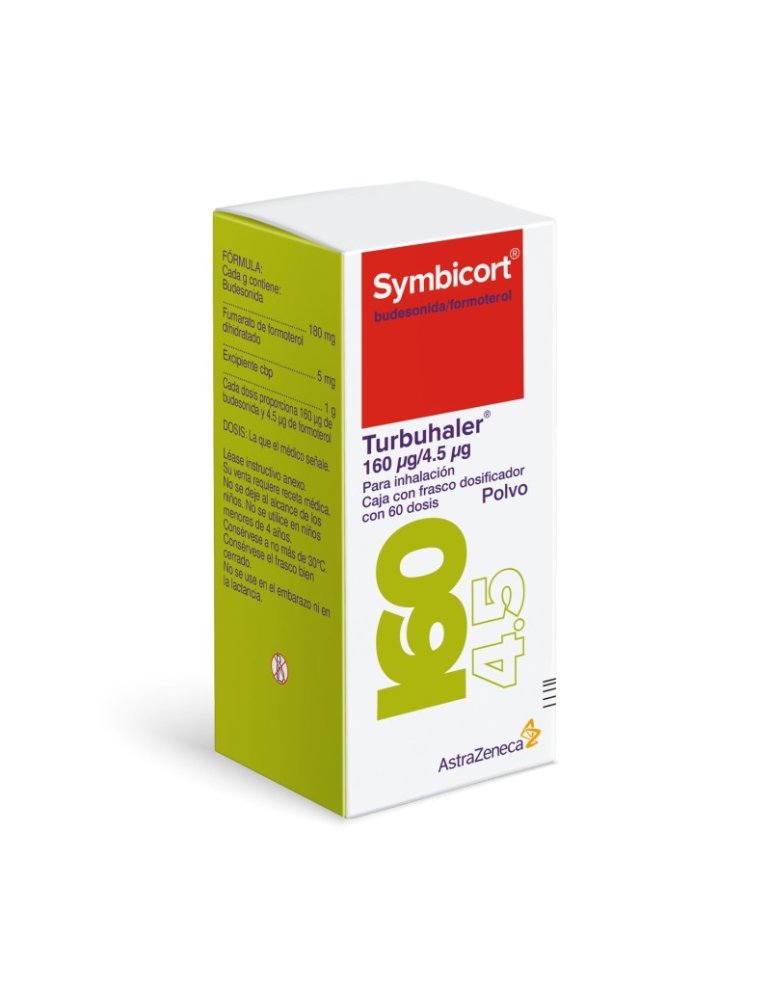
Excellent options I regularly review with patients include Symbicort , Seretide , Flutiform , and Relvar . For specific or more severe cases, we might look at add-on therapies like Montelukast tablets, or anticholinergic inhalers such as Spiriva , Atrovent , Anoro , Eklira , or Ipratropium Steri-Neb .
My primary recommendation always depends on your specific lung function, but I generally start with a low-dose steroid preventer alongside a standard reliever.
What to expect from treatment
A common frustration I hear is, 'Dr. Phipps, my brown inhaler isn't working.' It is vital to understand that preventer inhalers do not provide immediate relief. They typically take two to four weeks of consistent daily use to build up their anti-inflammatory effect in your lungs.
Once they do, you should notice a dramatic drop in your need for your reliever. A common side effect of steroid inhalers is a mild sore throat or oral candidiasis (thrush).
It's also important to ensure your inhaler technique is correct. Using a spacer device with aerosol inhalers can increase the amount of medicine reaching your lungs by up to 50%, compared to just spraying it directly into your mouth.
Self-care and prevention
Medication is only half the battle. Identifying your triggers—be it pollen, dust mites, stress, or cold air—is crucial. I highly recommend keeping a peak flow diary when changing medications, as it provides objective data on your lung function rather than just relying on how you feel.
Another practical tip from my clinic: keep your preventer next to your toothbrush. Using it right before you brush your teeth effectively washes away the residual medicine from your mouth, preventing hoarseness.
Finally, if cold winter air triggers your chest tightness, loosely wrap a scarf around your nose and mouth before stepping outside. This creates a microclimate that warms and humidifies the air before it hits your sensitive airways, often preventing a spasm entirely.