Navigating Anticoagulant and Antiplatelet Therapy
Available treatment options
The landscape of anticoagulation has completely transformed over the last decade. We now frequently prescribe Direct Oral Anticoagulants (DOACs) which don't require the constant blood monitoring of older drugs like Warfarin.
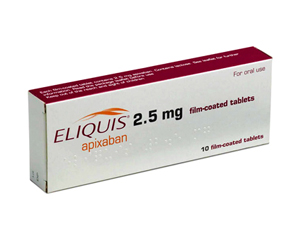
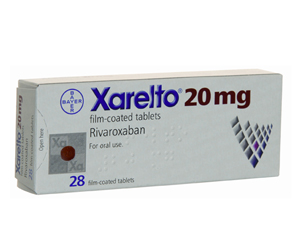
Eliquis (apixaban) is often my first-line recommendation for patients with mild kidney impairment or fragile stomachs, though it requires twice-daily dosing. Xarelto (rivaroxaban) is a fantastic once-daily option, but here is a crucial insight: it must be taken with a substantial, calorie-dense meal to be properly absorbed—a simple cracker won't do.
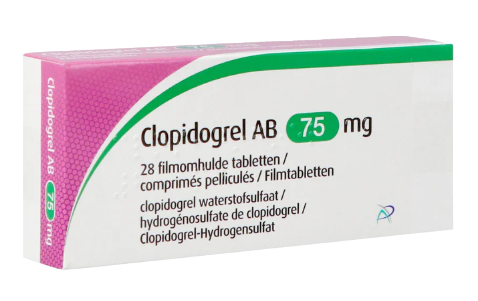
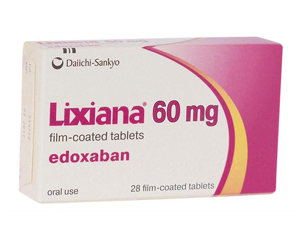
Lixiana (edoxaban) is another excellent once-daily DOAC that is highly effective and simple to manage. Finally, Clopidogrel is slightly different; it is an antiplatelet rather than an anticoagulant, making it the preferred choice for keeping stents open after a heart attack rather than treating irregular heartbeats.
What to expect from treatment
The most common anxiety my patients share is the fear of uncontrollable bleeding. I want to set a realistic expectation: you will likely experience minor micro-bleeding when you brush or floss your teeth.
In my experience, this usually peaks around week two of treatment and settles down by week four as your body adjusts. You won't "feel" these medications working, which can sometimes make it tempting to skip a dose.
However, because modern DOACs clear from your system in about 12 to 24 hours, skipping just one pill leaves you entirely unprotected against clots for that day.
Self-care and prevention
Beyond taking your medication, your daily habits play a massive role in preventing blood clots. One of the most overlooked factors is hydration. Dehydration concentrates your blood, making it stickier and forcing your medication to work harder.
I advise my patients to drink a large glass of water immediately upon waking to offset the natural dehydration that occurs overnight, reducing early morning blood viscosity. Additionally, always carry a medical alert card in your wallet; in an emergency, knowing exactly which blood thinner you take dictates the specific reversal agent paramedics will use.