Understanding Alzheimer's Disease
Alzheimer's disease is a progressive neurologic disorder that causes the brain to shrink (atrophy) and brain cells to die. It is the most common cause of dementia—a continuous decline in thinking, behavioral, and social skills that affects a person's ability to function independently.
Symptoms and Stages
The early signs of the disease include forgetting recent events or conversations. As the disease progresses, a person will develop severe memory impairment and lose the ability to carry out everyday tasks. While there is currently no cure, medications can temporarily improve symptoms or slow the rate of decline.
Available Medications
Treatments focus on maintaining mental function and managing behavioral symptoms:
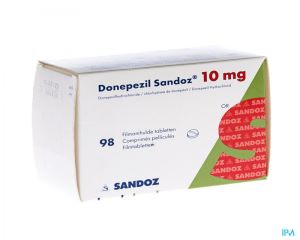
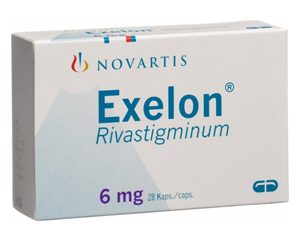
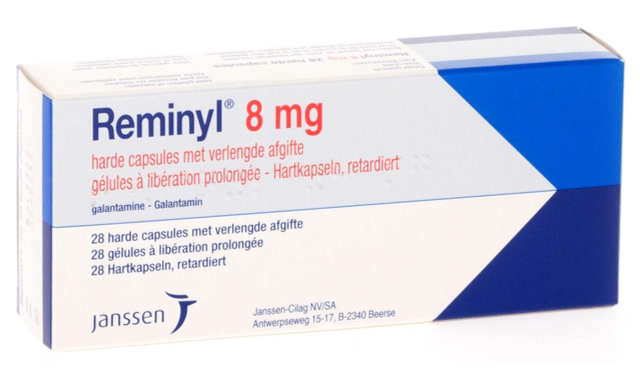
- Cholinesterase Inhibitors: Medications like Donepezil (Aricept), Exelon, and Reminyl work by increasing levels of a cell-to-cell communication chemical depleted in the brain by Alzheimer's.
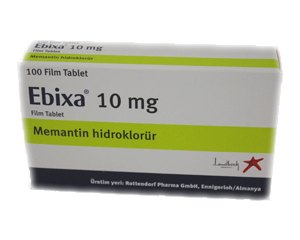
- NMDA Receptor Antagonists: Ebixa (Memantine) works by regulating the activity of glutamate, another chemical messenger involved in brain functions such as learning and memory.
Caring for Someone with Alzheimer's
- Establish a routine to provide a sense of security.
- Simplify tasks and encourage independence where possible.
- Ensure a safe living environment to prevent falls and confusion.
- Seek support for caregivers through local organisations and health services.
Online Repeat Prescriptions
If a specialist has already diagnosed Alzheimer's and initiated treatment, our online clinic can provide a convenient way to manage repeat prescriptions. Our UK doctors will review your treatment history to ensure continued safety and effectiveness.