A Doctor's Guide to Managing Your Cholesterol
Available treatment options
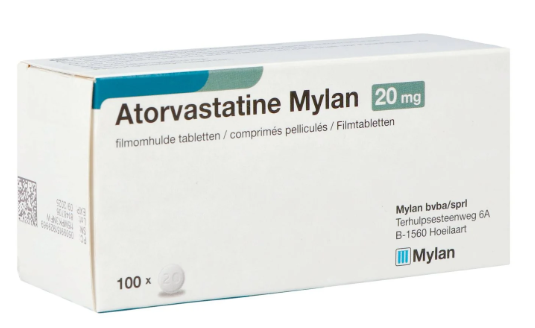
When prescribing, I tailor the choice to the individual's risk profile and tolerance. Statins are our frontline defence. Atorvastatin is the workhorse of my practice—it is highly effective and affordable.
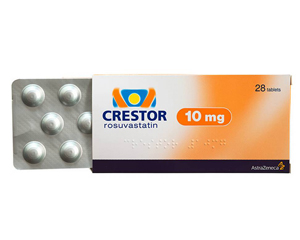
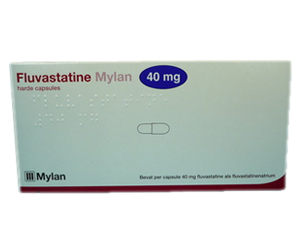
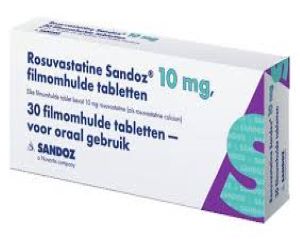
For patients needing a more potent reduction, I often turn to Rosuvastatin (often known by the brand name Crestor ). If you are prone to side effects, Fluvastatin is a gentler, albeit less potent, alternative.
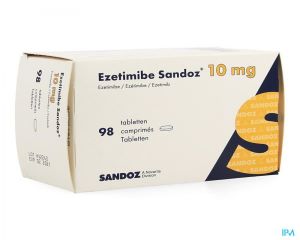
Not everyone can tolerate statins, or sometimes they aren't enough. In these cases, Ezetimibe is brilliant; it works entirely differently by blocking cholesterol absorption in the gut, rather than stopping liver production.
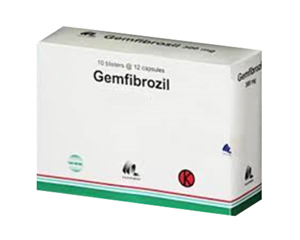
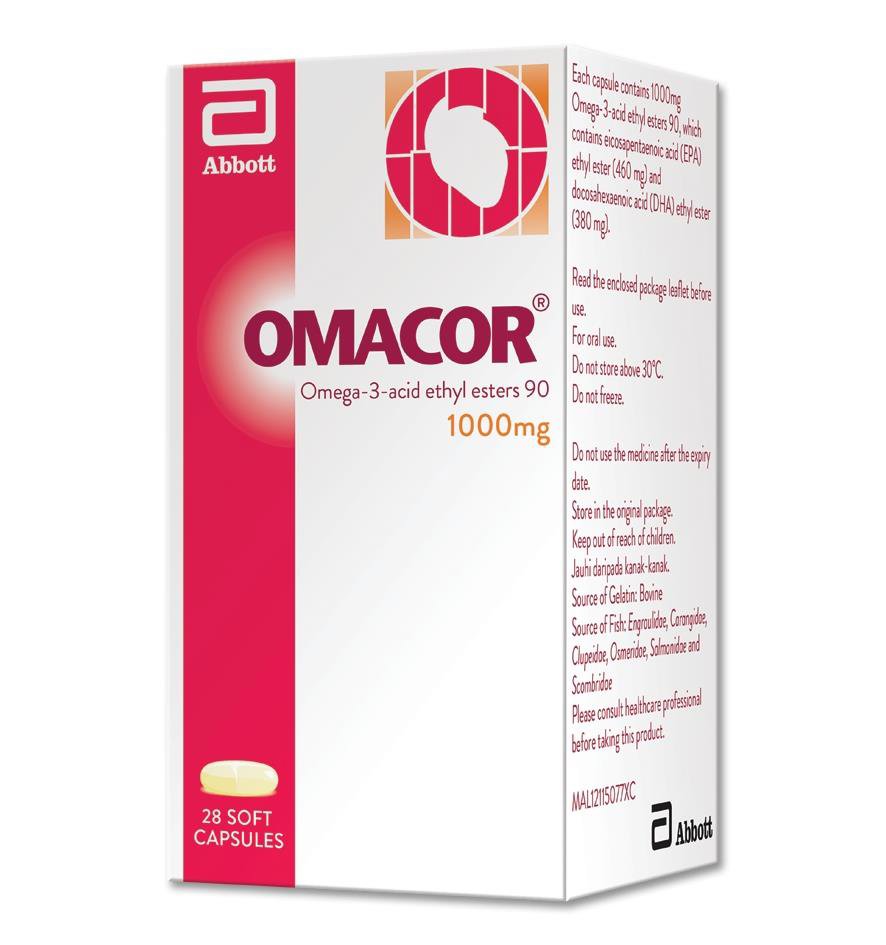
For patients with isolated high triglycerides, I might consider a fibrate like Gemfibrozil or prescribe highly purified omega-3 fatty acids like Omacor . Despite these varied options, my typical first-line recommendation remains a moderate dose of Atorvastatin, as the clinical evidence for its protective cardiovascular benefits is simply overwhelming.
What to expect from treatment
When you start a statin, you won't 'feel' any different, but your blood work will show dramatic changes within just 4 to 6 weeks. The most common concern my patients raise is muscle aches ( myalgia ).
Interestingly, clinical trials show that the vast majority of these aches are the 'nocebo' effect—expecting a side effect makes you feel it. However, a practical insight from my clinic: if you do experience genuine muscle stiffness, ensuring you are adequately hydrated and checking your Vitamin D levels can often resolve the issue without needing to stop the medication.
Self-care and prevention
Dietary advice has evolved drastically since the 1990s. I spend a lot of time myth-busting in my consulting room: eating eggs does not significantly raise your blood cholesterol!
Instead of obsessing over dietary cholesterol, focus on increasing soluble fibre, which acts like a sponge in your gut to bind and excrete cholesterol. Oats, beans, and lentils are your best friends here.
Additionally, a brisk 30-minute walk daily does wonders for raising your protective HDL levels, which helps sweep the bad cholesterol back to your liver for disposal.