Contraceptive Treatments Guide
Available treatment options
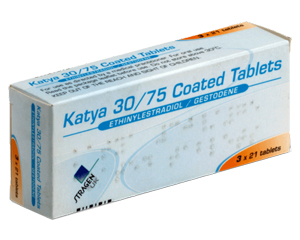
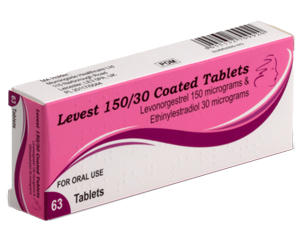
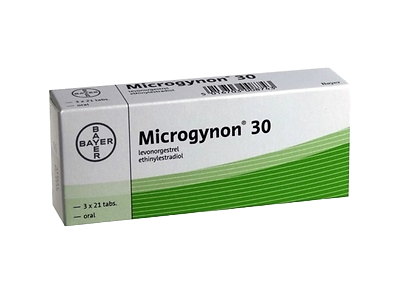
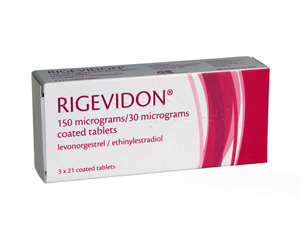
We have a broad spectrum of choices. The combined oral contraceptive pill (COCP) contains both oestrogen and progestogen. Brands like Microgynon 30 , Rigevidon , Ovranette , Levest , and Katya are excellent standard first-line choices.
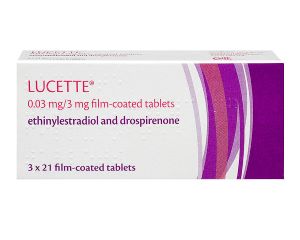
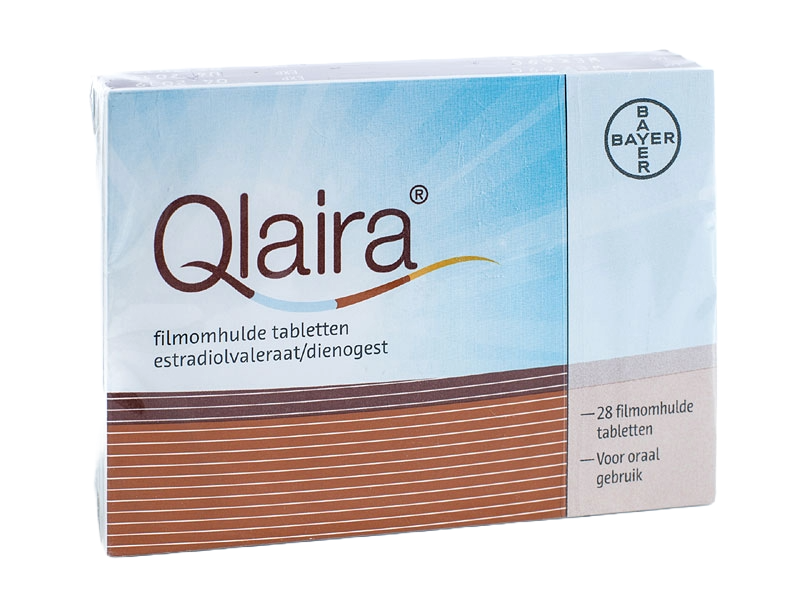
If you experience bloating or water retention, I might suggest Yasmin or Lucette , which use a different progestogen that acts as a mild diuretic. For women who prefer a phased approach that mimics the natural cycle, Logynon or Qlaira can be brilliant.
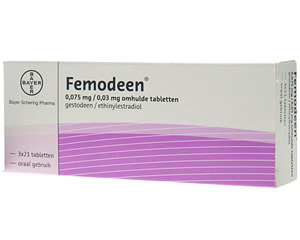
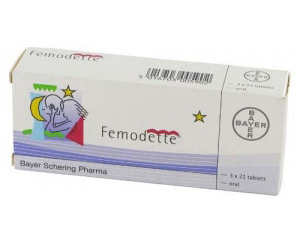
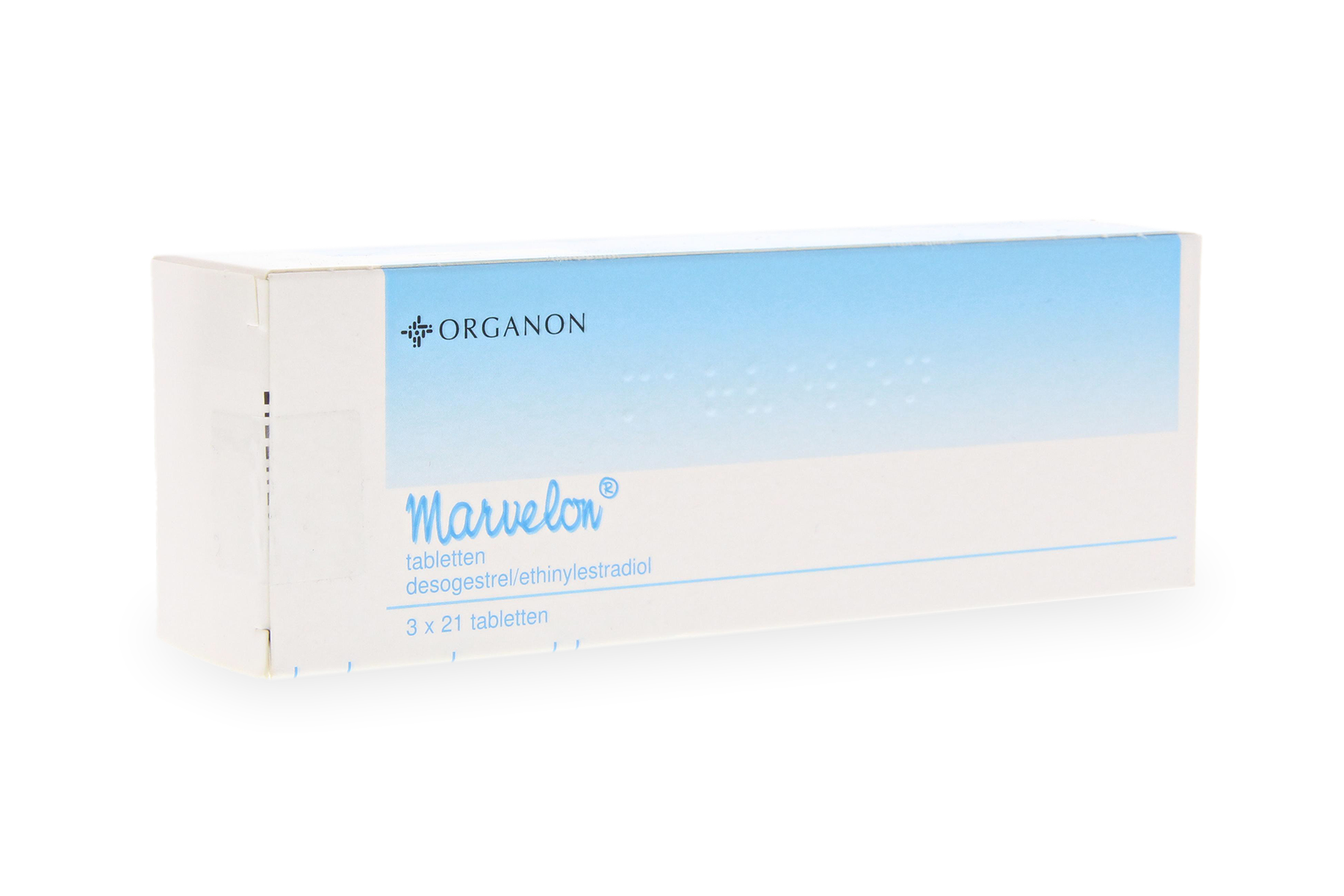
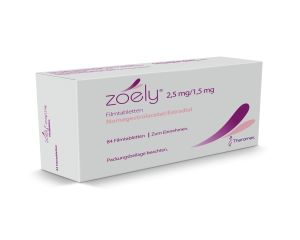
Other highly reliable combined pills include Marvelon , Mercilon , Femodene , Femodette , and the newer Zoely .
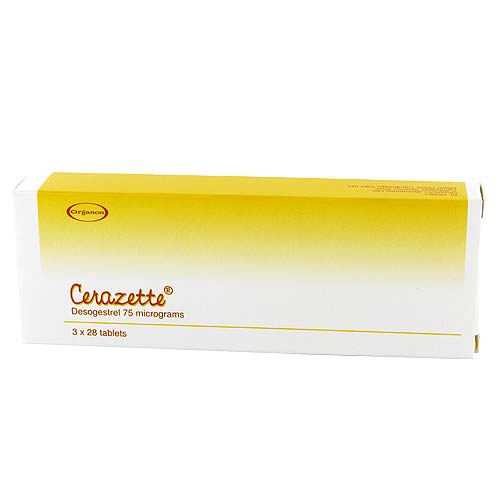
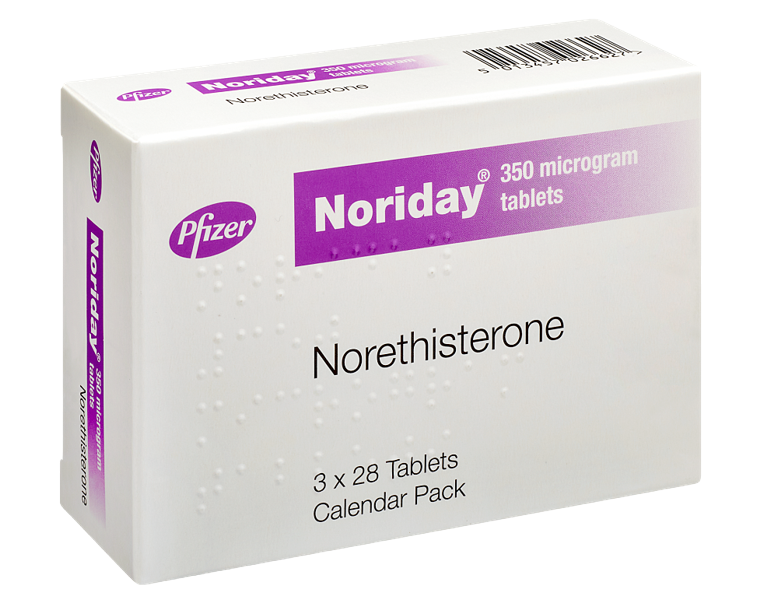
If you cannot take oestrogen (perhaps due to migraines with aura or a high BMI), the progestogen-only pill (POP) is ideal. Cerazette is my go-to because it offers a 12-hour missed pill window, unlike older POPs like Noriday which require strict 3-hour timing.
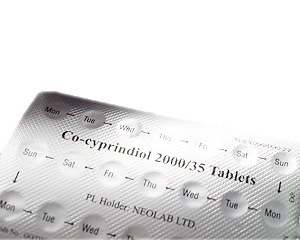
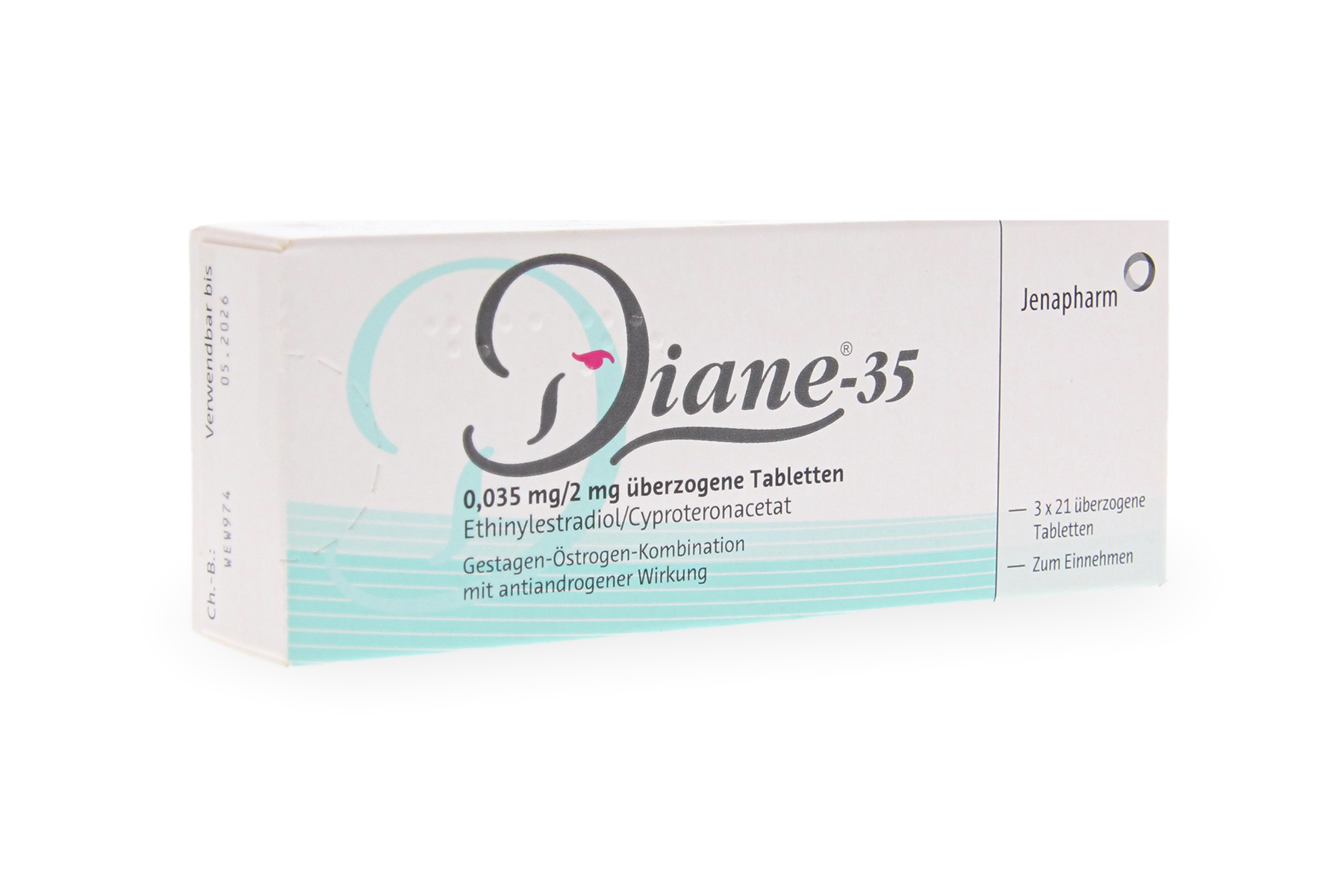
For severe acne or excess hair growth, Dianette and its generic equivalent Co-cyprindiol are highly effective, though they are prescribed specifically for skin conditions rather than solely for contraception.
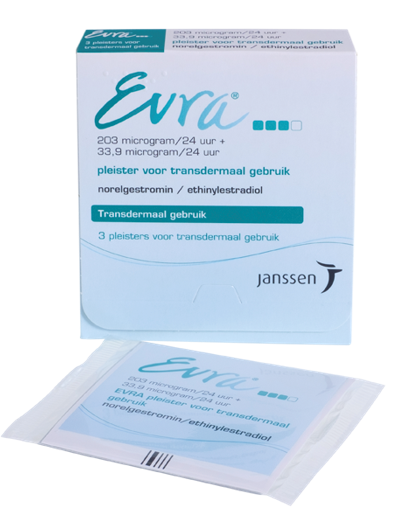
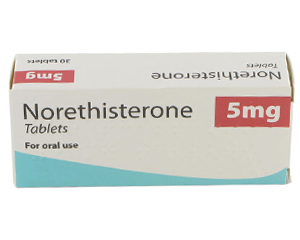
If remembering a daily pill is tricky, Evra Patches deliver hormones transdermally through the skin and only need changing weekly. Finally, if you just need to temporarily delay your period for a holiday, Norethisterone is a short-term option that works wonderfully.
What to expect from treatment
When starting any hormonal contraception, I ask my patients to commit to a three-month trial. During this window, mild breast tenderness, slight nausea, and breakthrough bleeding (spotting) are incredibly common.
Here is an insight rarely mentioned in standard leaflets: breakthrough bleeding doesn't mean the pill isn't working to prevent pregnancy; it simply means your womb lining is stabilizing under the new synthetic hormone levels.
By month four, these side effects almost always resolve completely.
Self-care and prevention
Contraceptive effectiveness relies heavily on your routine. A practical tip I give every patient: keep your pill packet next to your toothpaste, not hidden away in your makeup bag.
Tying the habit to an established daily routine drastically reduces the chance of missed pills.
Furthermore, clinical guidelines have updated in recent years. I now frequently advise my patients that taking the combined pill back-to-back (without the traditional 7-day break) is perfectly safe.
There is no health benefit to having a synthetic withdrawal bleed, and skipping the break reduces the risk of accidental pregnancy if you miss a pill, while also preventing painful period cramps.
Lastly, remember that severe vomiting or diarrhoea can prevent the hormones from being absorbed in your gut. If you have a stomach bug, treat it as a missed pill and use barrier methods until you are fully recovered.