Diabetes Treatment Guide
Available treatment options
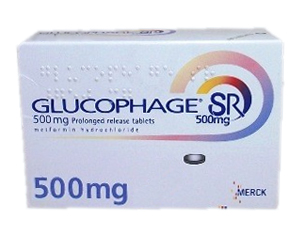
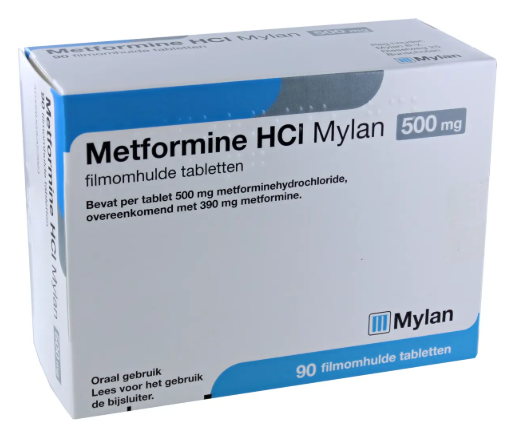
When it comes to medication, we have an excellent toolkit. I almost always start patients on Metformin (often prescribed under the brand name Glucophage ). It has been around for decades, is highly effective, and doesn't cause weight gain.
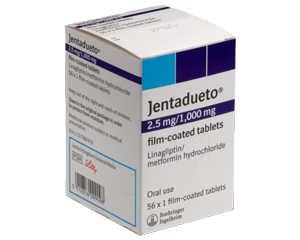
My clinical trick? Don't just take it 'with food'—take it exactly halfway through your largest meal to drastically reduce the common stomach upset. If Metformin isn't enough, we might add combination tablets like Competact , Jentadueto , or Janumet , which combine Metformin with other medications to help your pancreas release more insulin or help your kidneys excrete excess sugar.
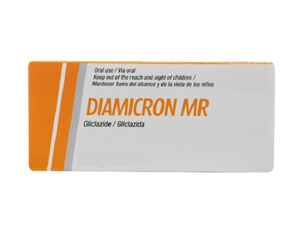
For patients needing a different approach, sulphonylureas like Diamicron stimulate insulin production, though I warn patients it can cause mild weight gain and requires monitoring for low blood sugar.
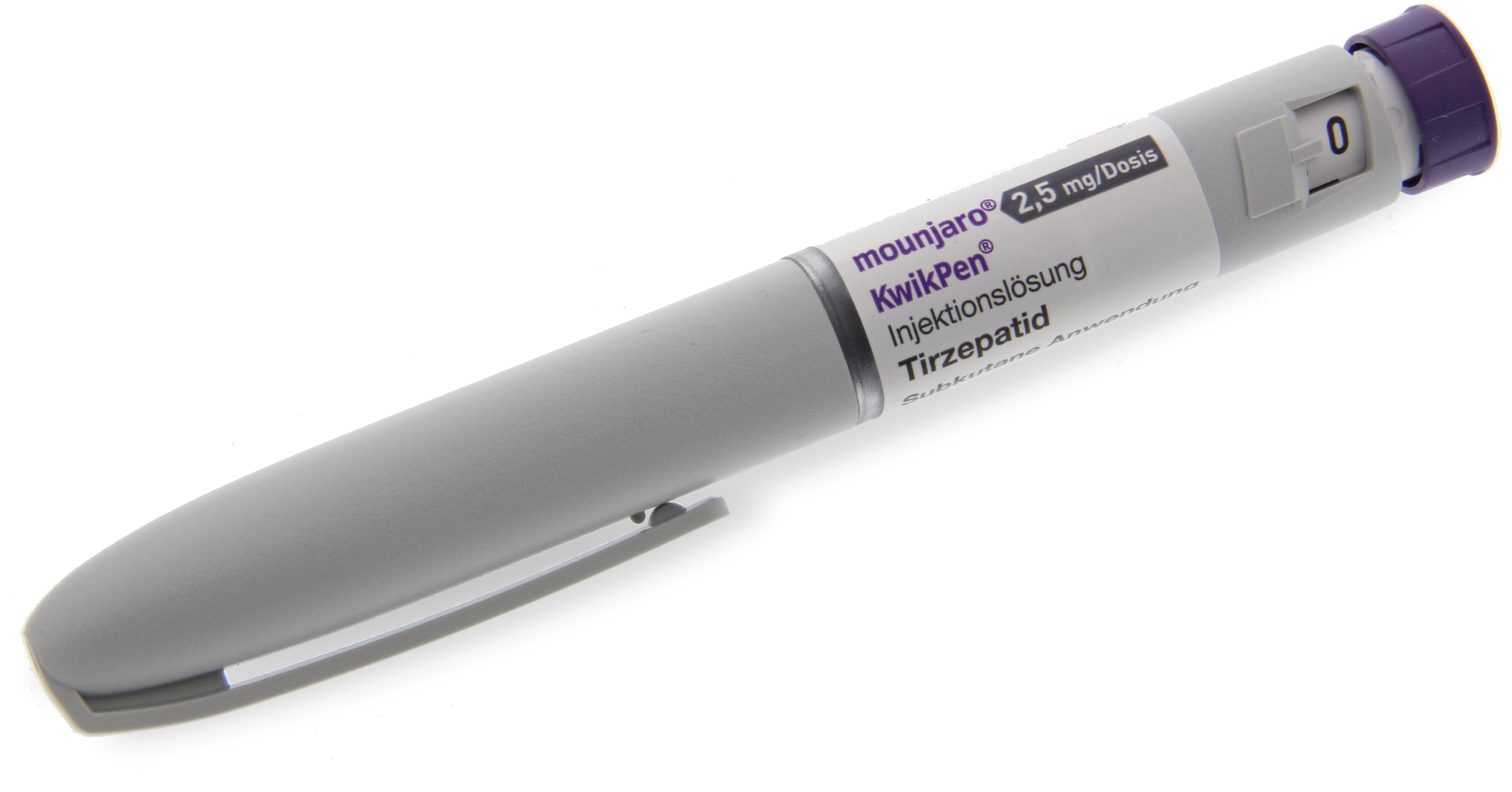
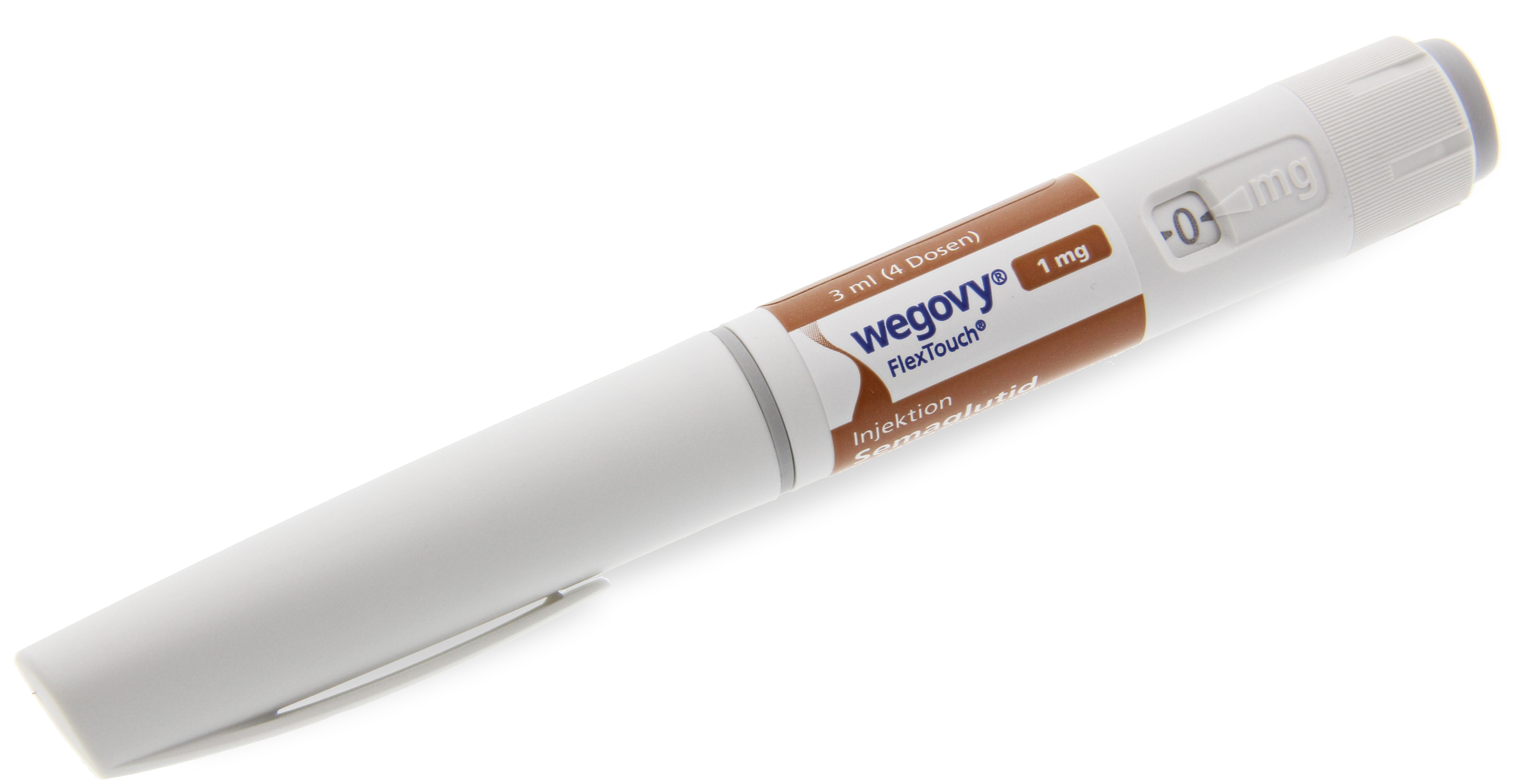
Recently, the game-changers in my practice have been injectable GLP-1 and GIP receptor agonists like Mounjaro and Wegovy . While Wegovy is primarily licensed for weight loss, its mechanism profoundly benefits metabolic health, and Mounjaro is revolutionizing type 2 diabetes care by addressing both blood sugar and weight simultaneously.
Finally, because diabetes affects your blood vessels, I frequently prescribe blood pressure medications like Irbesartan to protect your kidneys from long-term damage—even if your blood pressure isn't drastically high.
What to expect from treatment
Starting a new diabetes medication is a marathon, not a sprint. With Metformin, it takes about two to three weeks for the medication to build up in your system and start consistently lowering your blood sugar.
With injectables like Mounjaro, patients often notice a reduction in appetite within days, but the full blood sugar benefits are measured over months. A common source of anxiety I see in my patients is the 'dawn phenomenon'.
Many patients wake up, test their blood sugar, and panic because it is high, despite eating well the day before. I always reassure them: fasting morning blood sugars are typically the very last readings to normalize during treatment.
Your liver naturally dumps sugar into your blood to wake you up. Focus on your post-meal readings first; the morning numbers will eventually follow.
Self-care and prevention
Medication is only half the puzzle; your daily habits are the foundation of diabetes management. Diet and exercise are crucial, but I prefer to give my patients actionable, realistic advice rather than vague instructions to 'eat better'.
For example, the order in which you eat your food matters. Eating your vegetables and proteins first, and leaving the carbohydrates for the end of the meal, can reduce your post-meal blood sugar spike by up to 30%.
Furthermore, rather than committing to exhausting gym sessions, try taking a brisk 10-minute walk immediately after your largest meal. In my clinical experience, using your muscles while the glucose is actively entering your bloodstream is significantly more effective at blunting a sugar spike than a 30-minute walk on an empty stomach.
Small, strategic changes often yield the most sustainable results.