Comprehensive Treatment Guide for Eczema & Dermatitis
Available treatment options
The cornerstone of medical treatment for flare-ups is topical corticosteroids, which calm the immune response. I always tailor the potency to the severity of the flare and the body area affected.
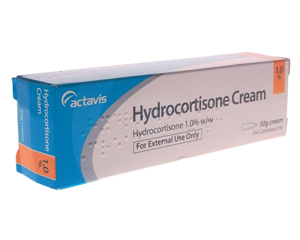
For mild flare-ups, particularly on the face or delicate areas, I typically start with mild steroids like Hydrocortisone or Mildison Lipocream .
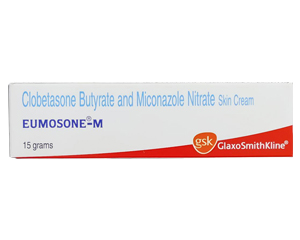
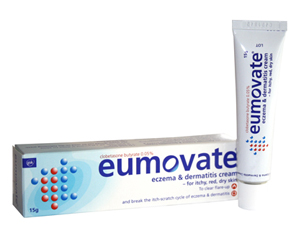
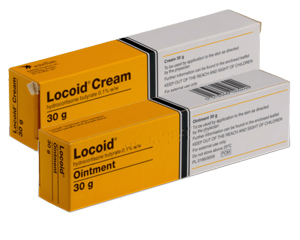
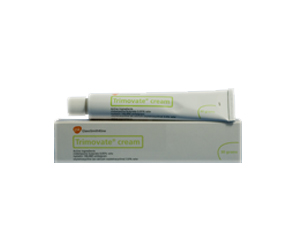
If the inflammation is more stubborn, we move to moderate options such as Eumovate (which contains Clobetasone Butyrate ), Locoid , or Trimovate Cream (which is particularly useful when we suspect a mild fungal or bacterial overlay).
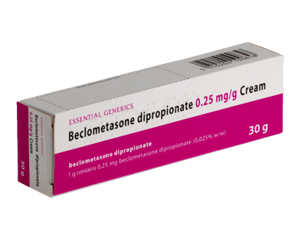
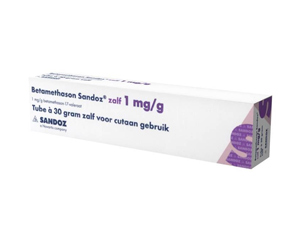
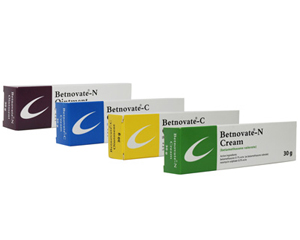
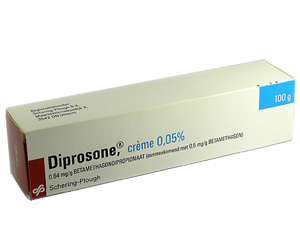
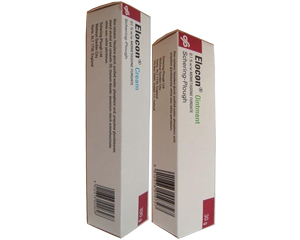
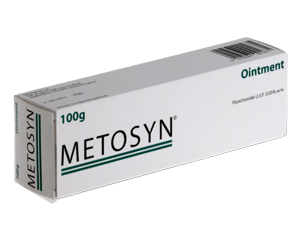
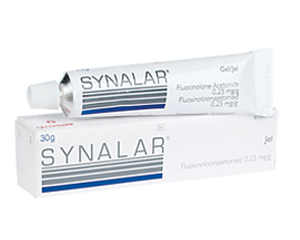
For severe flares on the body, potent steroids are necessary. My frequent prescriptions here include Betnovate (containing Betamethasone ), Diprosone , Elocon , Metosyn , Beclometasone , and Synalar .
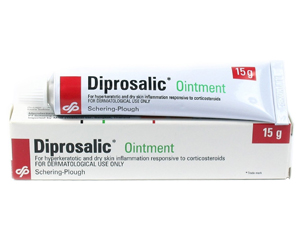
Sometimes, we need specialized formulations. If a patient has thick, scaly plaques (often seen on the scalp or knees), Diprosalic is fantastic because it contains salicylic acid to break down the scale, allowing the steroid to penetrate.
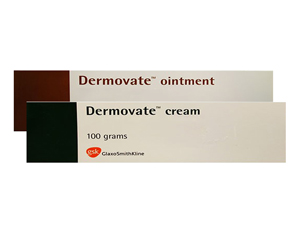
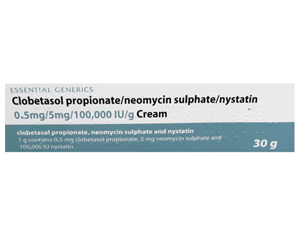
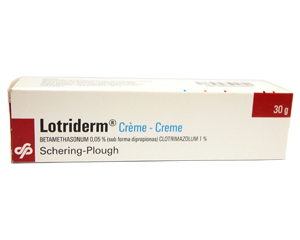
If a severe infection is present, combination treatments like Lotriderm or Dermovate-NN are highly effective. Finally, for the most resilient, severe patches (like on the soles of feet), a very potent steroid like Dermovate is used for short bursts.
A clinical pearl regarding these options: I almost always prefer prescribing ointments over creams for dry eczema. While creams vanish nicely, ointments trap moisture far better and contain fewer preservatives, meaning they are much less likely to sting when applied to broken skin.
What to expect from treatment
When using topical steroids correctly, you should expect a significant reduction in itching within 24 to 48 hours, with redness and swelling subsiding over 3 to 7 days.
However, "steroid phobia" is incredibly common. Patients often stop using their prescribed cream after just two days because the skin looks a bit better, only for the flare to return fiercely a day later.
My rule of thumb for patients is: continue applying the steroid for 48 hours after the skin feels completely smooth to the touch, not just when the redness fades.
The inflammation sits deep beneath the surface, and stopping too early is the number one reason I see patients stuck in a continuous loop of recurring flare-ups.
Self-care and prevention
Medication puts out the fire, but self-care prevents the next spark. Your daily routine must revolve around aggressive moisturization using medical-grade emollients. You should be applying these at least twice a day, and ideally within three minutes of stepping out of a lukewarm (never hot) shower to lock in moisture.
Here is an insight that surprises many of my patients: how you apply your moisturizer matters just as much as what you apply. Never rub emollients into your skin in a circular motion.
This can block the hair follicles and cause an itchy, spotty infection called folliculitis . Always stroke the moisturizer gently into the skin in a downward motion, following the direction of hair growth.