GP's Guide to Treating Fungal Infections
Available treatment options
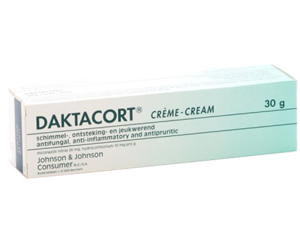
There is no one-size-fits-all approach, and I always tailor the treatment to the specific site and severity of the infection. For simple, localized skin rashes with severe itching, I often recommend a combination cream like Daktacort (miconazole and hydrocortisone) to soothe inflammation while killing the fungus.
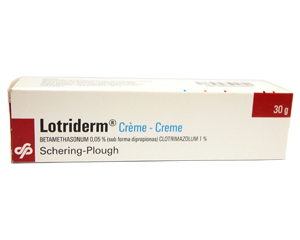
If the inflammation is severe, especially in thick-skinned areas, Lotriderm offers a stronger steroid combined with an antifungal, though I only prescribe this for short bursts.
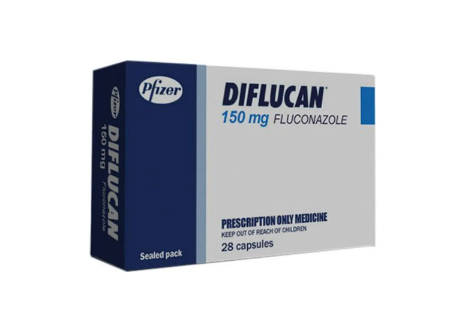
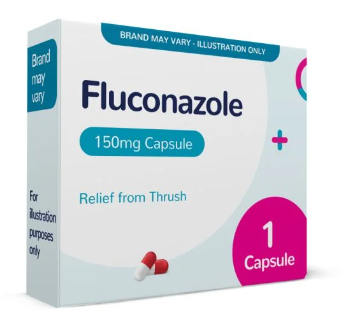
For persistent vaginal thrush or widespread skin infections, oral Fluconazole (the active ingredient in the branded Diflucan capsule) is my go-to. Treating the infection from the inside out is often more effective and convenient than using messy creams.
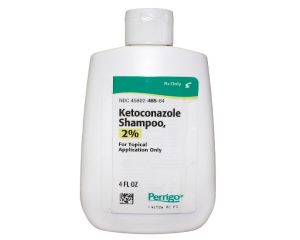
For scalp conditions like dandruff or seborrhoeic dermatitis, Ketoconazole Shampoo works wonders. My clinical pearl here: you must leave it on the scalp for a full 5 minutes before rinsing—a crucial step most patients miss!
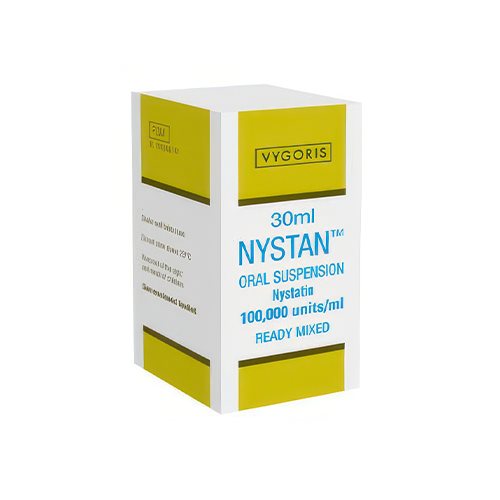
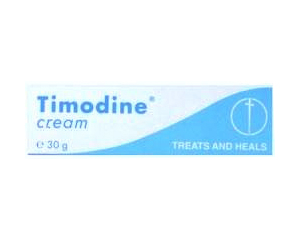
For oral or intestinal candida, Nystatin drops are excellent because they act locally and aren't absorbed into the bloodstream. Finally, for severe nappy rash or sweat rashes under the breasts where bacterial co-infection is a high risk, Timodine is a fantastic multi-action cream I frequently prescribe.
What to expect from treatment
The biggest mistake I see in my practice is patients stopping their cream the exact day the itch stops. Fungal spores are incredibly resilient. You must continue applying topical creams for at least 7 to 14 days after the skin looks completely normal to prevent an immediate relapse.
If you take an oral capsule like Fluconazole, you might not feel complete relief for 24 to 48 hours, so I often advise using a soothing emollient in the meantime.
Most superficial skin infections clear within two to four weeks, but be prepared for a longer journey if treating a fungal nail.
Self-care and prevention
Medication is only half the battle; environmental control is the other. Fungi easily survive a standard 30°C eco-wash, so I always advise my patients to wash their towels, socks, and underwear at 60°C during an active infection.
Drying yourself thoroughly is paramount, especially between the toes and in skin folds. One of my favorite practical tips is to use a hairdryer on a cool setting for those hard-to-reach damp areas before getting dressed.
Finally, wear breathable cotton or moisture-wicking fabrics, and try to alternate your footwear so your shoes have a full 24 hours to dry out between uses.