Gout Treatment Guide
Available treatment options
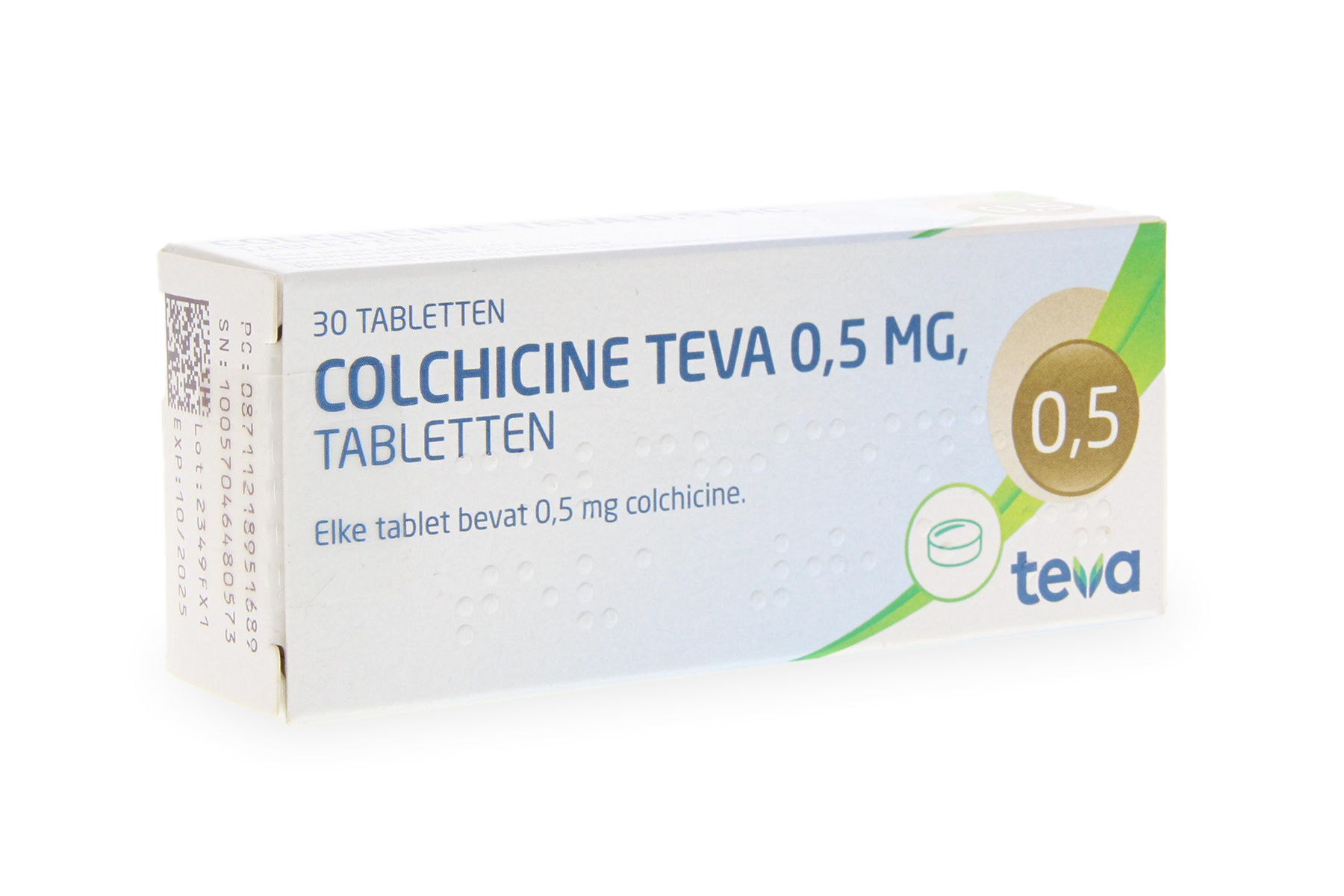
Treatment is divided into two phases: putting out the fire (acute relief) and fireproofing the house (prevention). For acute flares, I often recommend Colchicine , a highly effective medication derived from the autumn crocus.
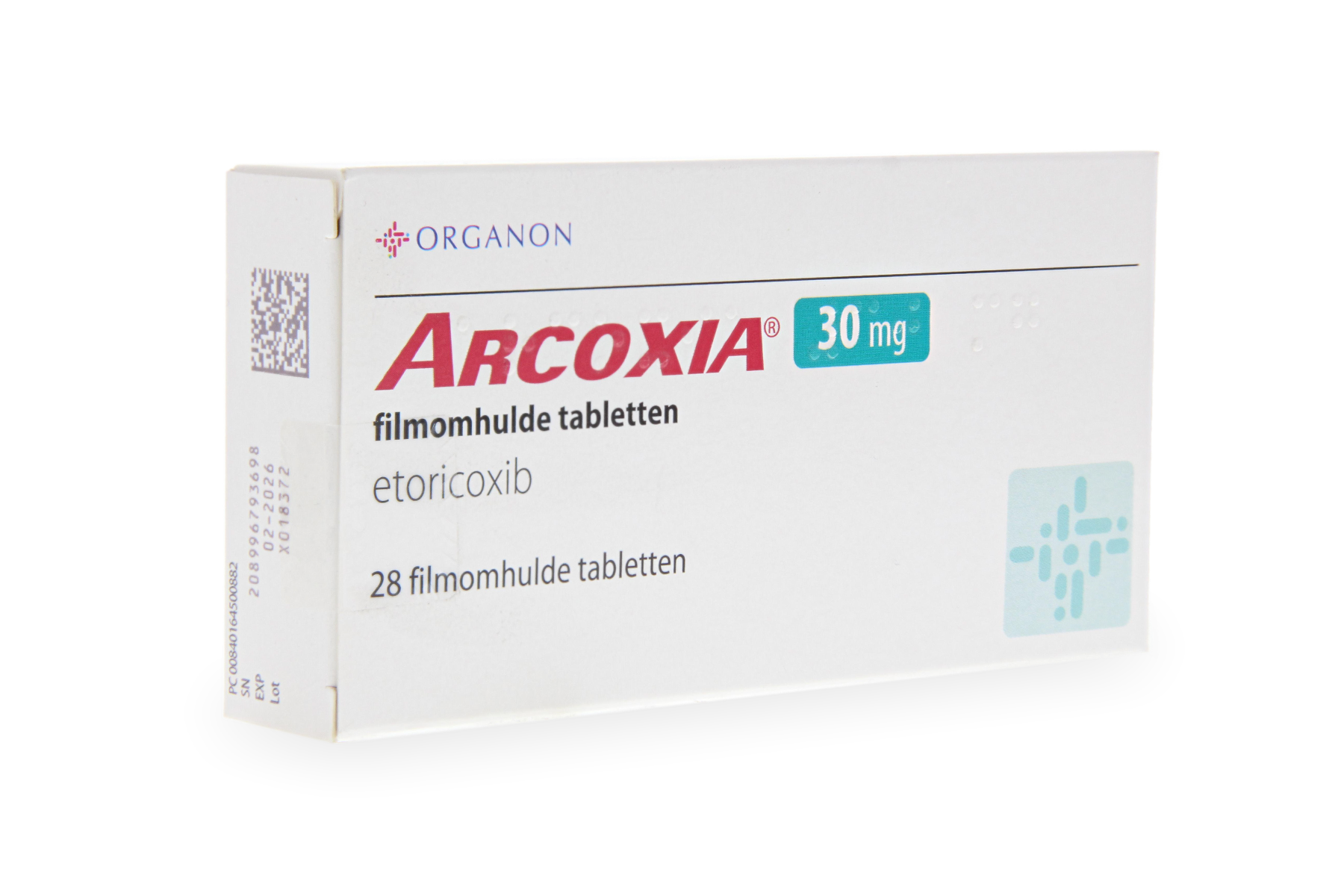
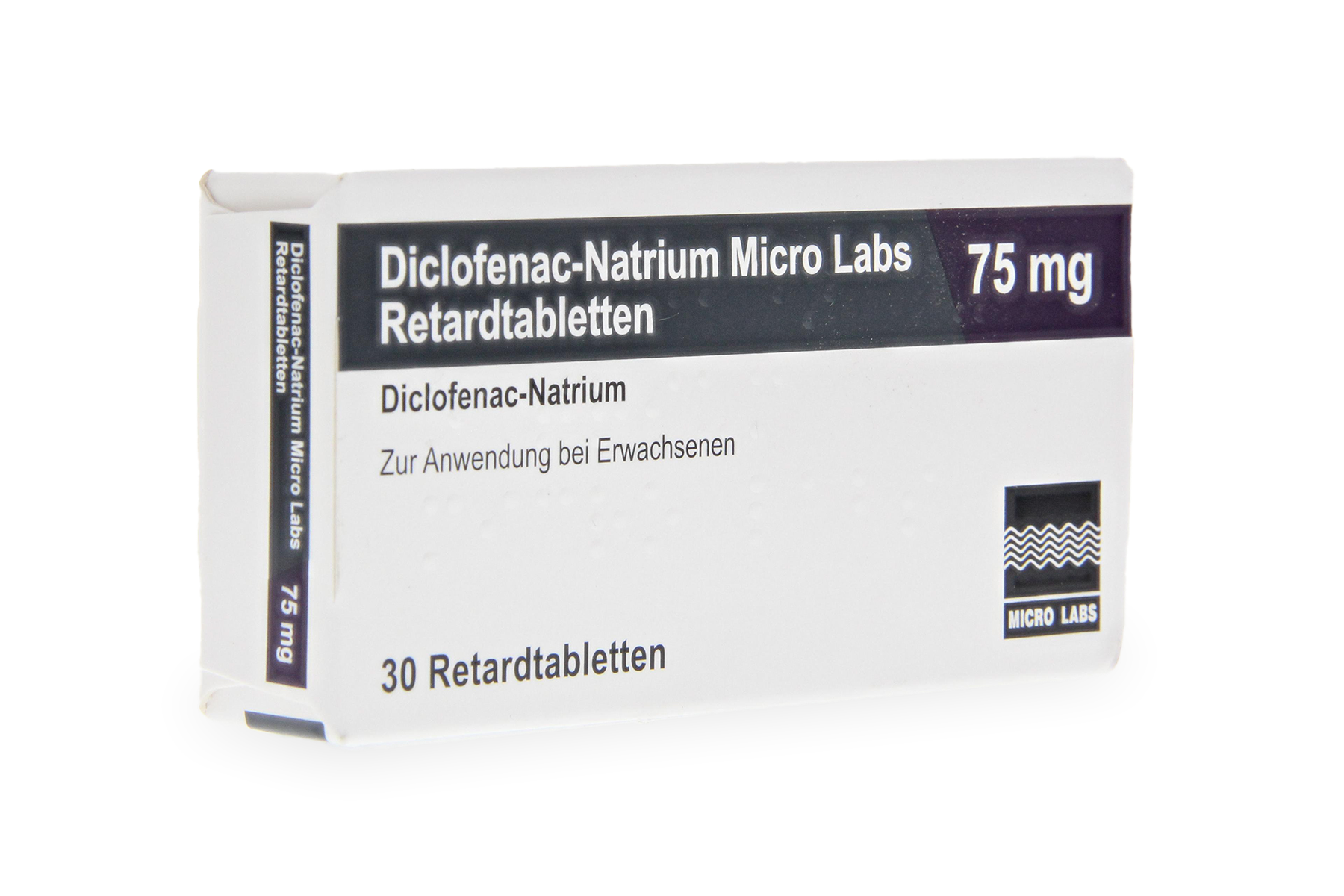
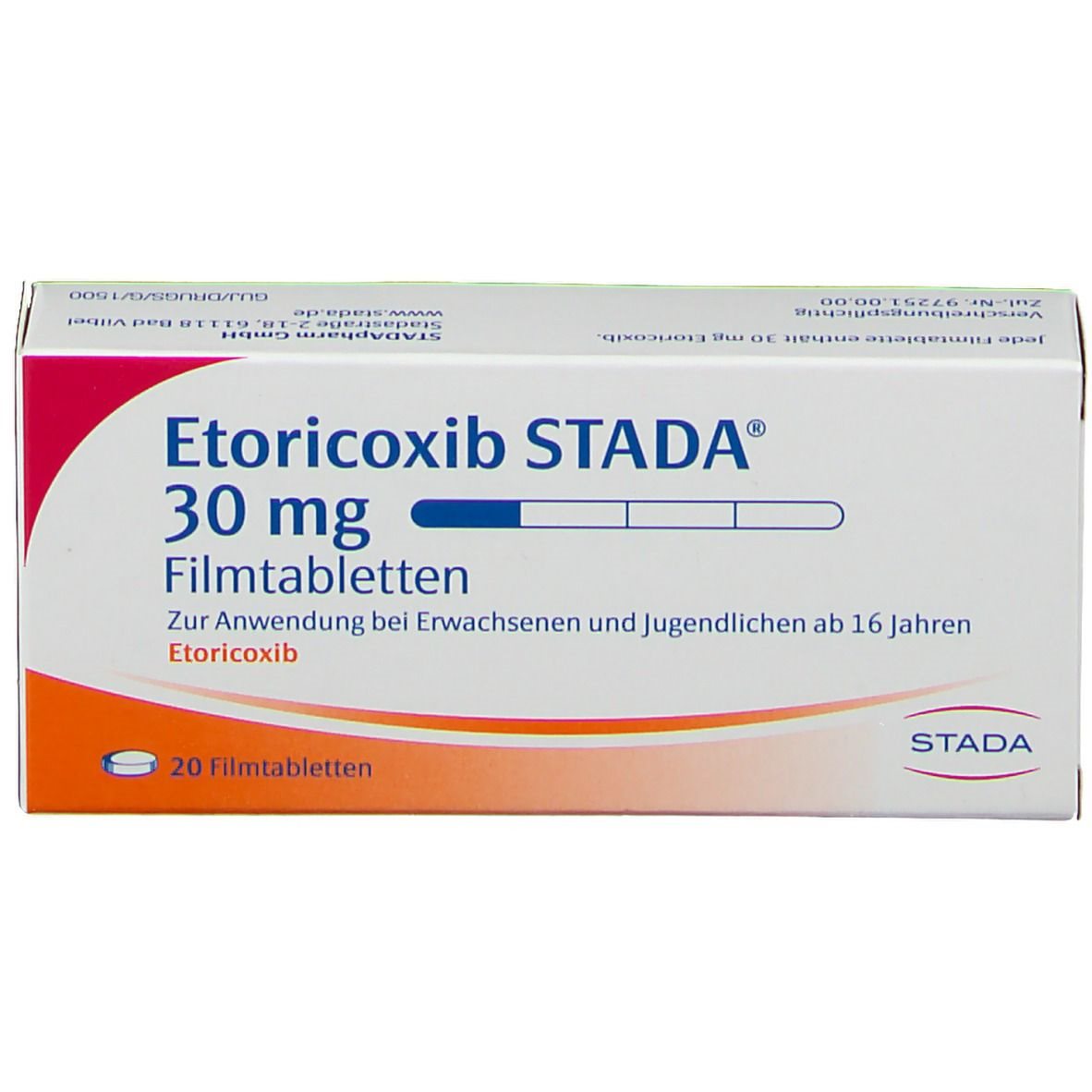
It works best when taken early, though I always warn patients to stick strictly to the prescribed dose to avoid stomach upset. Alternatively, strong anti-inflammatories like Diclofenac , Etoricoxib , or its branded version Arcoxia are excellent for rapid pain relief, provided your kidney function and blood pressure are healthy.
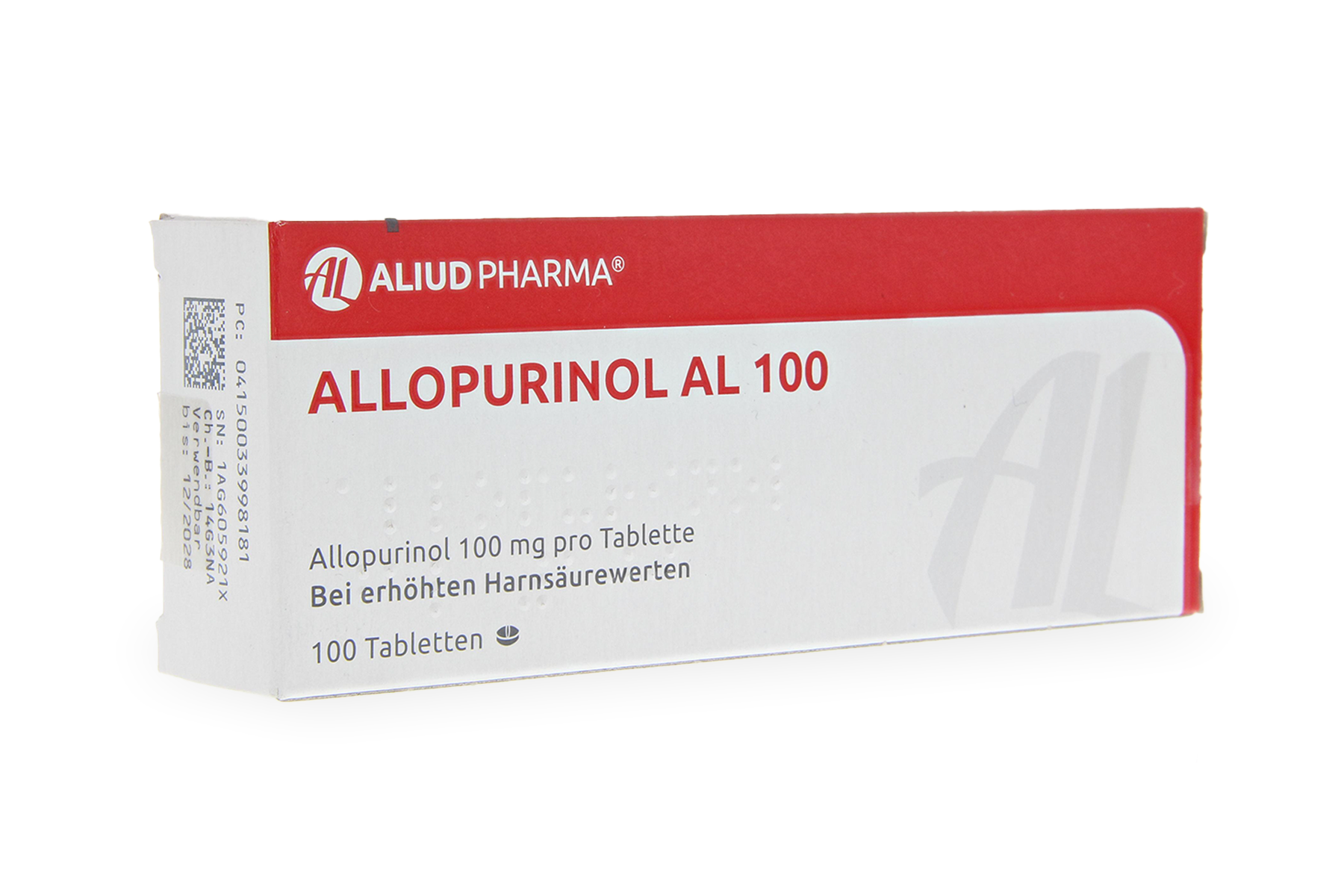
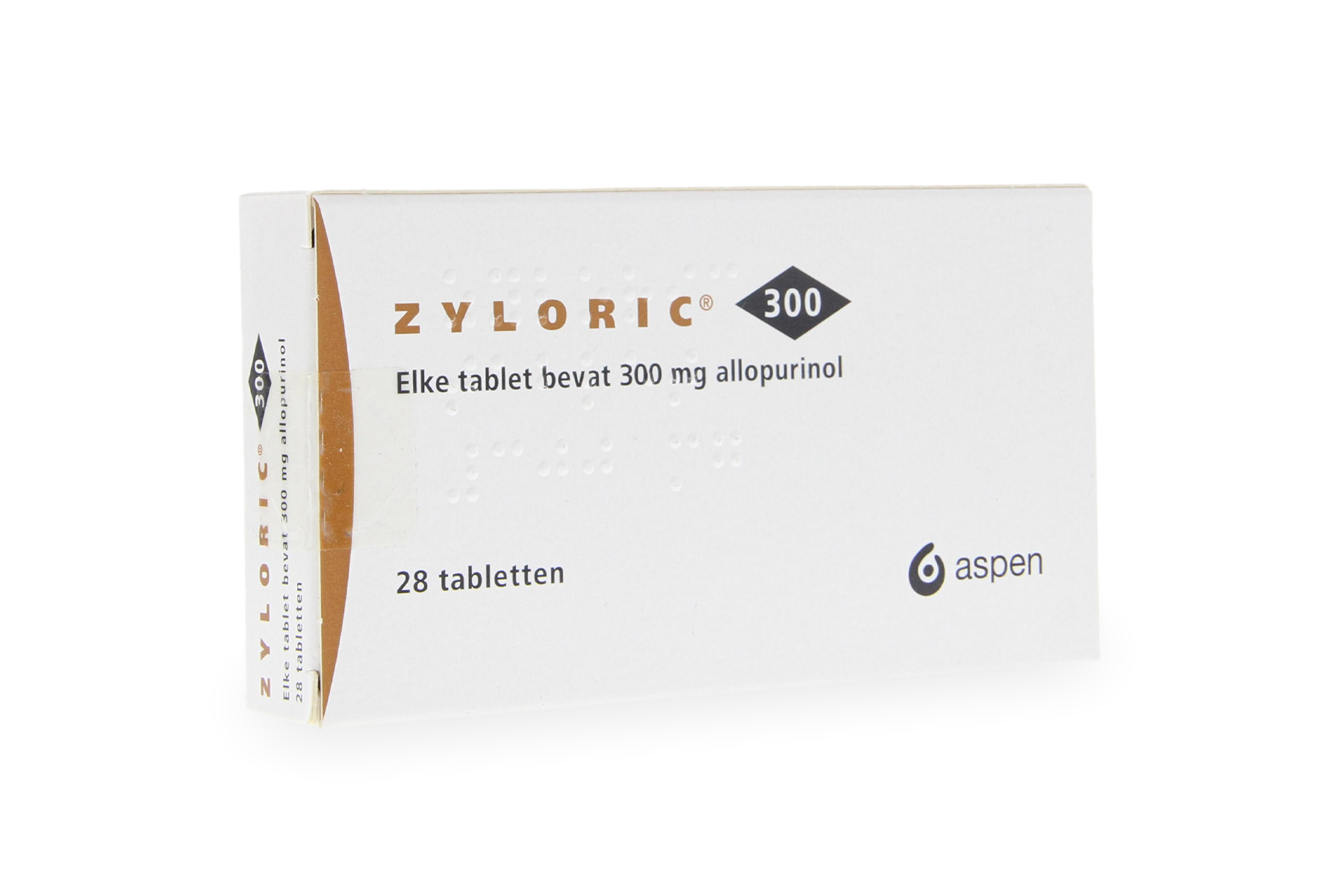
For long-term prevention, Allopurinol (also available as the brand Zyloric ) is my gold-standard first-line treatment. It lowers uric acid production. A crucial clinical insight I share is to never start Allopurinol during an acute attack, as it can worsen the flare.
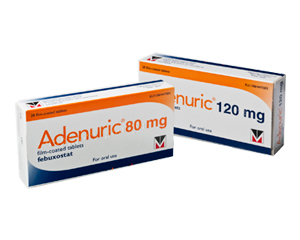
We usually wait a few weeks after the pain subsides. If you cannot tolerate Allopurinol, Adenuric (febuxostat) is a very effective alternative that I prescribe for patients who need different metabolic processing.
What to expect from treatment
When treating an acute attack with NSAIDs or Colchicine, you should expect significant pain reduction within 48 hours. However, the journey with preventative treatments like Allopurinol requires patience.
A common phenomenon that catches patients off guard is the 'paradoxical flare'. When you first start lowering your uric acid, the old crystals in your joints begin to dissolve and shift, which can actually trigger a gout attack.
This is completely normal and means the medication is working. I almost always co-prescribe a low dose of Colchicine or an NSAID for the first few months to act as a shield while your body clears out the crystal deposits.
Self-care and prevention
While medication does the heavy lifting, lifestyle tweaks are your secret weapon. Everyone knows about avoiding purine-rich foods like organ meats and shellfish, but in my practice, the biggest hidden culprit is fructose—particularly high-fructose corn syrup found in sweetened beverages.
Fructose accelerates uric acid production faster than many foods. Furthermore, dehydration is a massive trigger. Uric acid concentrates in your blood overnight while you sleep, which is why attacks often start at 2 AM.
A practical tip I give all my gout patients is to drink a large glass of water right before bed, and keep a glass on the nightstand. Keeping your kidneys flushing overnight significantly reduces your risk of waking up in agony.
Additionally, gradual weight loss is beneficial, but I always warn against crash dieting—fasting or rapid weight loss actually spikes uric acid levels and can trigger a severe attack.
Slow, steady lifestyle changes are the most effective.