Hair Loss Treatment Guide
Available treatment options
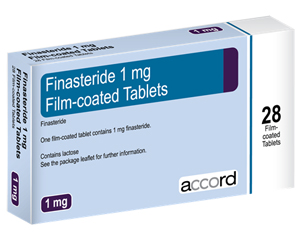
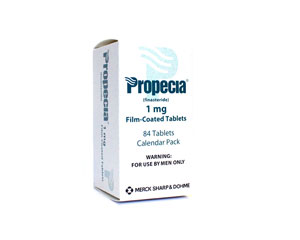
When it comes to treating male pattern baldness, the frontline approach involves blocking DHT. Finasteride is the generic, highly effective daily tablet I typically recommend first. It is also available under the well-known brand name Propecia .
Both contain the exact same active ingredient and work by blocking the enzyme that converts testosterone into DHT.
Some patients ask me about Finasteride Proscar , which is a 5mg version of the drug originally licensed for enlarged prostates. While some men try to save money by quartering these pills off-label for hair loss, I strongly caution against this.
The active ingredient is not always evenly distributed in the tablet matrix, meaning you can get fluctuating daily hormone levels which leads to suboptimal hair retention.
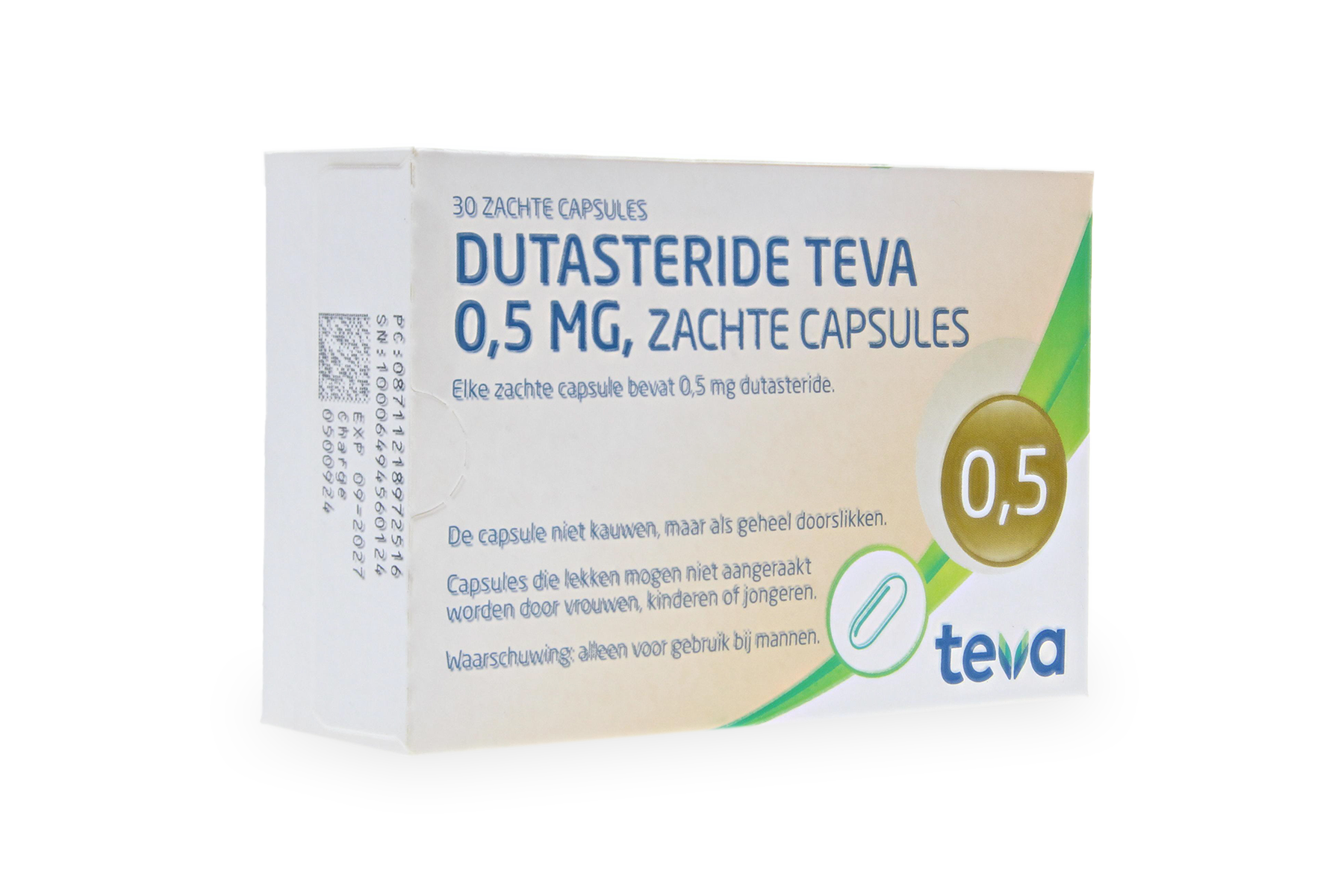
If a patient has been on Finasteride for a year but their hair loss continues, we might discuss Dutasteride . This is a more potent medication that blocks two types of the DHT-producing enzyme rather than just one.
It is highly effective but comes with a slightly different side-effect profile that we must monitor.
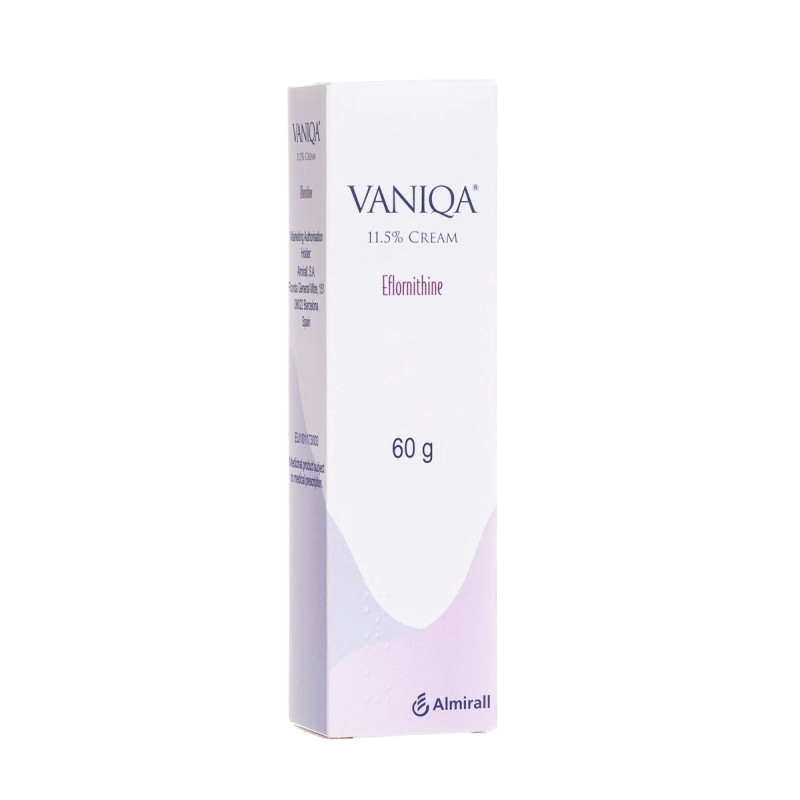
Finally, it is important to mention Vaniqa (eflornithine). Patients browsing hair treatments often see this and get confused. Vaniqa is a topical cream prescribed exclusively for women to slow down unwanted facial hair growth ( hirsutism ).
It works directly on the enzymes in the facial hair follicle and is not a scalp hair loss treatment.
What to expect from treatment
Setting realistic expectations is the most important part of my consultation. Hair grows slowly—roughly 1cm per month. Therefore, you will not see overnight results. The first three months of treatment are about stabilising the loss.
You will likely only see visible thickening or regrowth between months six and twelve.
Here is a crucial clinical pearl: the 'shedding phase'. I always warn my patients that they might actually lose more hair during the first four to six weeks of taking DHT blockers.
This is not the medication failing; it is the follicles resetting. The medication forces resting hairs out to make way for a new, healthier growth cycle. If you aren't warned about this, you might panic and stop the medication right when it is starting to work.
Self-care and prevention
While medication addresses the hormonal root cause, the environment of your scalp matters immensely. Chronic scalp tension and inflammation restrict blood flow and oxygen to the follicles. Beyond medication, I advise my patients to incorporate a four-minute daily scalp massage.
Clinical studies have shown that mechanical stretching of the dermal papilla cells at the base of the follicle alters gene expression, encouraging thicker hair shafts. Furthermore, ensure your diet is rich in Vitamin D, Ferritin (stored iron), and Zinc, as deficiencies in these specific micronutrients can exacerbate shedding regardless of your genetics.