Heart Failure Treatment Guide
Available treatment options
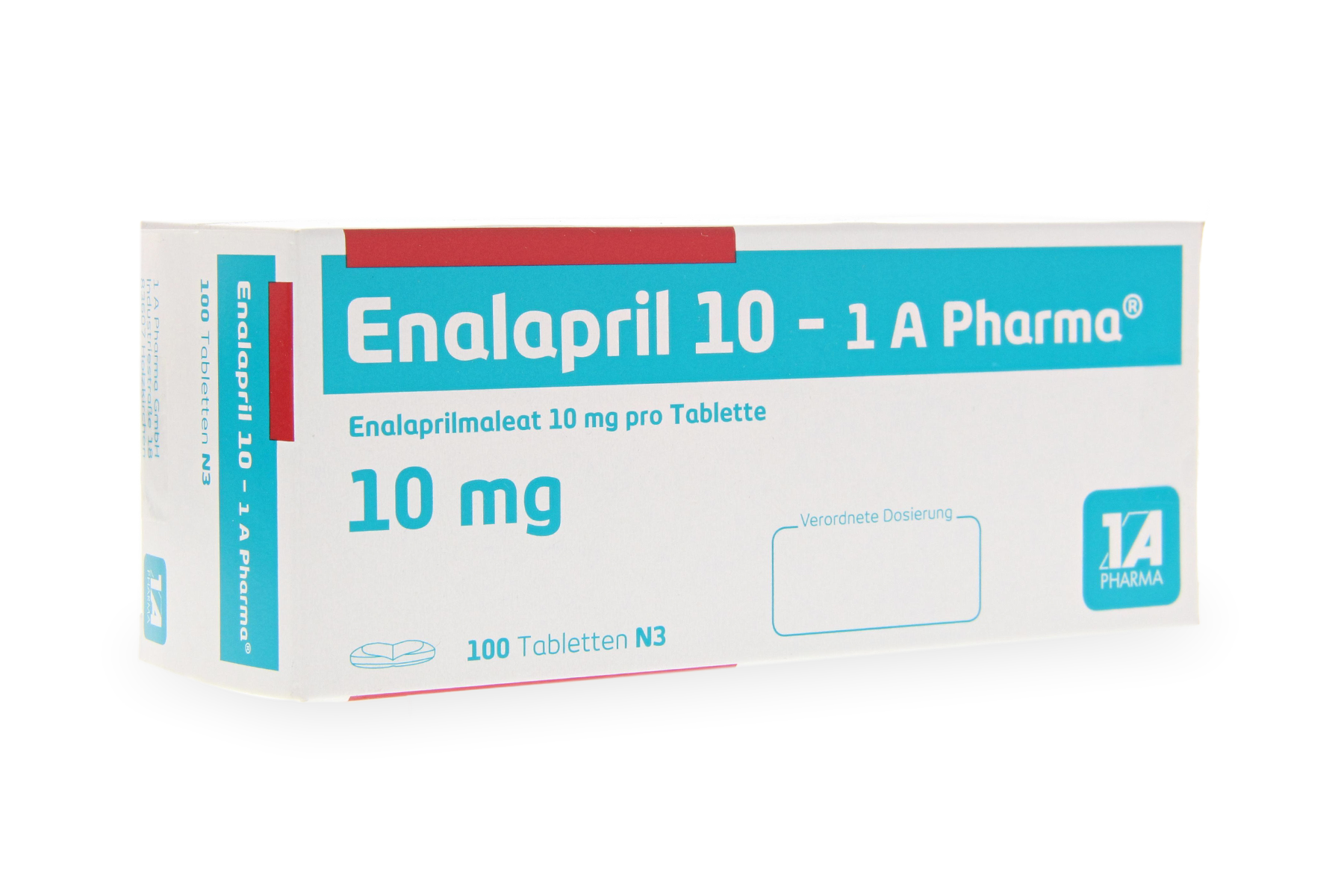
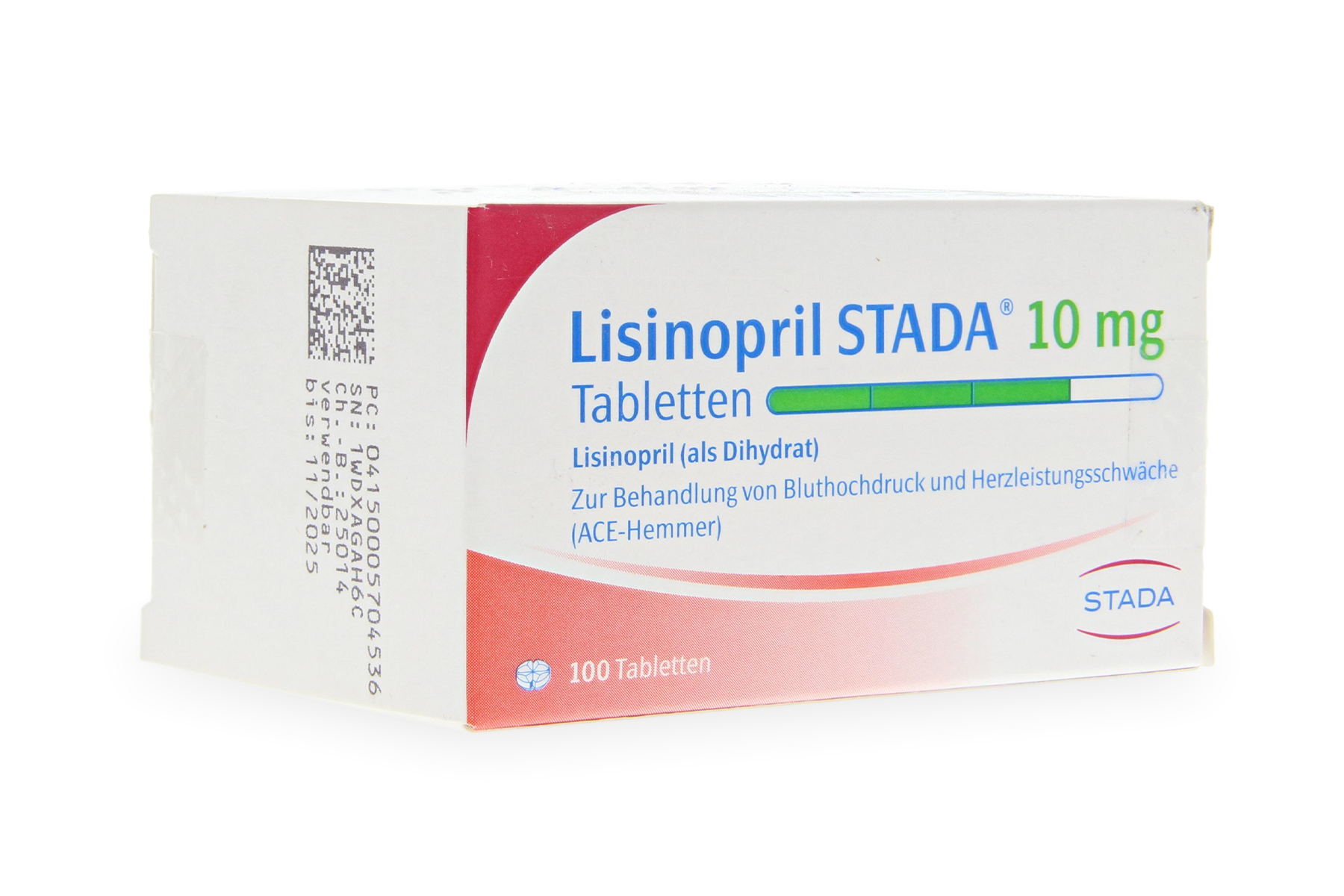
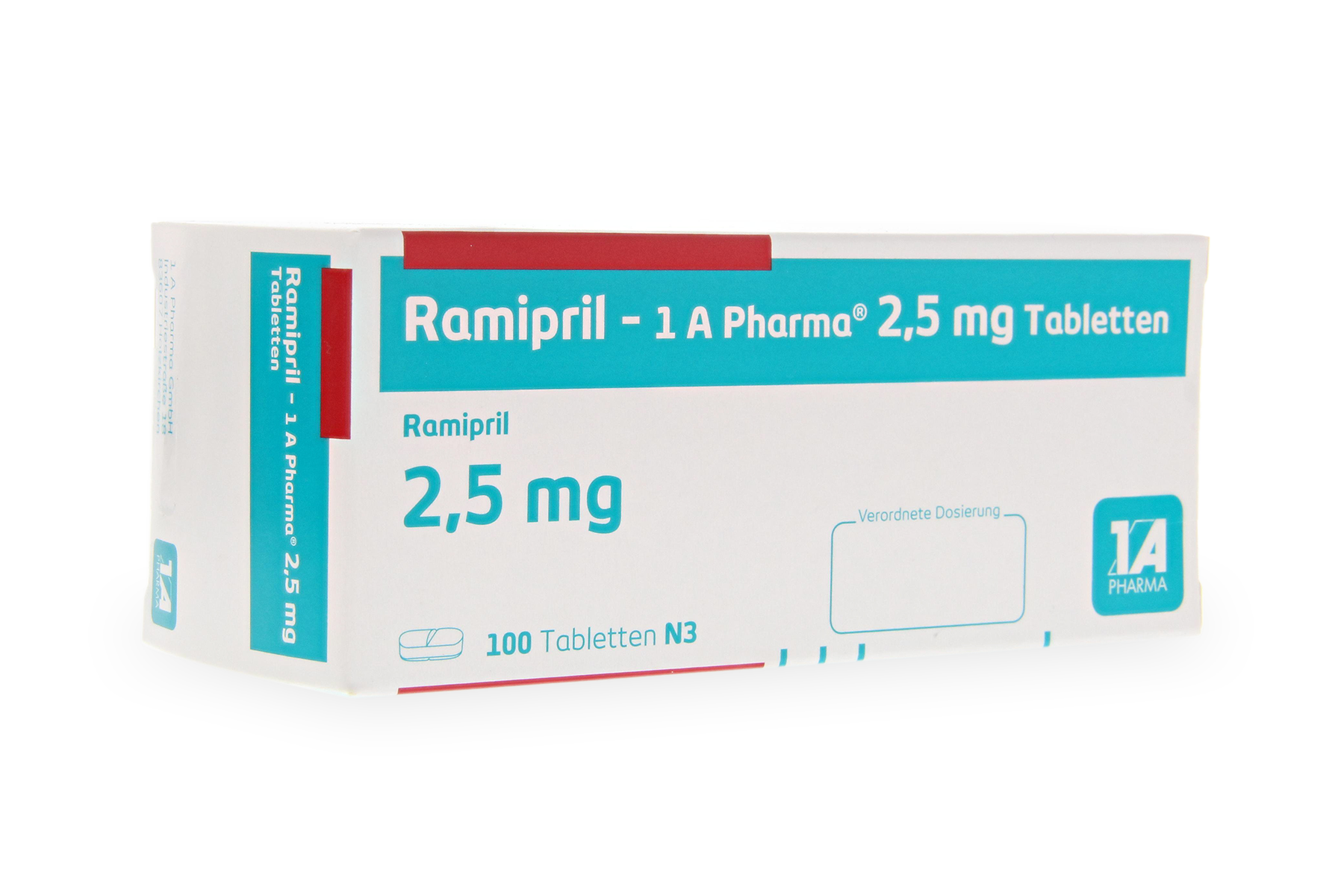
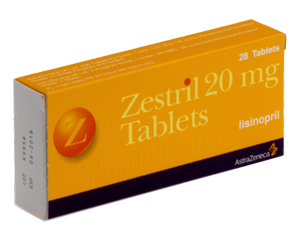
We use a "four pillars" approach to heart failure medication to help you live longer and feel better. First, ACE inhibitors like Ramipril , Enalapril , Lisinopril , or Perindopril (often known by the brand name Zestril ) relax your blood vessels to reduce the strain on your heart.
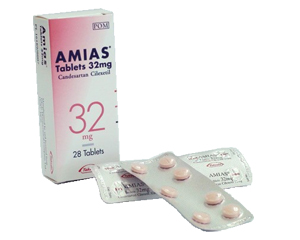
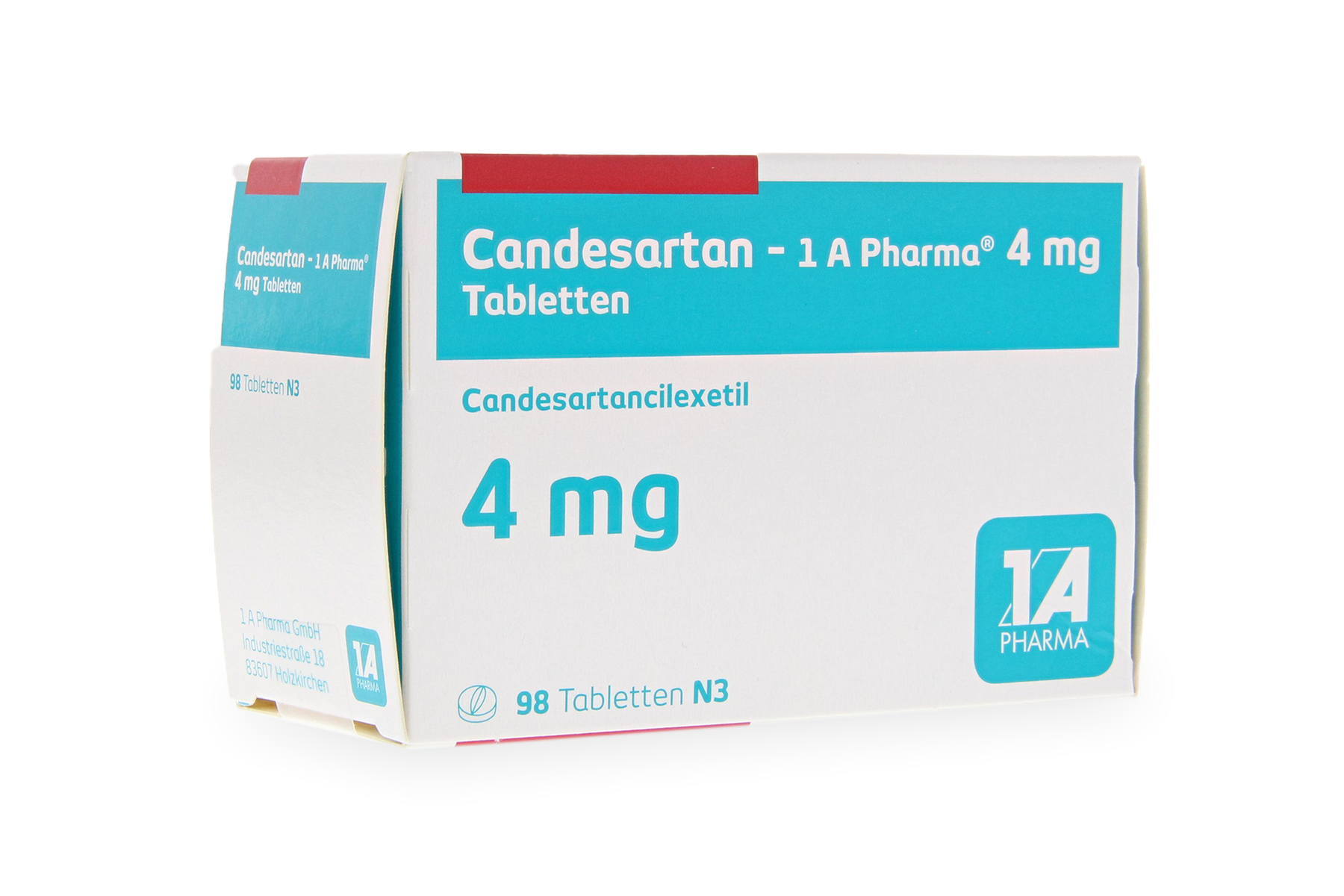
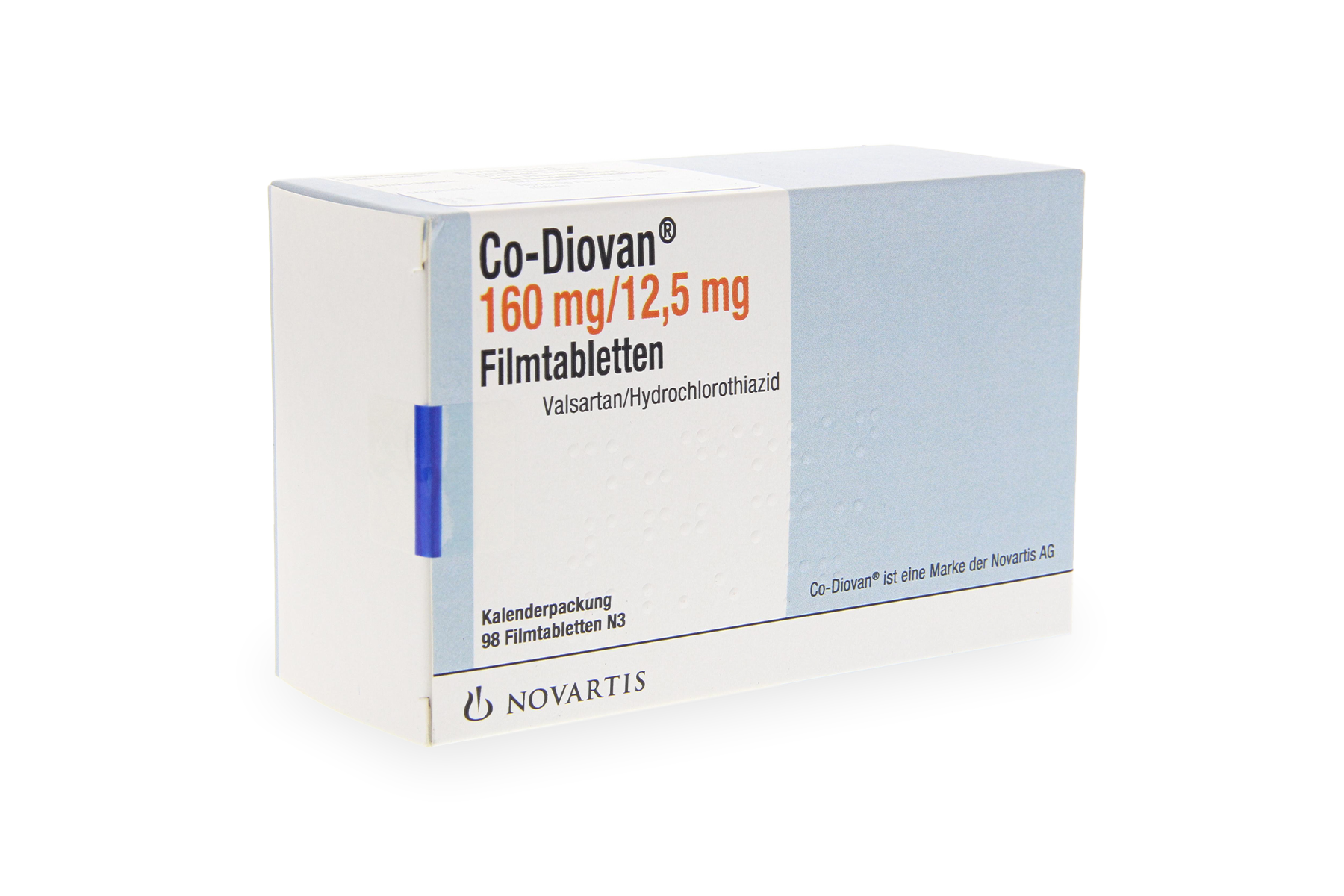
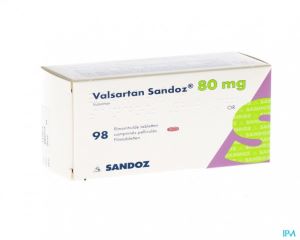
If you develop a tickly, dry cough from these—a common quirk I see frequently—I will usually switch you to an Angiotensin Receptor Blocker (ARB) like Candesartan (also available as Amias ), Valsartan , or a combination tablet like Co-Diovan .
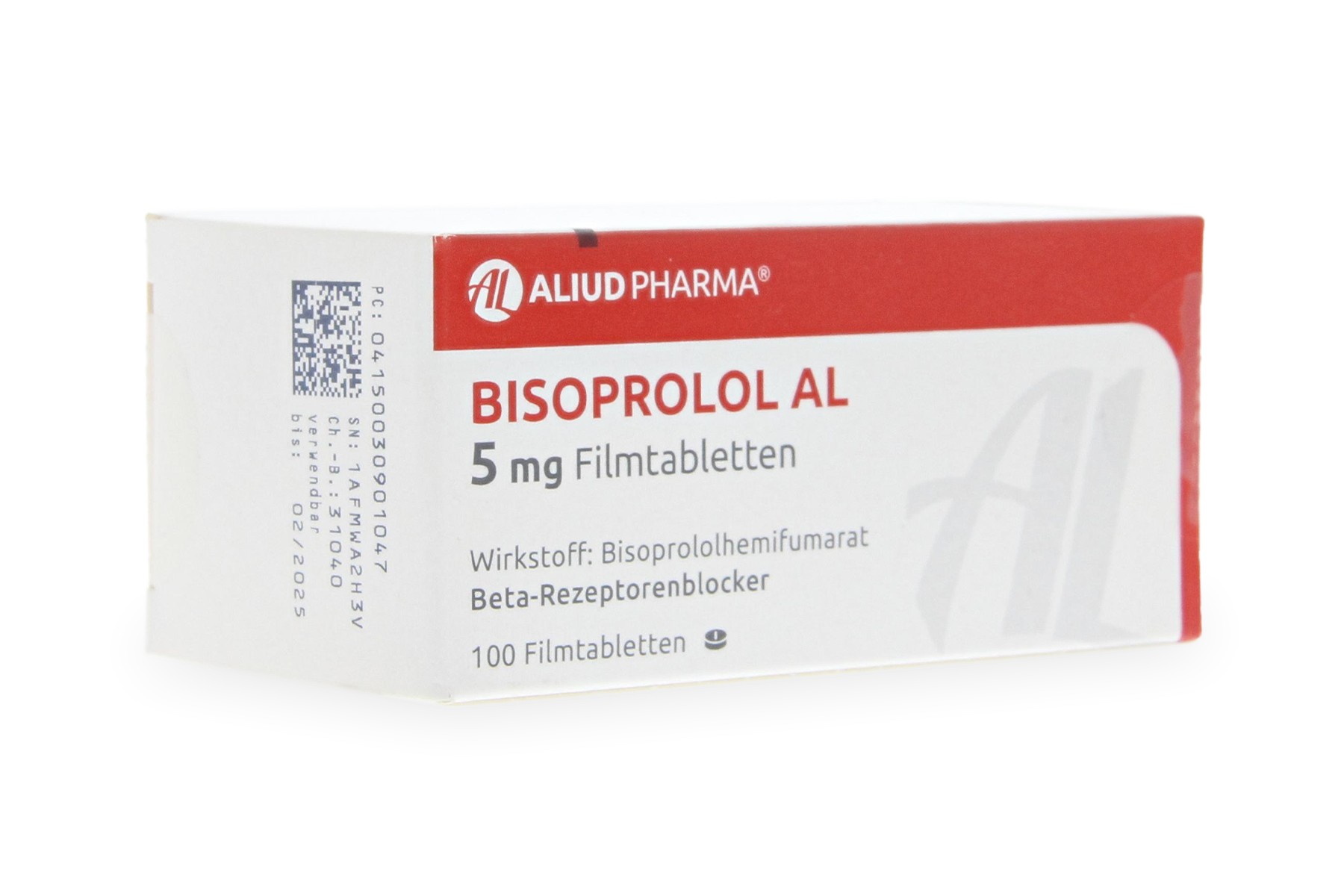
Next, beta-blockers such as Bisoprolol are used to slow your heart rate, allowing the chambers to fill more completely with blood. To clear the fluid build-up in your lungs and legs, we use diuretics, or "water pills".
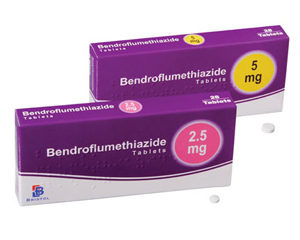
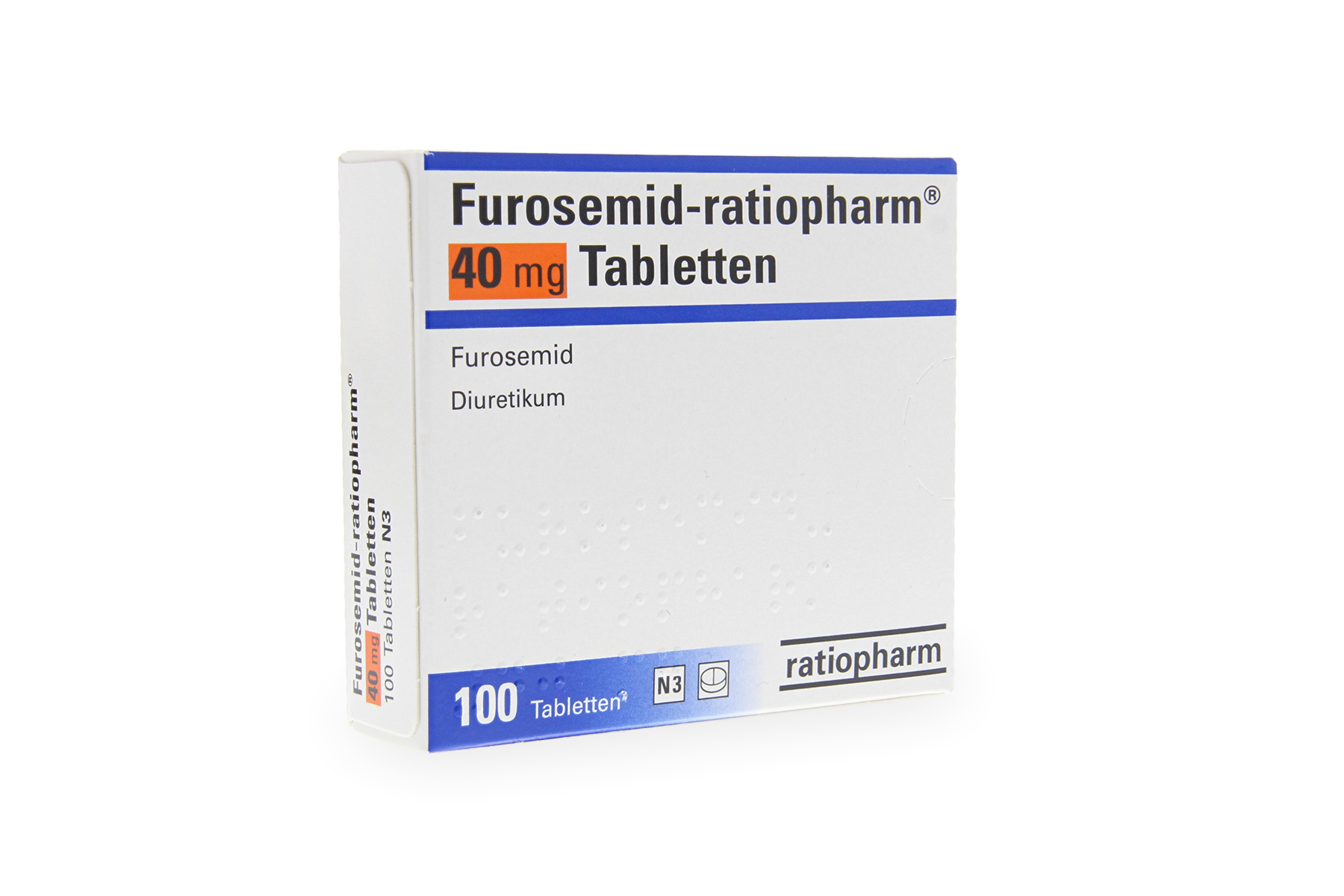
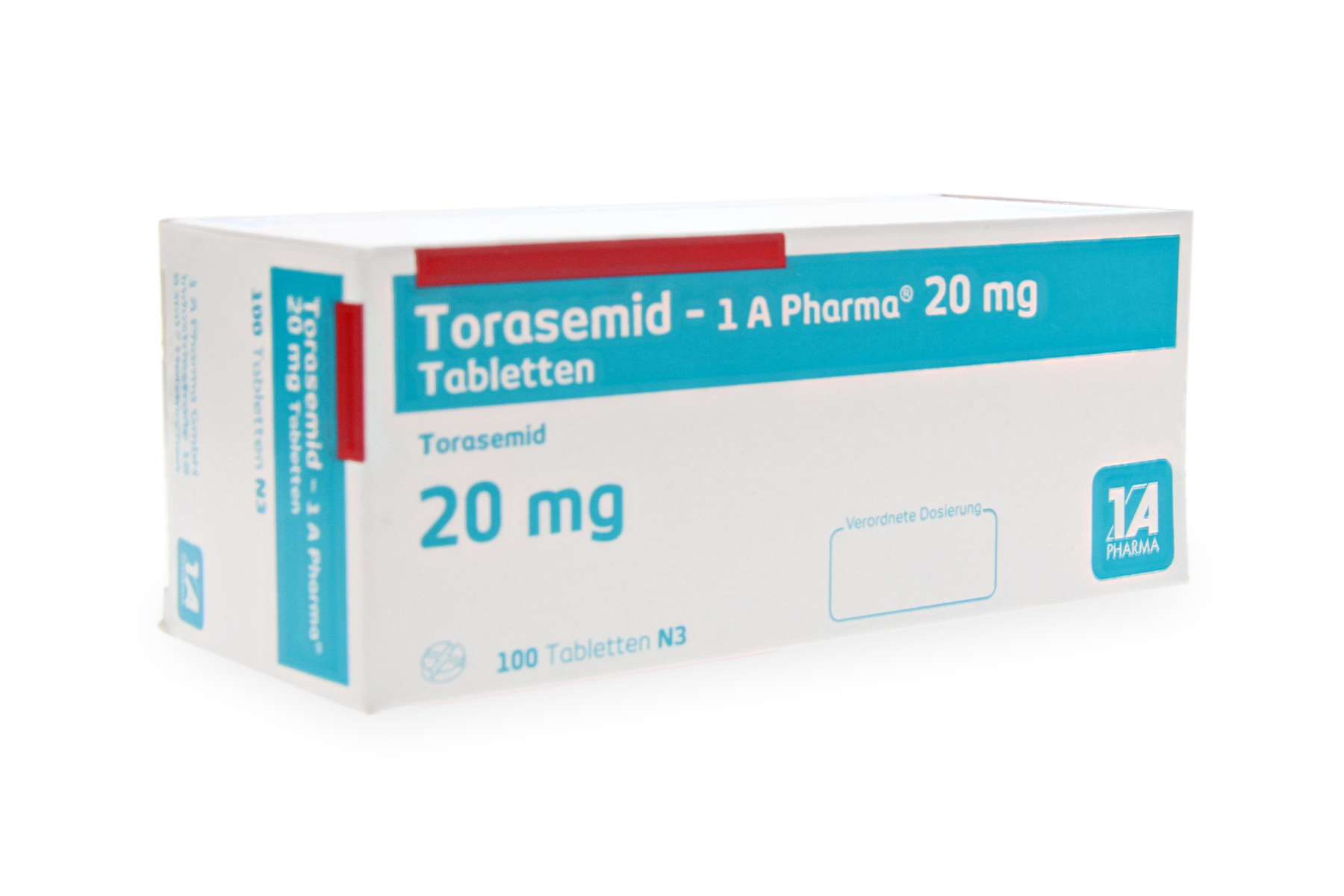
Furosemide is the classic choice, but I sometimes prefer Torasemide for patients who struggle with erratic gut absorption, or a milder thiazide diuretic like Bendroflumethiazide for less severe fluid retention.
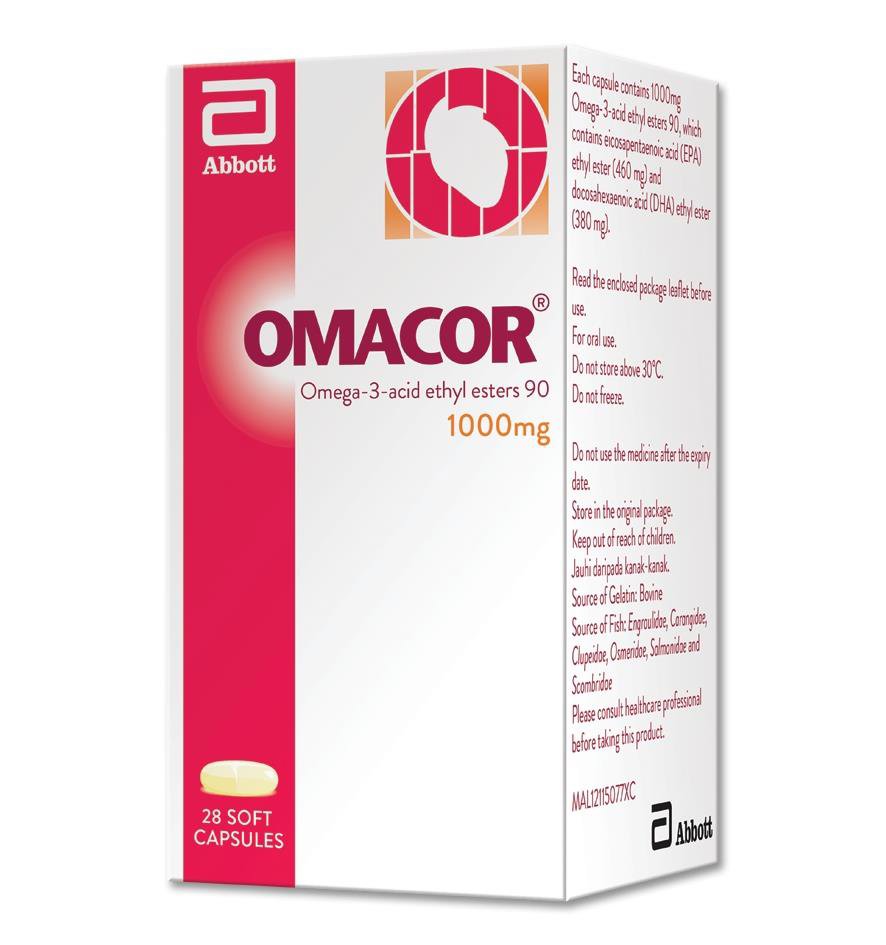
Finally, I might suggest Omacor , a highly concentrated prescription omega-3, as an adjunct therapy for certain post-heart attack patients to help stabilise the heart rhythm.
What to expect from treatment
Standard medical resources say medications improve symptoms, but from my clinical experience, here is the honest timeline: when you start a beta-blocker like Bisoprolol, you might actually feel slightly more tired for the first two to three weeks.
I always warn my patients about this "initiation dip." Stick with it. By week four, your heart adapts to the slower, more efficient rate, and your energy levels typically rebound and surpass where you started.
Diuretics, on the other hand, work within hours—expect to be visiting the loo frequently, which is a sign the medication is successfully offloading the fluid burden from your heart.
Self-care and prevention
Beyond taking your pills faithfully, fluid management is absolutely crucial. Standard advice says "restrict your fluids to 1.5 litres a day," but practically, patients struggle immensely with thirst.
My clinical trick for this: freeze some of your daily fluid allowance into ice cubes or sugar-free ice lollies. Sucking on ice quenches the thirst mechanism in your mouth much more effectively than drinking the exact same volume of water, keeping you comfortable while safely staying within your strict fluid limits.