High Blood Pressure Treatment Guide
Available treatment options
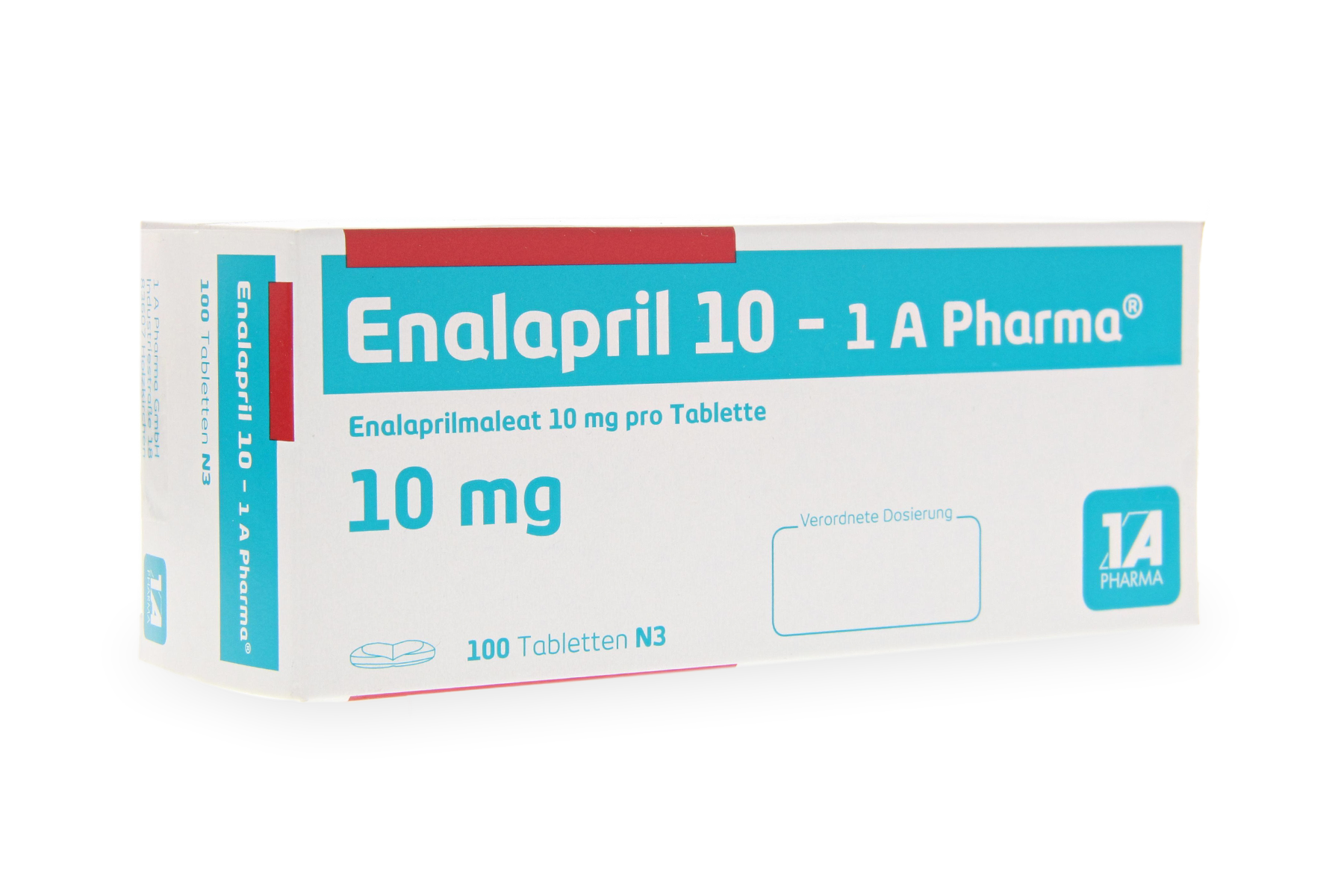
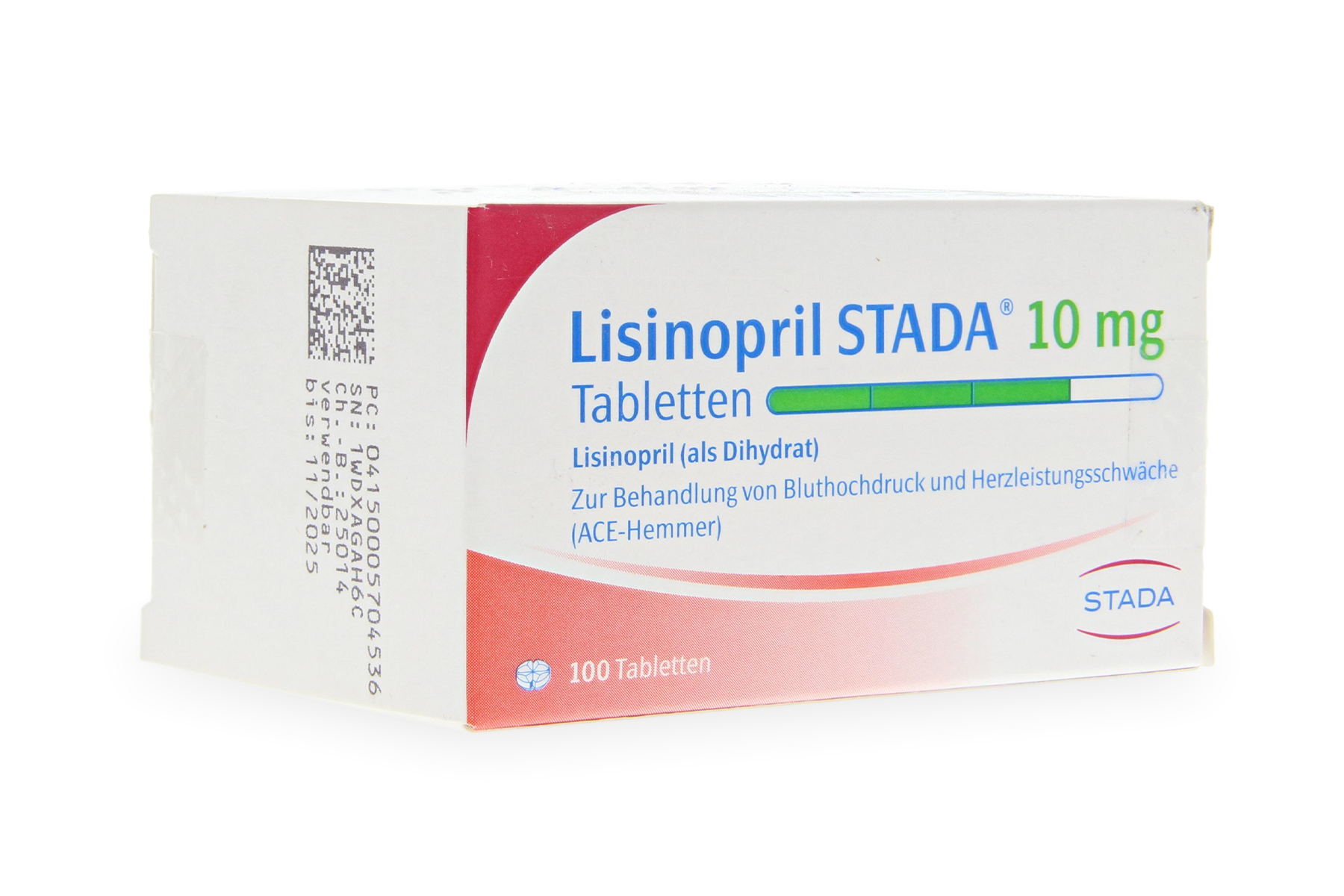
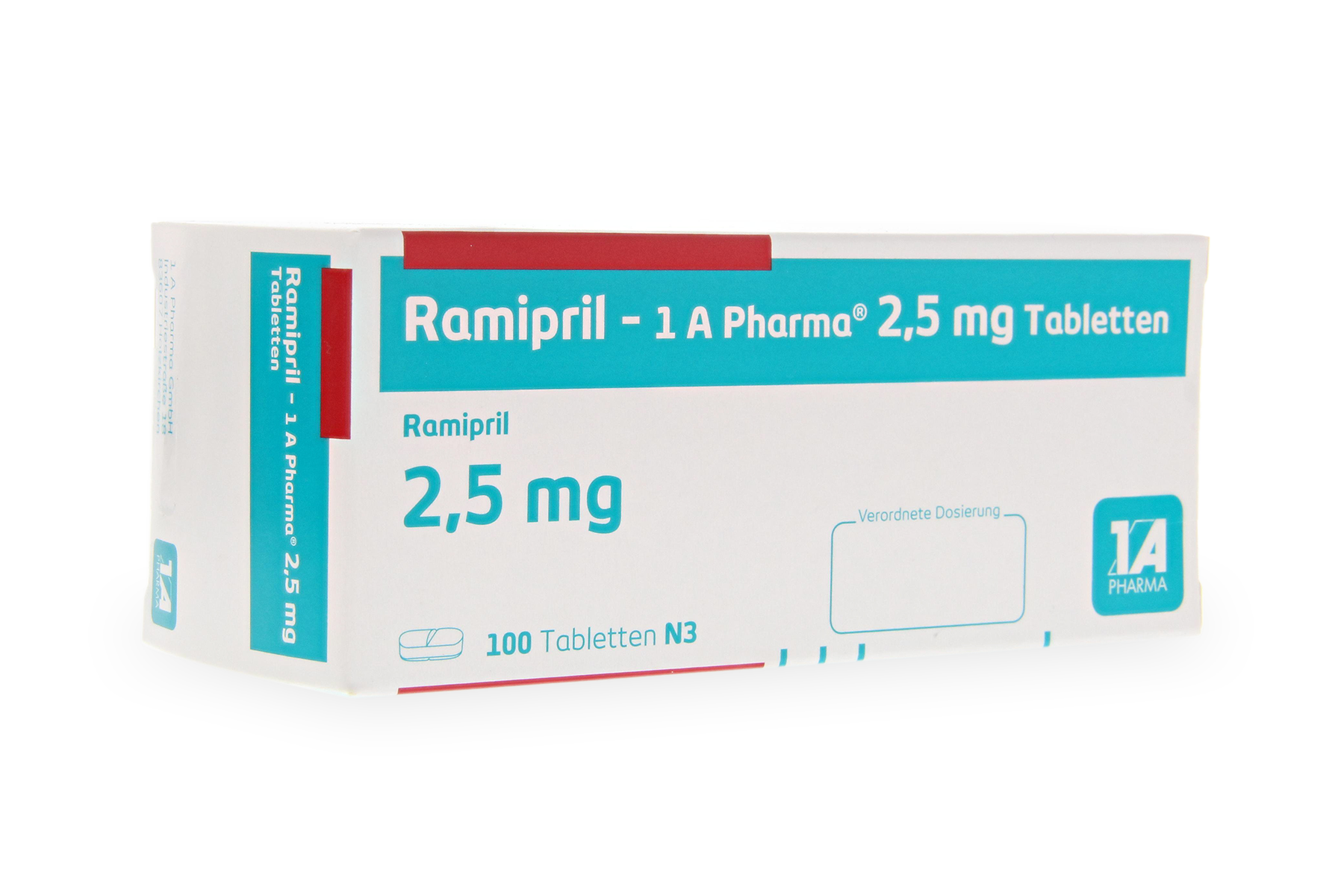
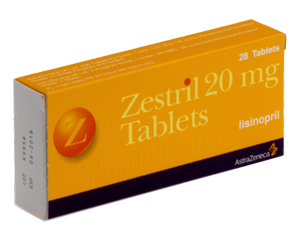
We have a vast array of medications, and I tailor the choice to your age and background. I typically start patients under 55 on ACE inhibitors like Ramipril , Lisinopril (often known by the brand Zestril ), Enalapril , or Perindopril .
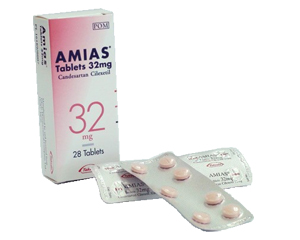
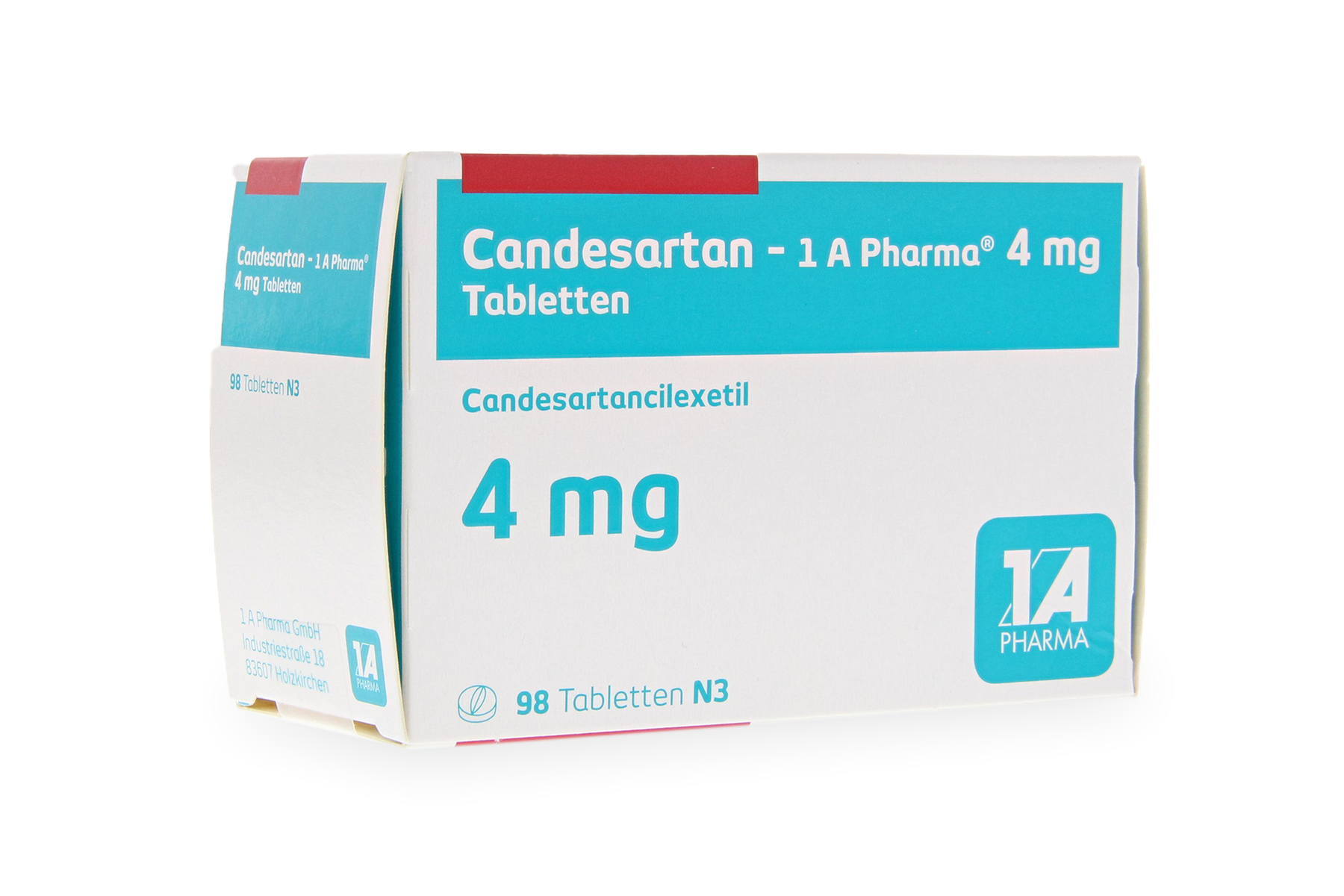
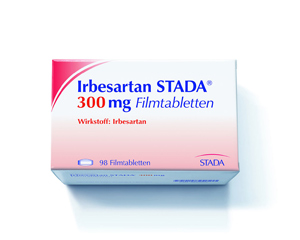
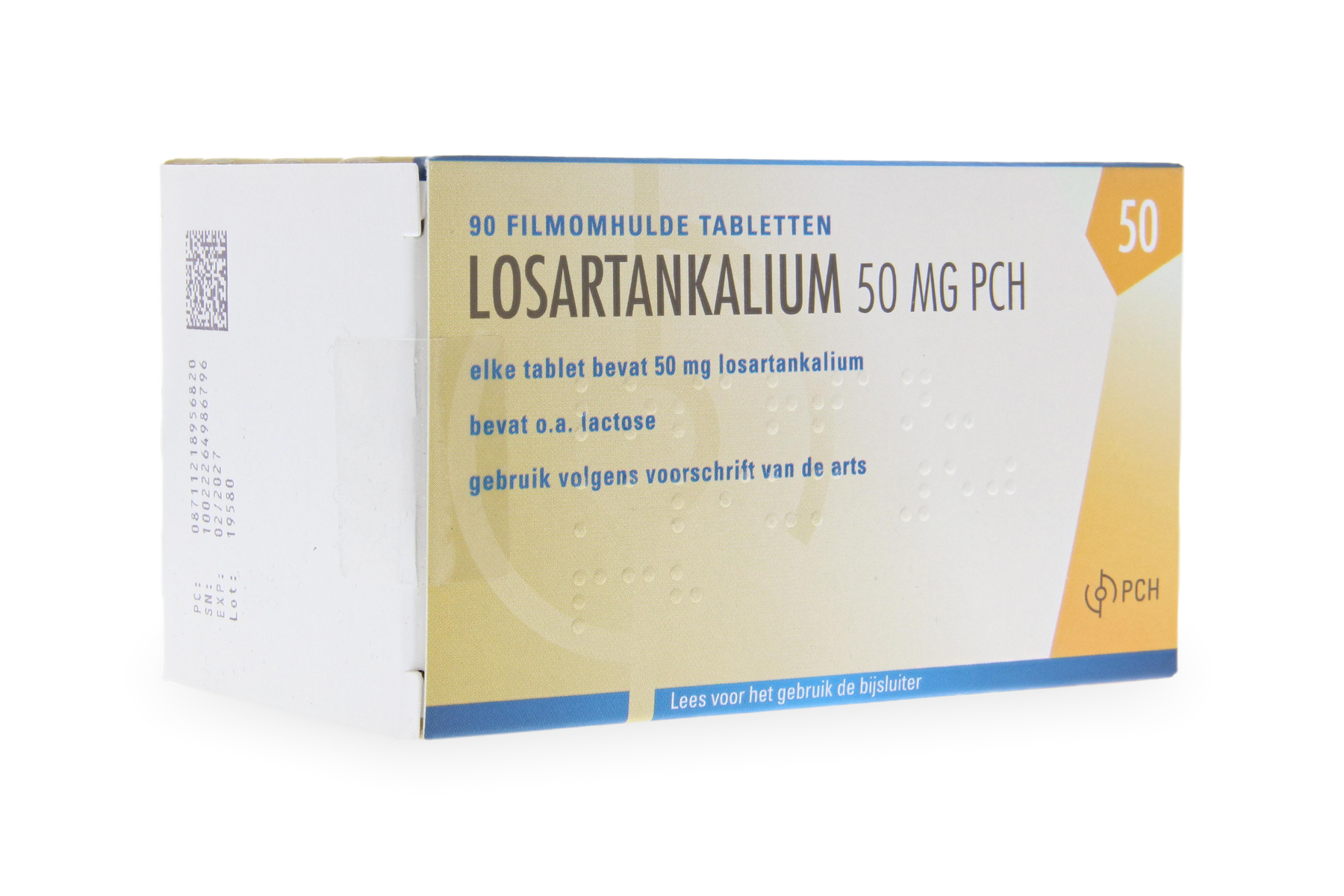
If these cause a dry, tickly cough—a very common harmless side effect—I will swiftly switch you to an Angiotensin Receptor Blocker (ARB) such as Candesartan (brand Amias ), Losartan , Irbesartan , or Valsartan .
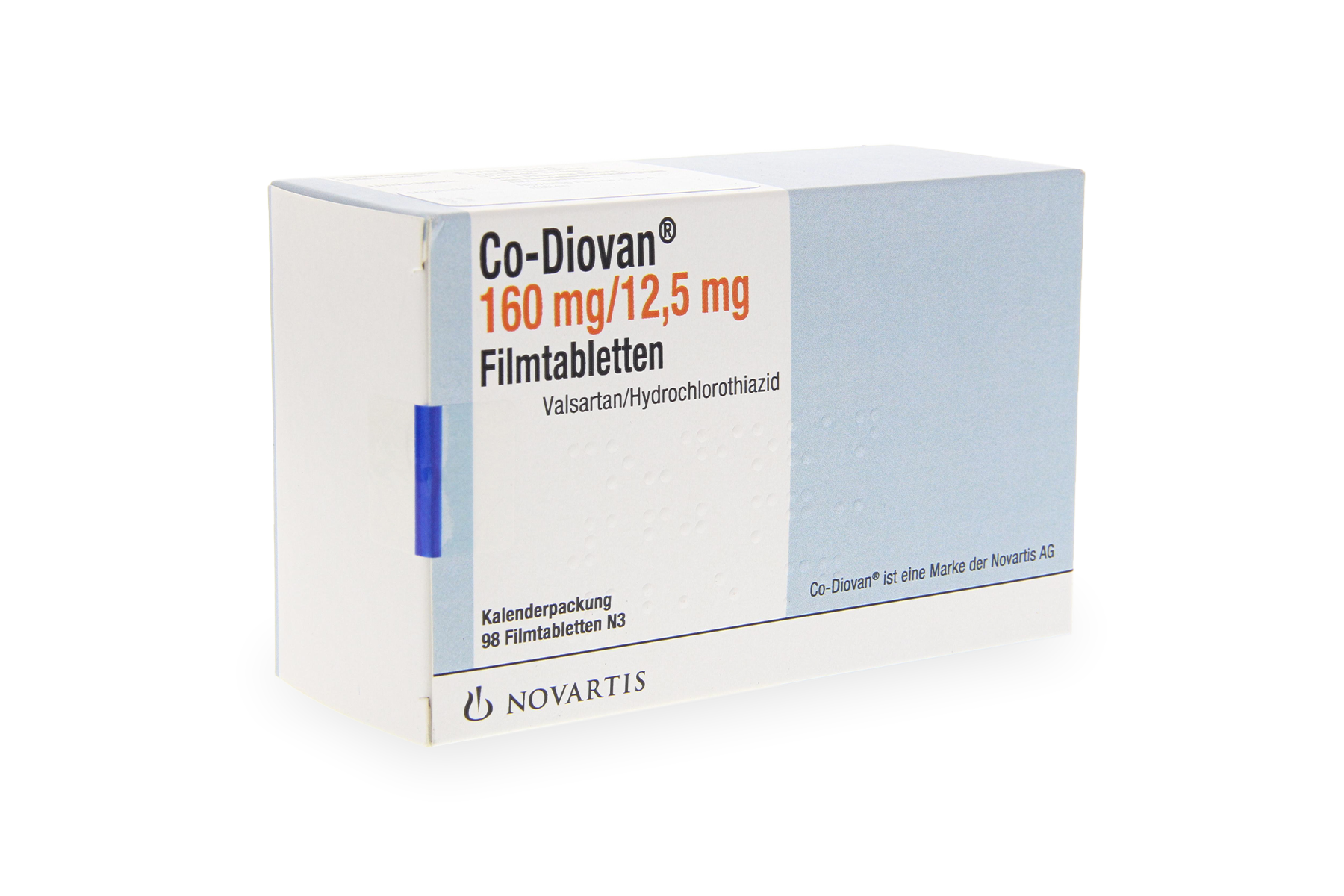
Sometimes we use combination pills like Co-Diovan .
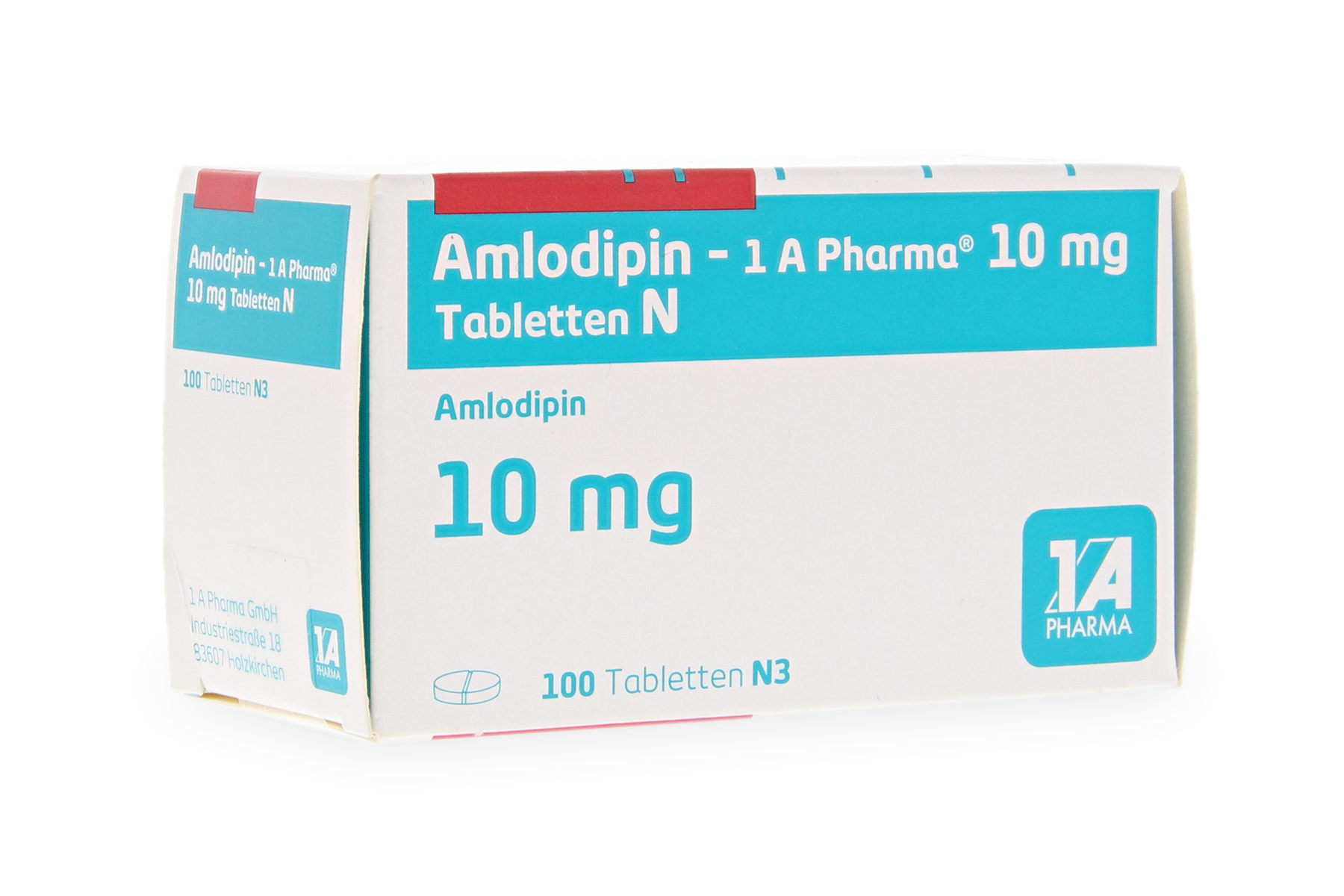
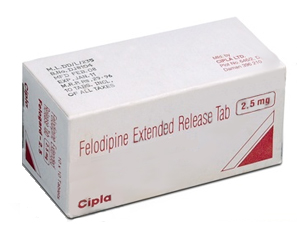
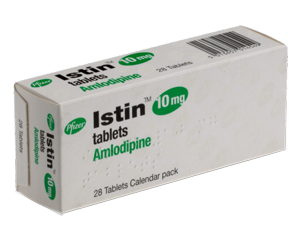
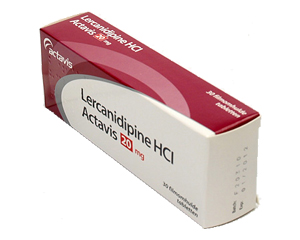
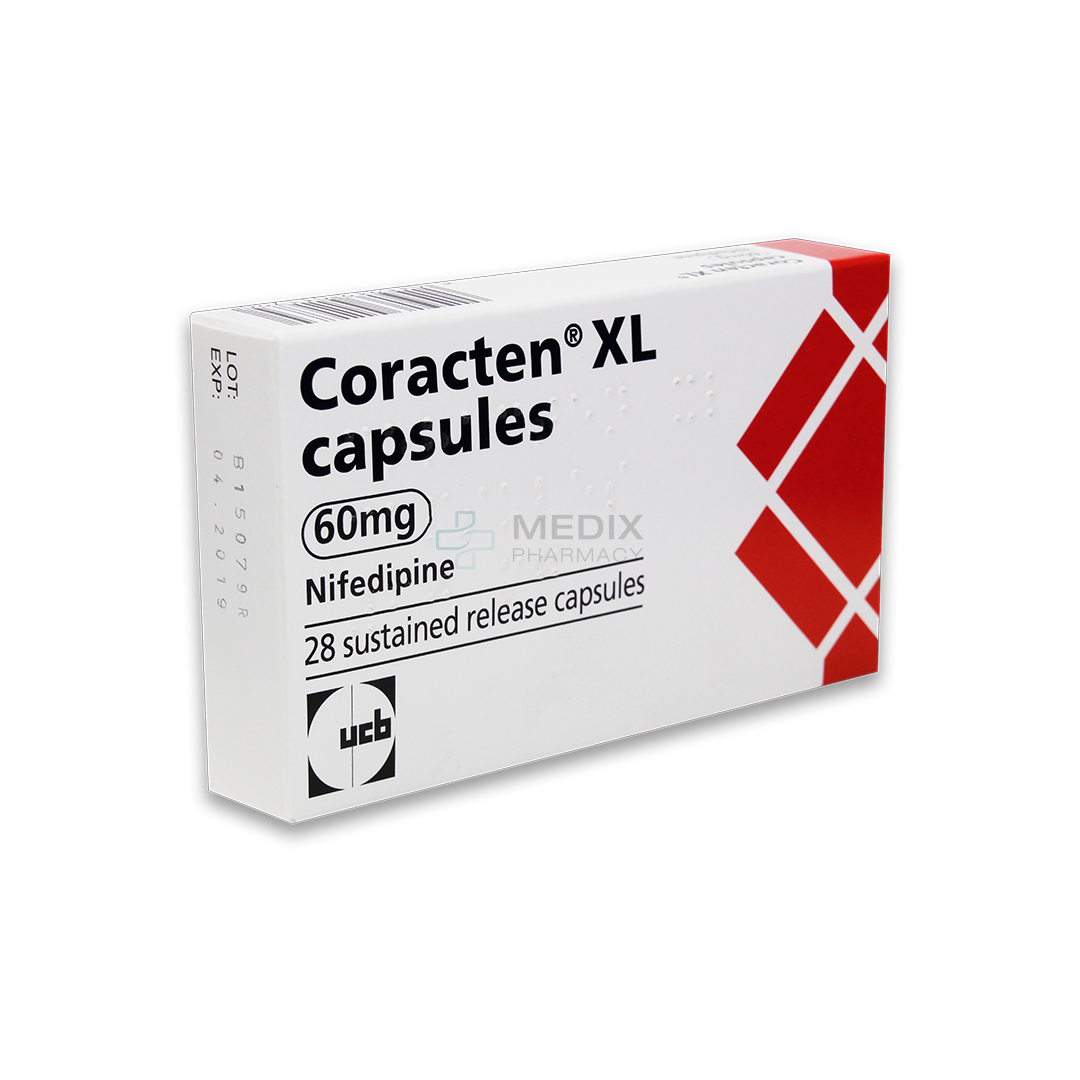
For patients over 55 or those of African-Caribbean family origin, Calcium Channel Blockers are my first line. Amlodipine (brand Istin ) is the standard, but we also use Felodipine , Lercanidipine , Nifedipine , or Motens .
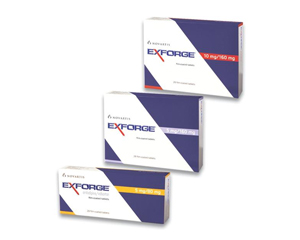
Combination therapies like Exforge are excellent for stubborn numbers.
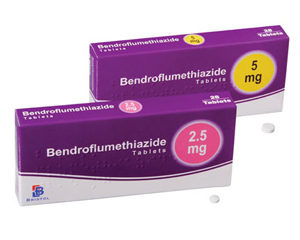
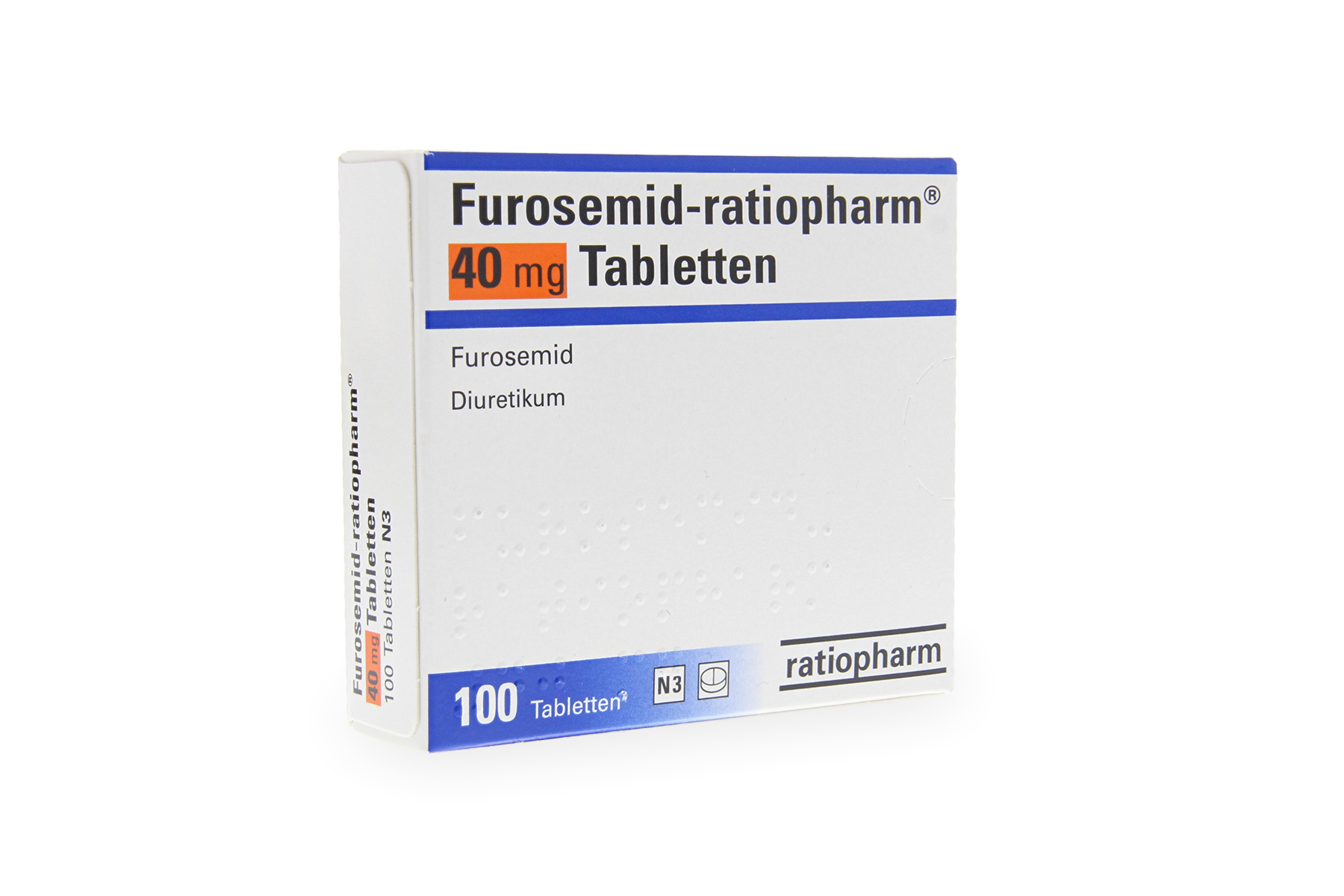
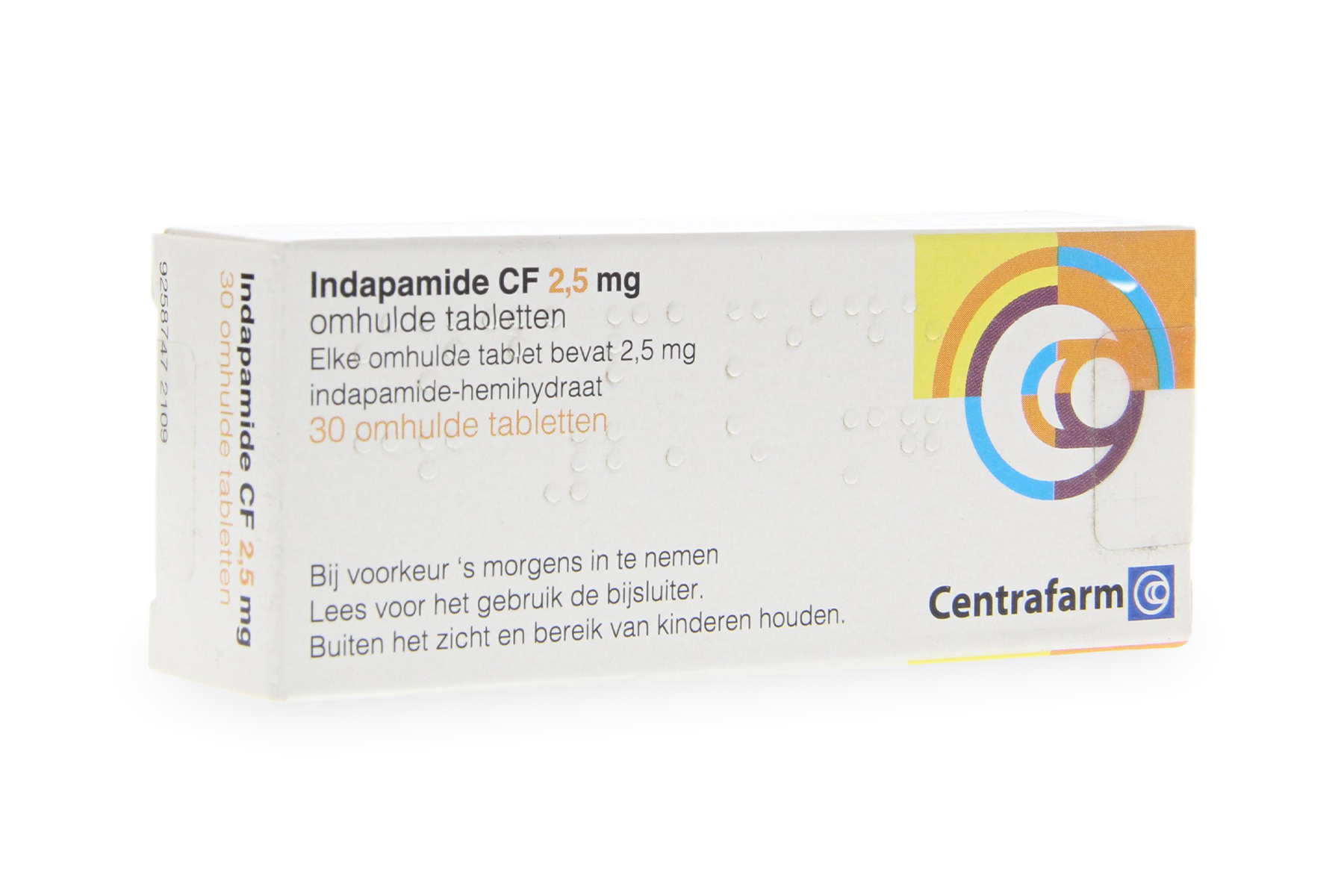
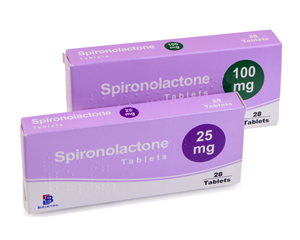
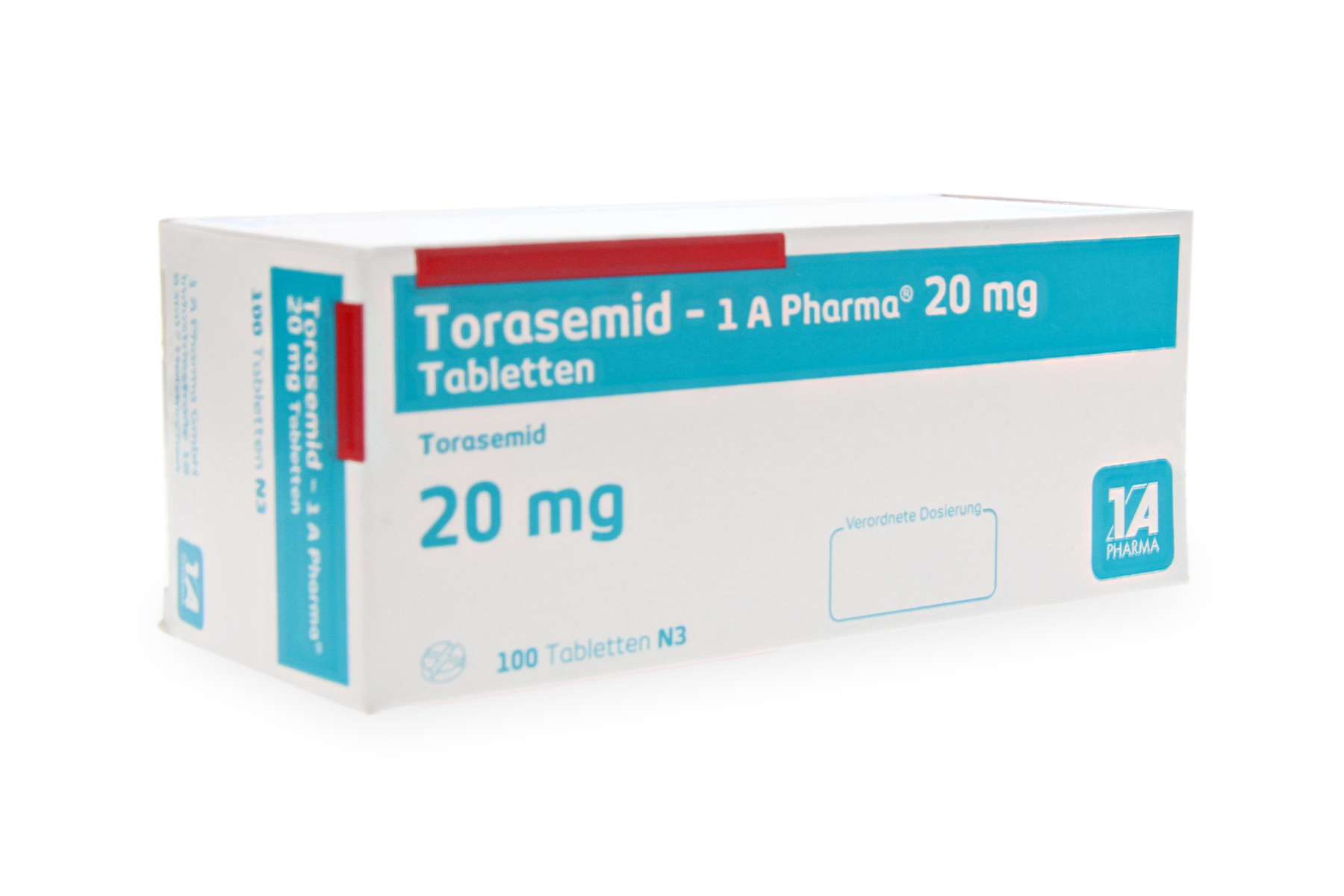
Diuretics (water pills) are another pillar. We use thiazide-like diuretics such as Indapamide or Bendroflumethiazide. For specific fluid retention issues, loop diuretics like Furosemide and Torasemide, or potassium-sparing options like Spironolactone are invaluable.
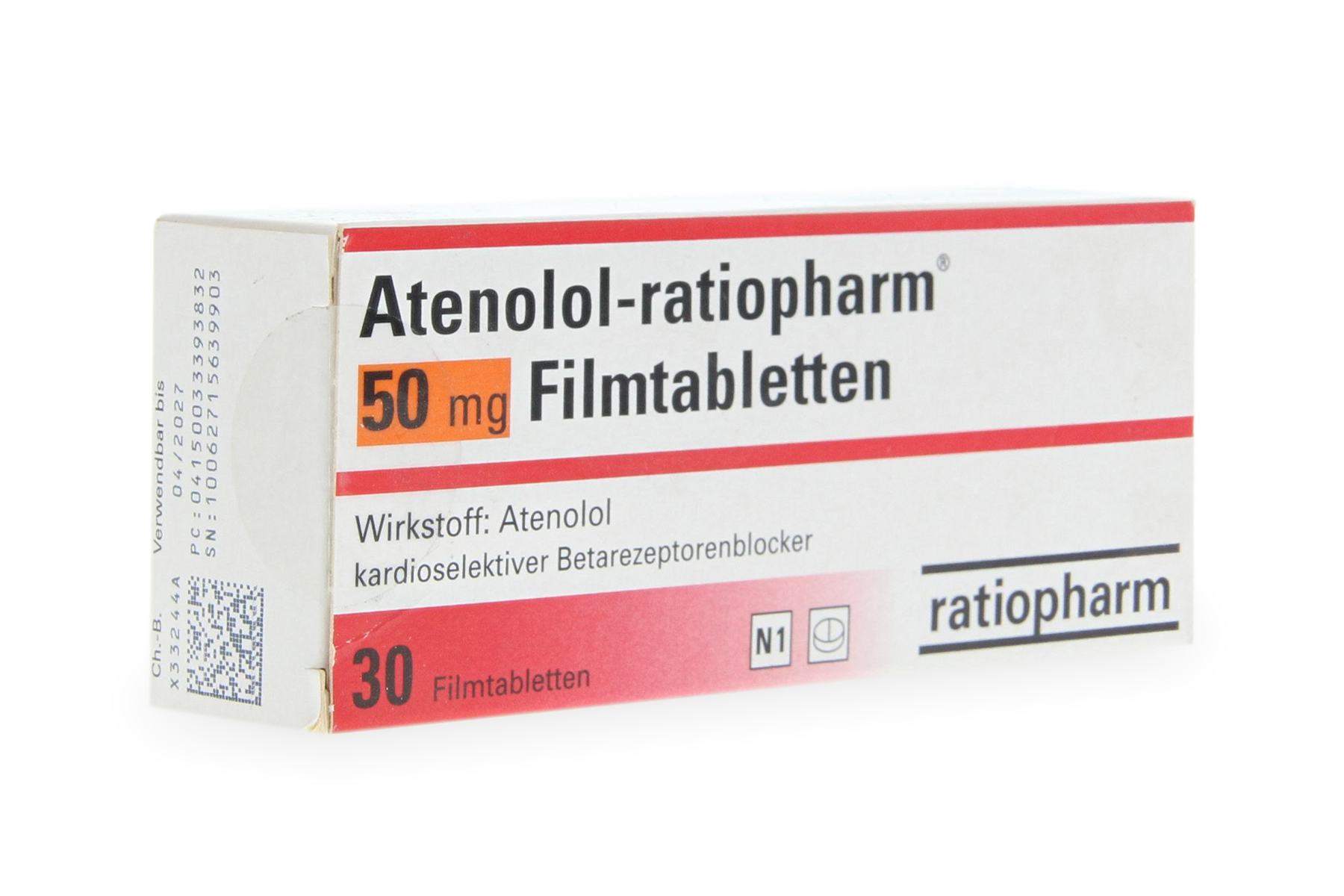
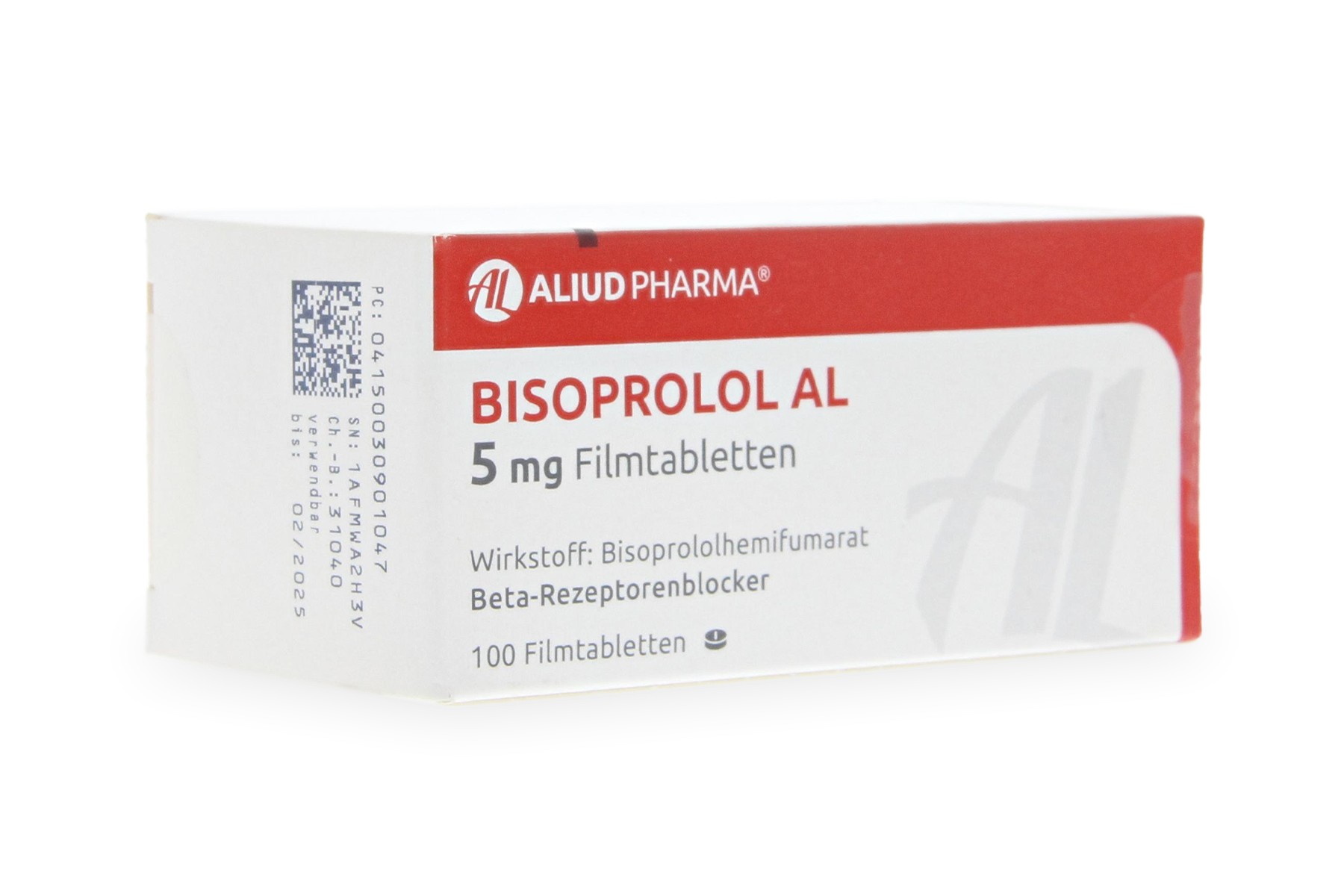
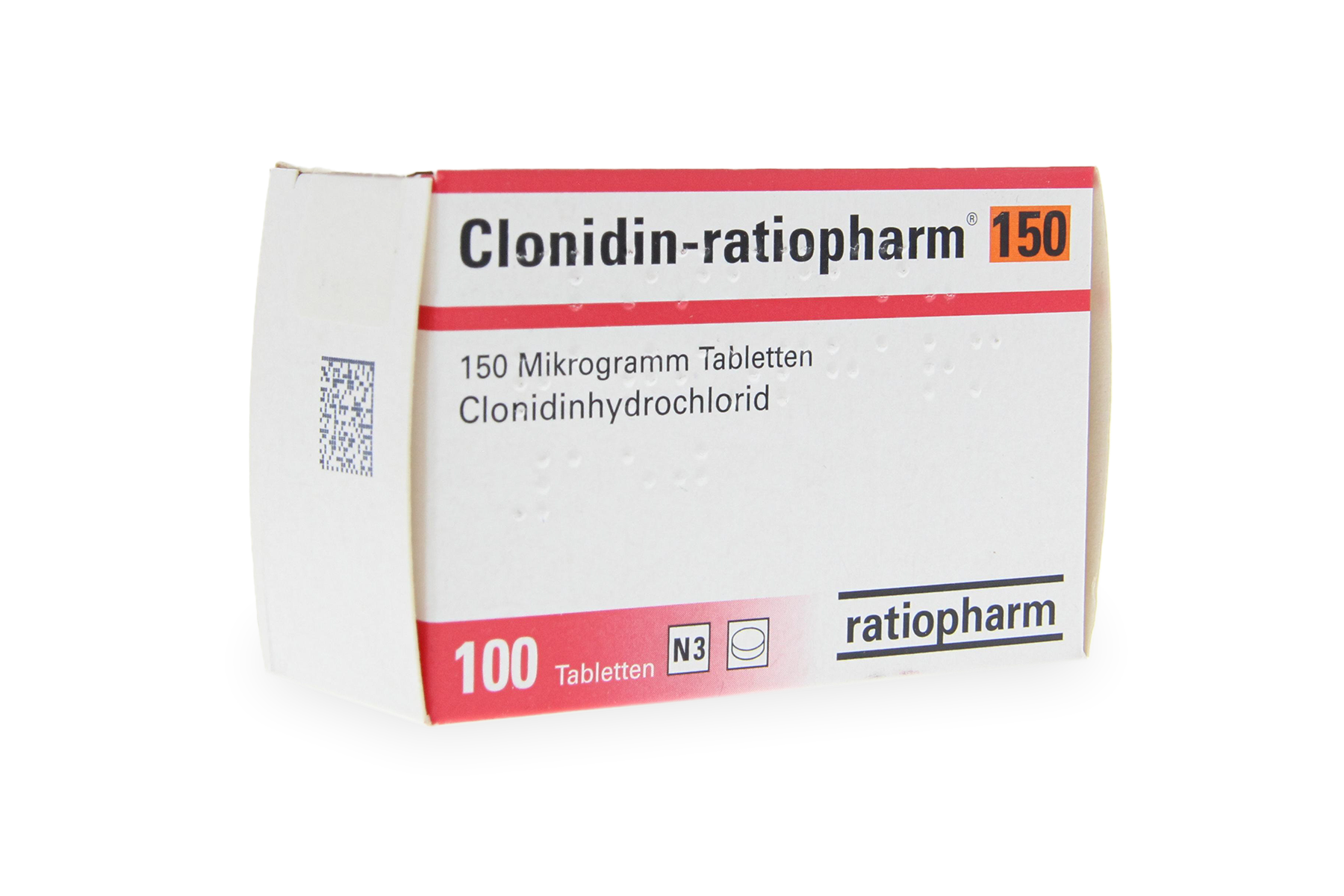
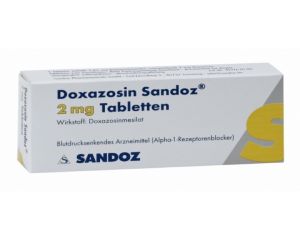
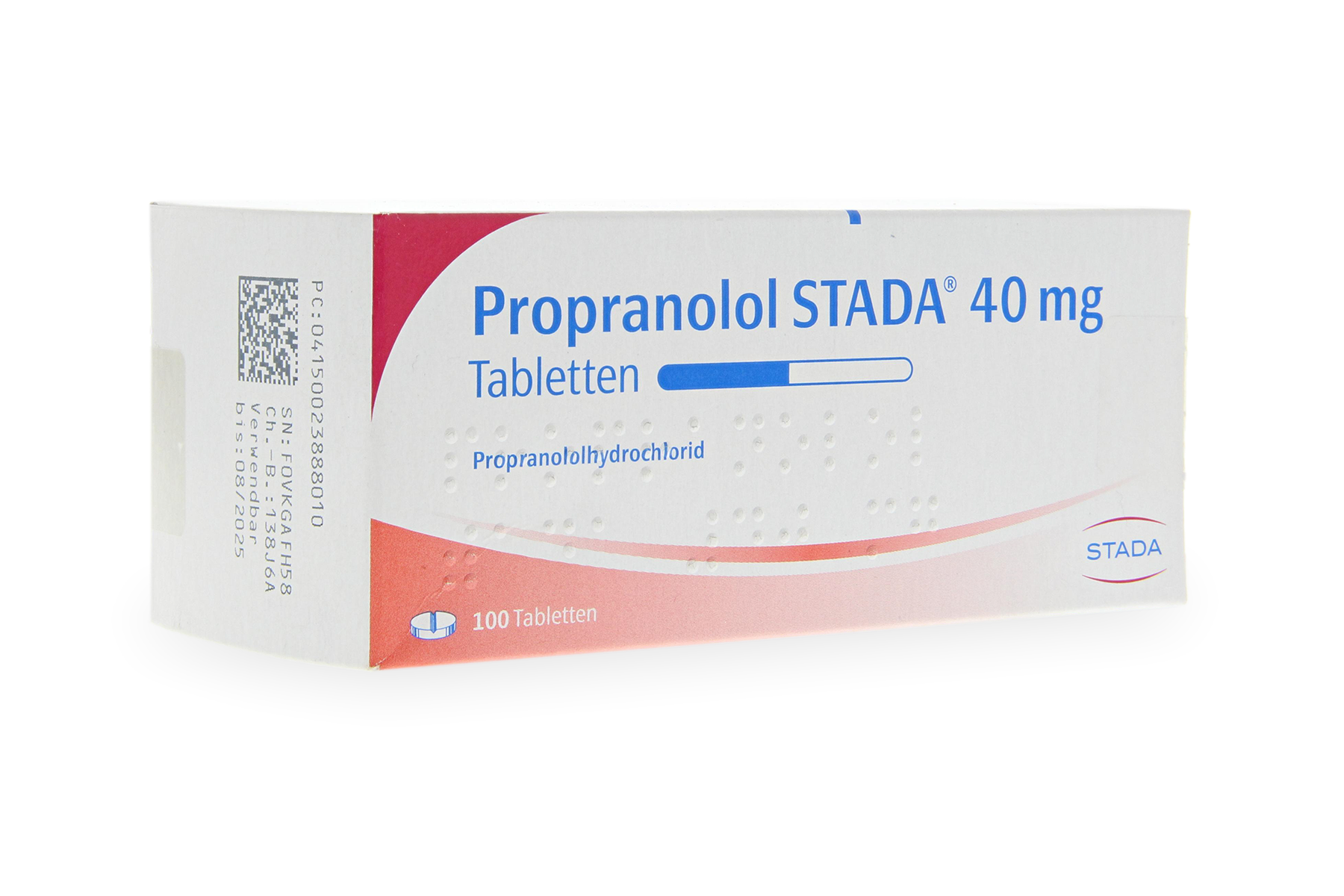
If your heart rate is high or you suffer from anxiety, Beta-blockers like Bisoprolol , Atenolol , or Propranolol work beautifully. For resistant hypertension, we might add Alpha-blockers like Doxazosin (brand Cardura ), or centrally acting drugs like Clonidine and Moxonidine .
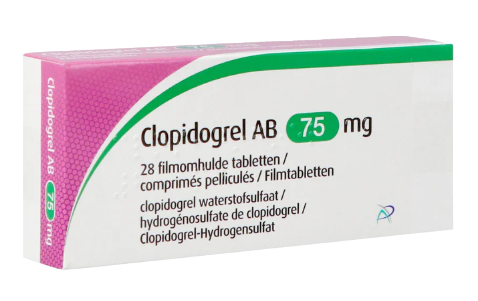
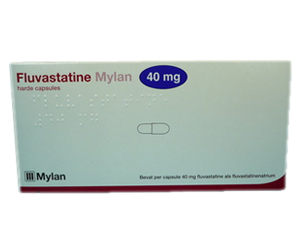
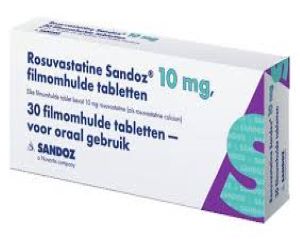
Finally, because high blood pressure damages blood vessels, I often co-prescribe statins like Rosuvastatin or Fluvastatin, or antiplatelets like Clopidogrel to offer dual protection against heart attacks.
What to expect from treatment
Most blood pressure medications take a few weeks to reach their full effect, so do not be discouraged if your home readings don't plummet on day one. A common experience I see in the clinic is mild ankle swelling with Amlodipine.
Many patients fear this means their heart is failing, but it's actually just local fluid leakage from relaxed blood vessels, not systemic fluid retention. If it bothers you, let your GP know; I often switch patients to Lercanidipine, which achieves the same blood pressure drop but with significantly less ankle swelling.
Self-care and prevention
Medication is only half the battle. Reducing salt is crucial, but my clinical pearl here is that most hidden salt isn't from the shaker on your table; it's baked into supermarket bread, breakfast cereals, and pasta sauces.
Read those labels. Furthermore, a lesser-known but highly effective intervention is improving your sleep quality. Addressing severe snoring or sleep apnoea can drop your blood pressure just as effectively as a low-dose medication.
Your nighttime breathing directly impacts your daytime blood pressure.