Treatment Guide
Available treatment options
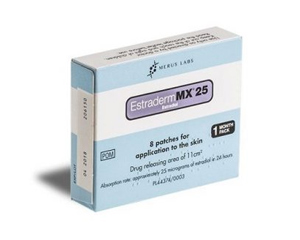
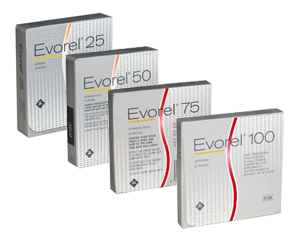
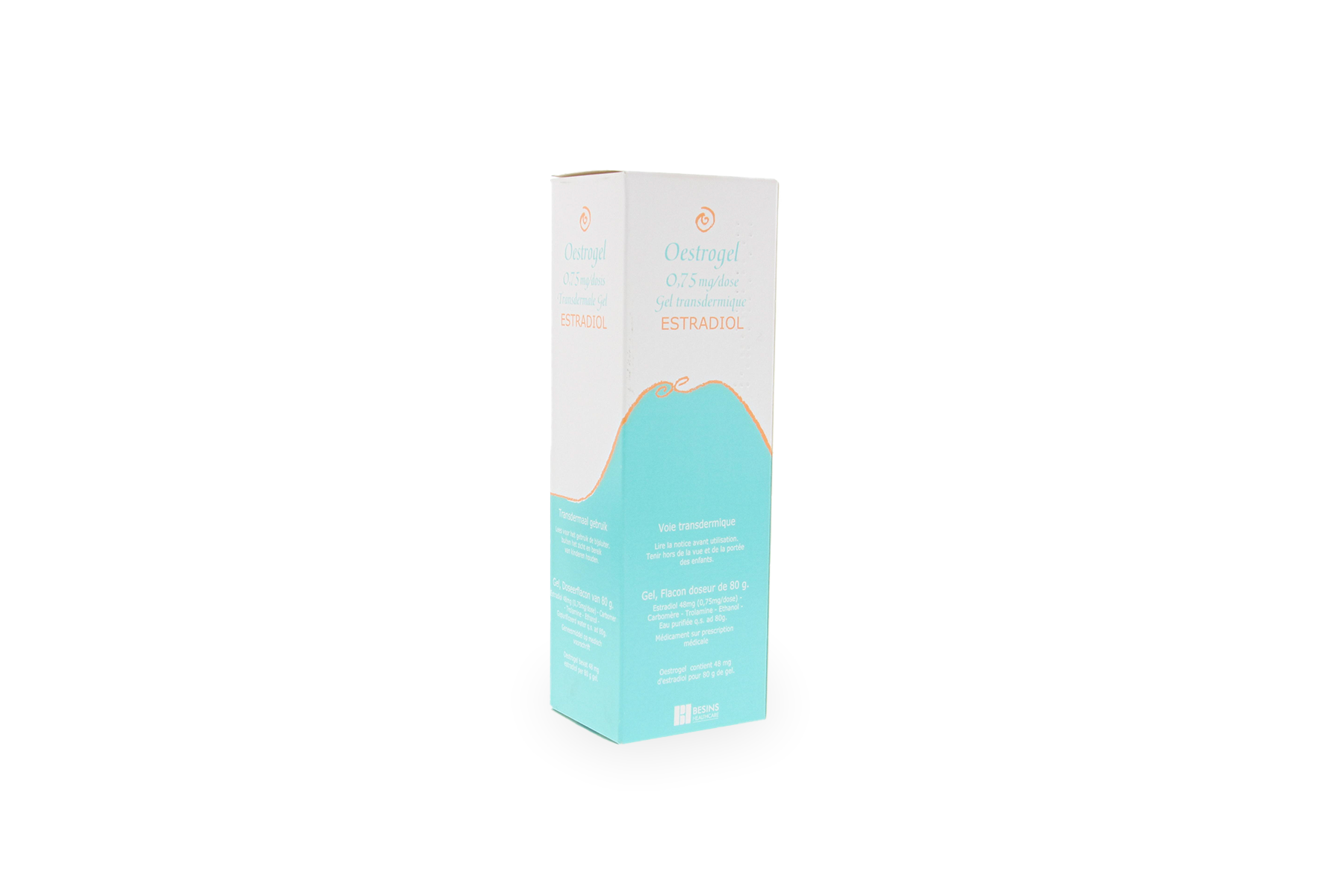
The sheer number of HRT options can feel dizzying, but they generally fall into a few categories: oestrogen-only, combined (oestrogen and progestogen), and localized treatments. For systemic oestrogen, I often first recommend transdermal options (absorbed through the skin) like Oestrogel , Evorel patches, or Estraderm MX because they bypass the liver and carry a negligible risk of blood clots.
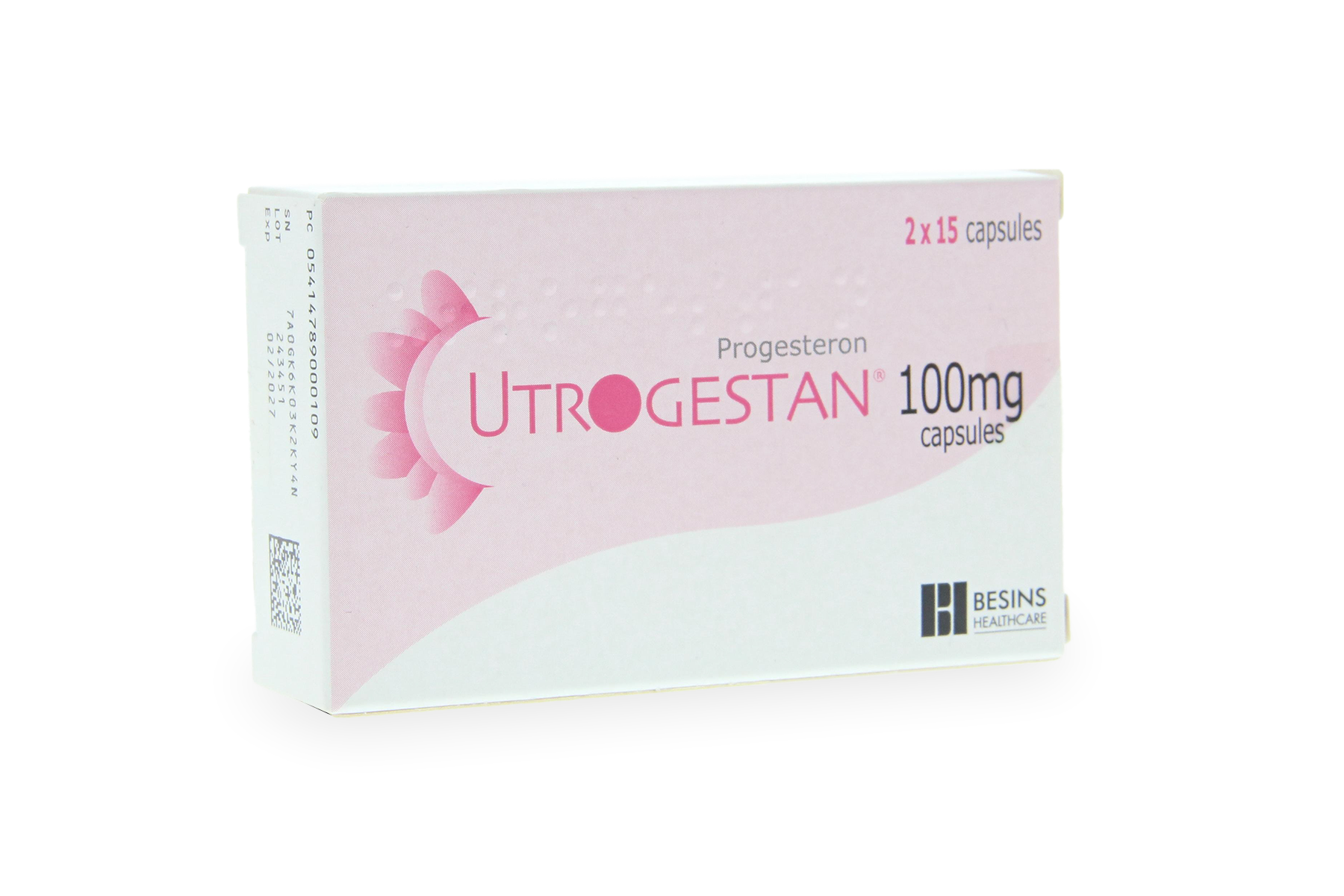
For women who still have a womb, protecting the uterine lining with a progestogen is mandatory. I frequently prescribe body-identical Utrogestan alongside transdermal oestrogen, as my patients report fewer mood-related side effects compared to older synthetic progestins.
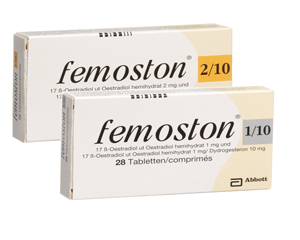
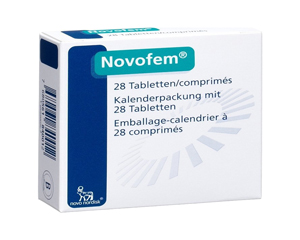
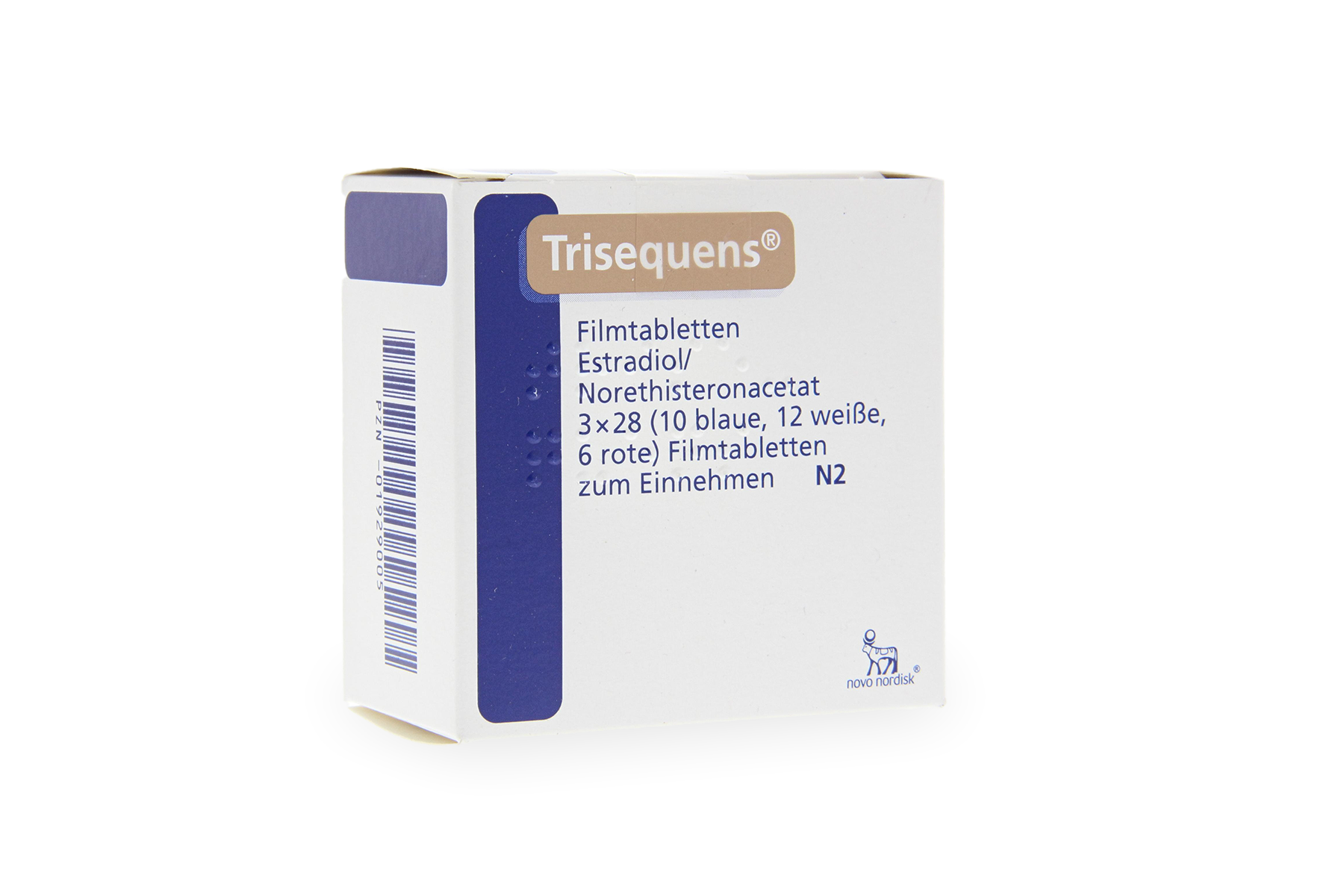
We also have excellent combined patches and tablets. For perimenopausal women (who still have periods), sequential HRT like Femoston , Novofem , Trisequens , or Elleste Solo (which requires an added progestogen if you have a womb) can regulate bleeding.
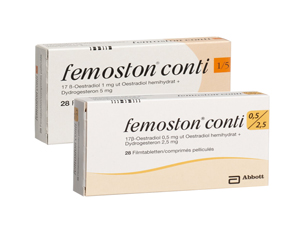
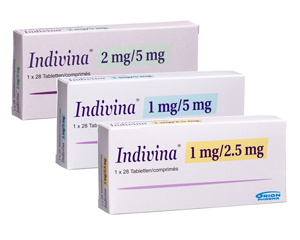
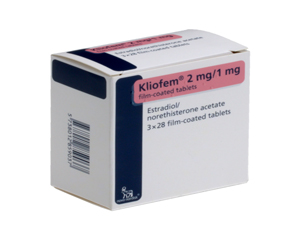
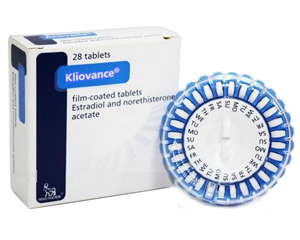
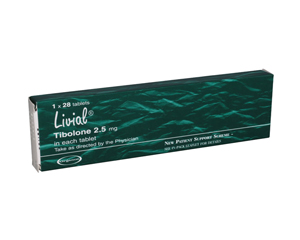
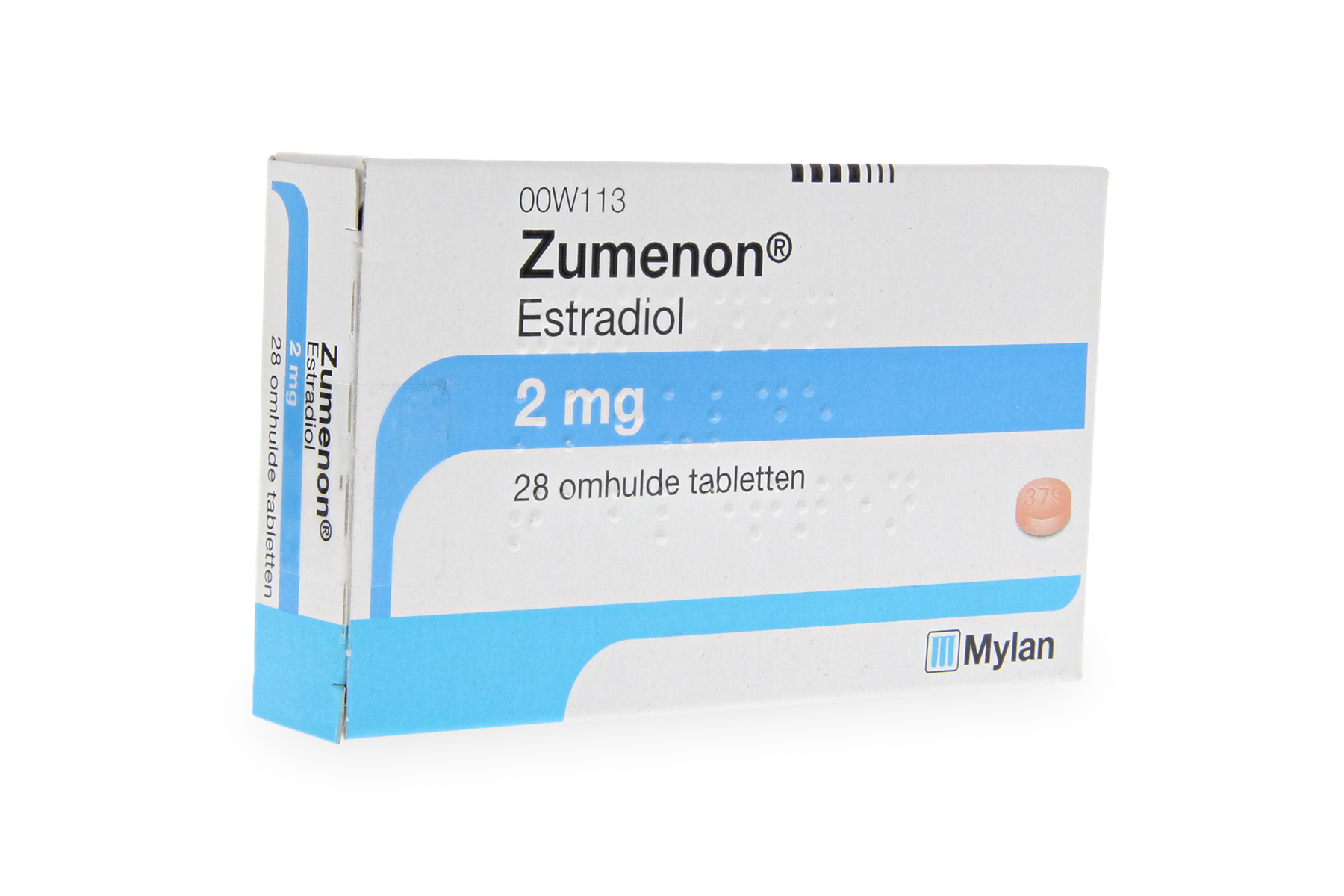
For postmenopausal women, continuous combined options like Kliofem , Kliovance , Indivina , Femoston Conti , Zumenon (when combined appropriately), or Livial (a synthetic steroid with oestrogenic, progestogenic, and weak androgenic properties) mean no more monthly bleeds.
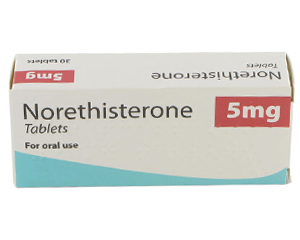
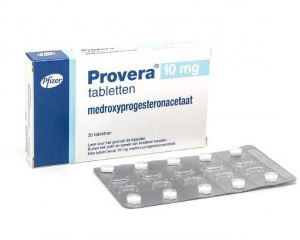
Sometimes, older progestins like Norethisterone or Provera are used if bleeding is heavy or erratic.
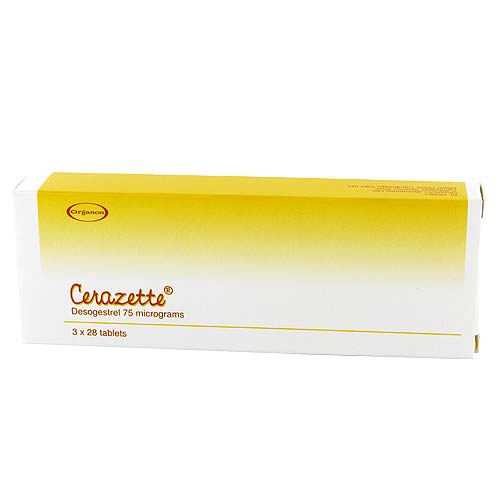
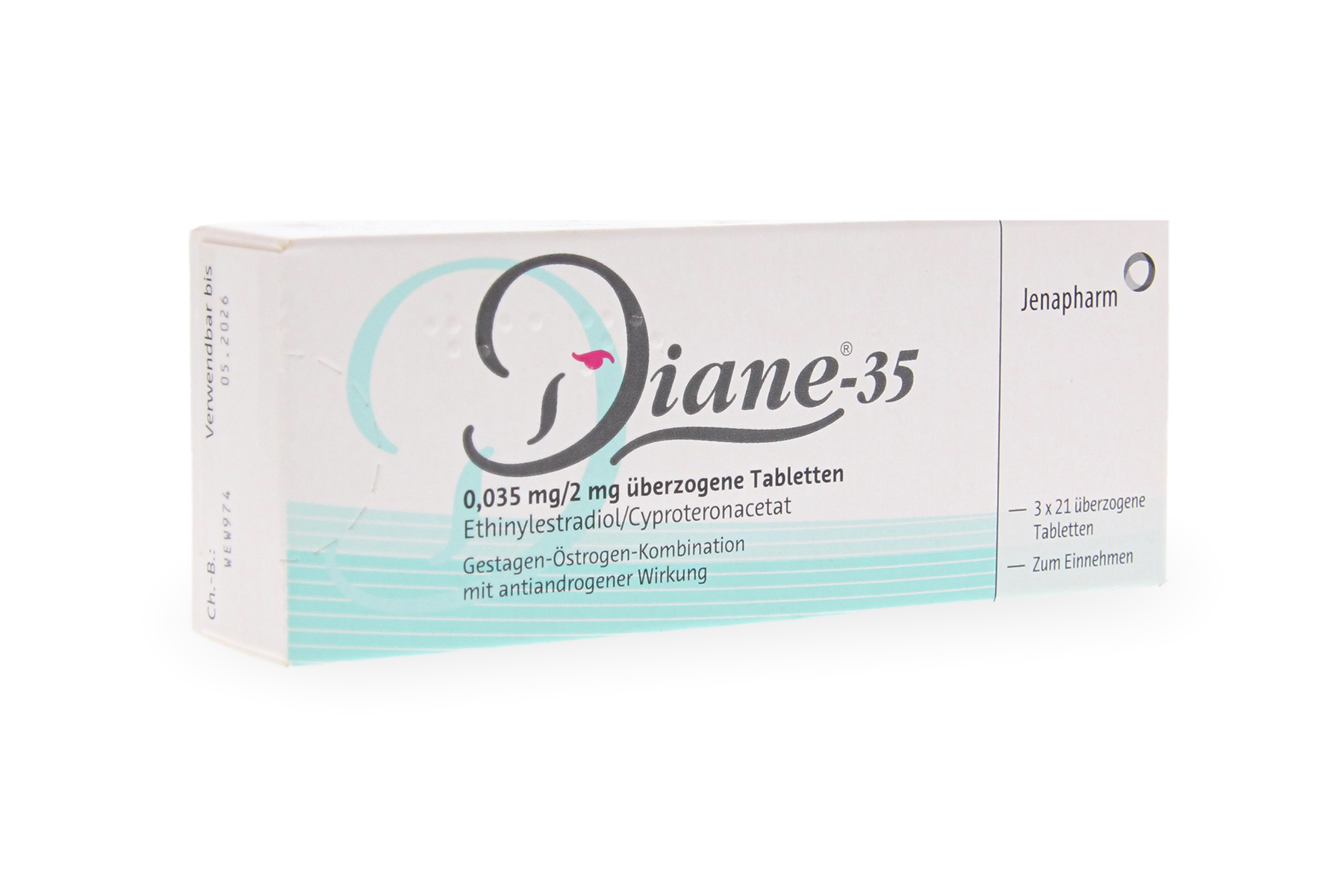
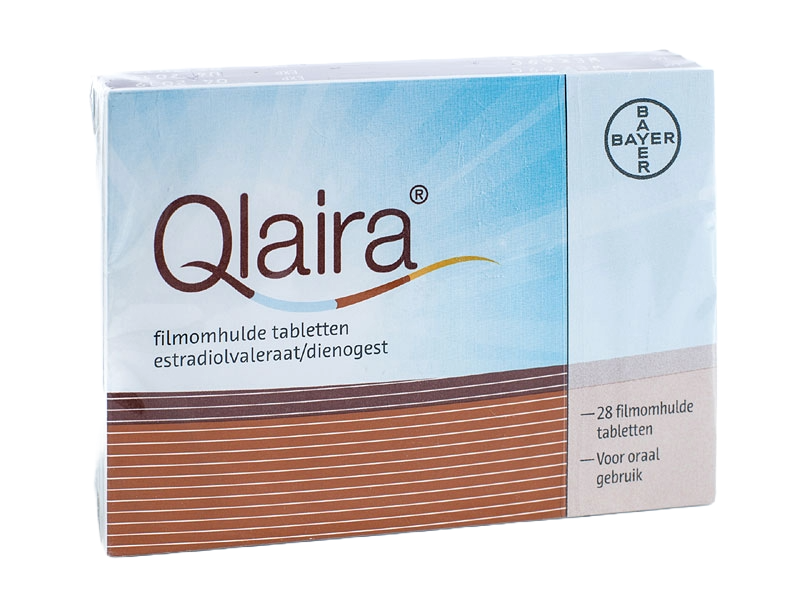
Interestingly, some contraceptive pills are used off-label or dual-purpose for perimenopause symptom control, such as Qlaira , Cerazette , Dianette , or Co-cyprindiol , particularly when contraception is still required.
Finally, for localized vaginal dryness or recurrent water infections—a silent epidemic among older women—vaginal oestrogens like Vagifem or Estriol cream work wonders and can be safely used alongside systemic HRT.
What to expect from treatment
I always tell my patients to view starting HRT as a marathon, not a sprint. You might experience the "HRT honeymoon" where hot flushes vanish within days, but realistically, it takes about three months for your body to fully acclimatize and for mood or brain fog to lift.
During the first few weeks, it is incredibly common to experience breast tenderness, slight nausea, or erratic spotting. This is just your body's hormone receptors waking up. My clinical insight here is to push through the first 12 weeks if the side effects are mild.
If you change preparations too quickly, you confuse the body and reset the clock. However, if you experience heavy bleeding or severe mood drops, we can always adjust the dose or delivery method.
Self-care and prevention
HRT is a fantastic tool, but it is not a magic wand; it works best when paired with lifestyle adjustments. As oestrogen drops, your body's handling of insulin changes, which is why so many women notice sudden weight gain around their middle.
My top advice is to prioritize strength training over endless cardio. Building muscle mass not only supports your bone density (protecting against osteoporosis ) but also drastically improves insulin sensitivity.
Additionally, alcohol is a notorious trigger for vasomotor symptoms (hot flushes) and poor sleep. Try swapping your evening glass of wine for a magnesium-rich drink, which I've found helps my patients significantly with nighttime leg cramps and sleep disturbances during the menopause transition.