A Doctor's Guide to Numbing Creams
Available treatment options
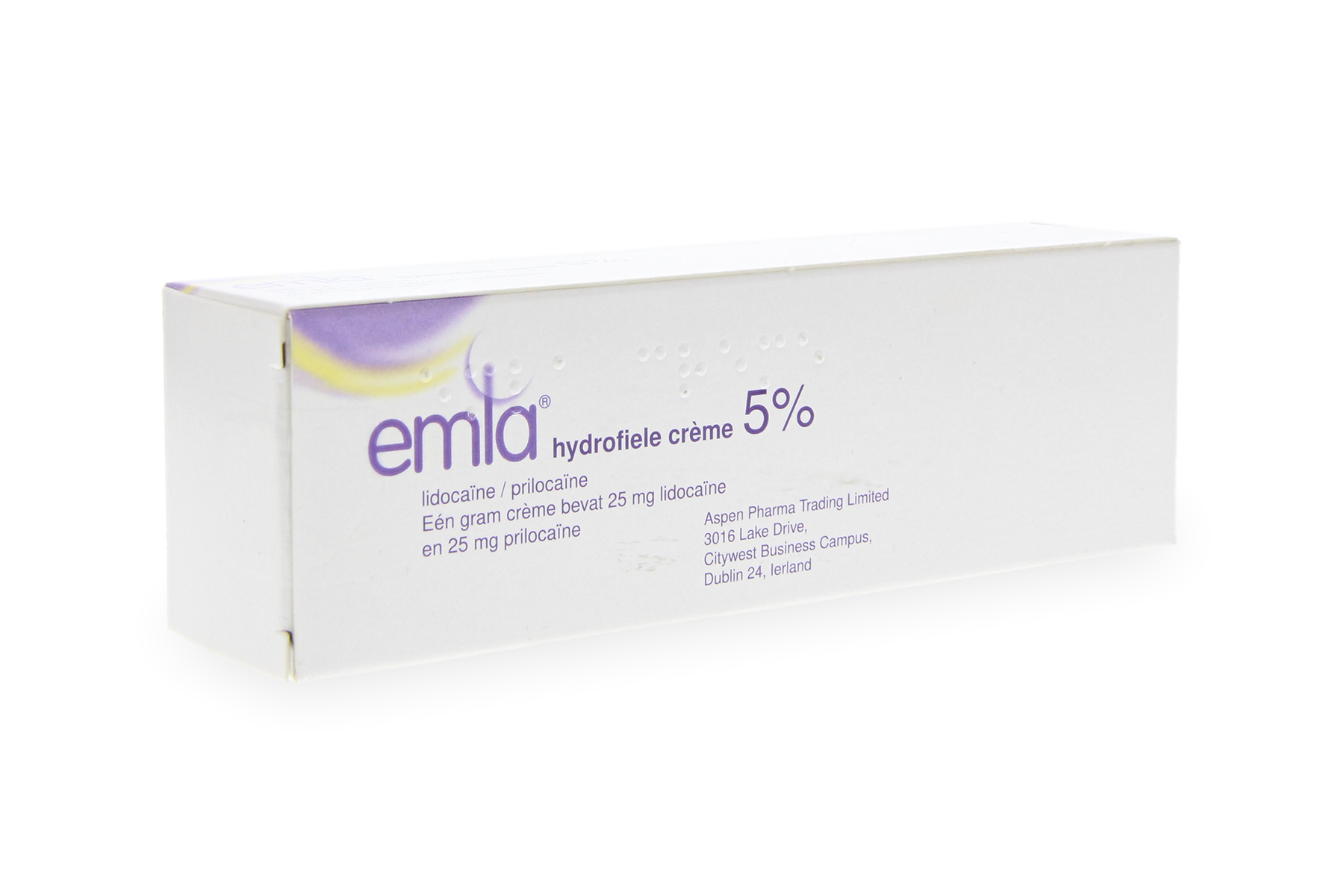
When it comes to topical numbing agents, the two most common options I discuss with my patients are Emla Cream and Xylocaine . Emla is a eutectic mixture of two active ingredients—lidocaine and prilocaine.
Because of this unique formulation, it remains a liquid at room temperature, allowing it to penetrate intact skin much more effectively than standard creams. Xylocaine, on the other hand, contains only lidocaine as its active ingredient.
While Xylocaine is excellent for mucosal surfaces or very superficial relief, Emla Cream is almost always my first-line recommendation for penetrating intact skin prior to a needle insertion or minor skin surgery.
What to expect from treatment
Setting realistic expectations is crucial for success. The most common mistake I see patients make is applying the cream just five minutes before their appointment and feeling disappointed when the procedure still hurts.
For intact skin, these creams need a minimum of 45 to 60 minutes to work effectively. You might notice the treated area looks slightly pale or flushed; this is due to localized vasoconstriction (narrowing of blood vessels) or vasodilation and is completely harmless.
Another clinical insight from my practice: when applying the cream, do not rub it in like a daily moisturizer. You must apply a thick, visible blob and cover it with an occlusive dressing (like a specialized medical plaster or even a piece of household cling film taped at the edges).
The skin absorbs the anesthetic best when it is trapped under a thick, airtight layer.
Self-care and prevention
Beyond using numbing creams, there are practical steps you can take to make procedures easier. If you are having a blood test, drink plenty of water in the 24 hours leading up to it.
Well-hydrated veins are plumper and much easier for a phlebotomist to find, meaning less prodding and a much quicker procedure. I also highly recommend practicing controlled breathing—inhaling deeply through the nose and exhaling slowly through the mouth—during the procedure.
Combining psychological distraction techniques with a physical local anesthetic provides the highest success rate. Finally, here is a vital tip that isn't always obvious on the patient leaflet: ensure the clinician completely wipes away all residual cream before the needle goes in.
If the needle accidentally pushes the actual cream into the deeper layers of your skin, the cream itself can cause a sharp stinging sensation, which entirely defeats the purpose of using it!