Malaria Prophylaxis Options
Available treatment options
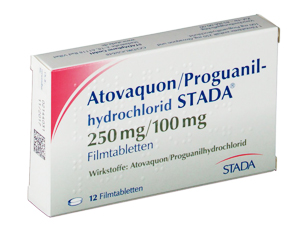
Choosing the right tablet depends heavily on where you are going and your medical history. Atovaquone/Proguanil (often known by the brand name Malarone) is usually my first recommendation for short holidays.
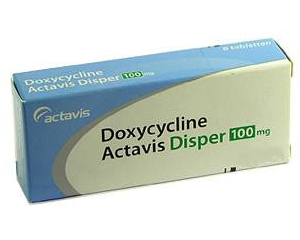
Its main advantage is that you only need to take it for seven days after leaving the risk area. Doxycycline is a fantastic, cost-effective alternative, especially for young backpackers on long trips, but it requires a full four-week course post-travel.
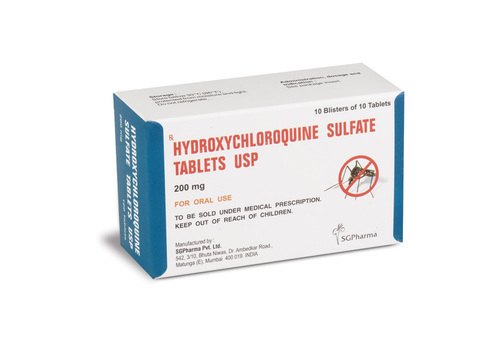
Hydroxychloroquine is rarely my first choice nowadays due to widespread global resistance, but it still has niche applications for very specific regions where resistance hasn't developed. A clinical insight I always stress with Doxycycline is its tendency to cause severe sun sensitivity.
I have seen far more ruined holidays from blistering sunburns in Doxycycline users than from malaria itself, so high-factor SPF is non-negotiable.
What to expect from treatment
Antimalarials are generally well-tolerated, but they can cause mild side effects like nausea, stomach upset, or unusually vivid dreams. Taking your tablets with a large meal and plenty of water significantly reduces stomach irritation.
Here is a vital rule I teach my patients: if you vomit within an hour of taking your tablet, the medication has not been absorbed, and you must take another one.
Because travel sickness and stomach bugs are common abroad, I always prescribe a few extra tablets just in case you need to replace a lost or vomited dose.
Self-care and prevention
Tablets are only half the battle; bite avoidance is just as crucial. Mosquitoes that carry malaria typically bite between dusk and dawn. From my clinical experience, I tell my patients that the moment the sun starts setting, that is your cue to take action.
I strongly recommend the following routine:
- Change into loose-fitting, light-coloured long sleeves and trousers.
- Apply a 50% DEET repellent generously to all exposed skin.
- Pay special attention to your ankles and the backs of your legs, as these are prime targets for low-flying mosquitoes.
- Always sleep under an intact, treated mosquito net if your room lacks sealed windows or air conditioning.
Remember, no single method is 100% effective on its own, which is why layering these precautions is the key to safe travel.