Your Guide to Melatonin Treatments
Available treatment options
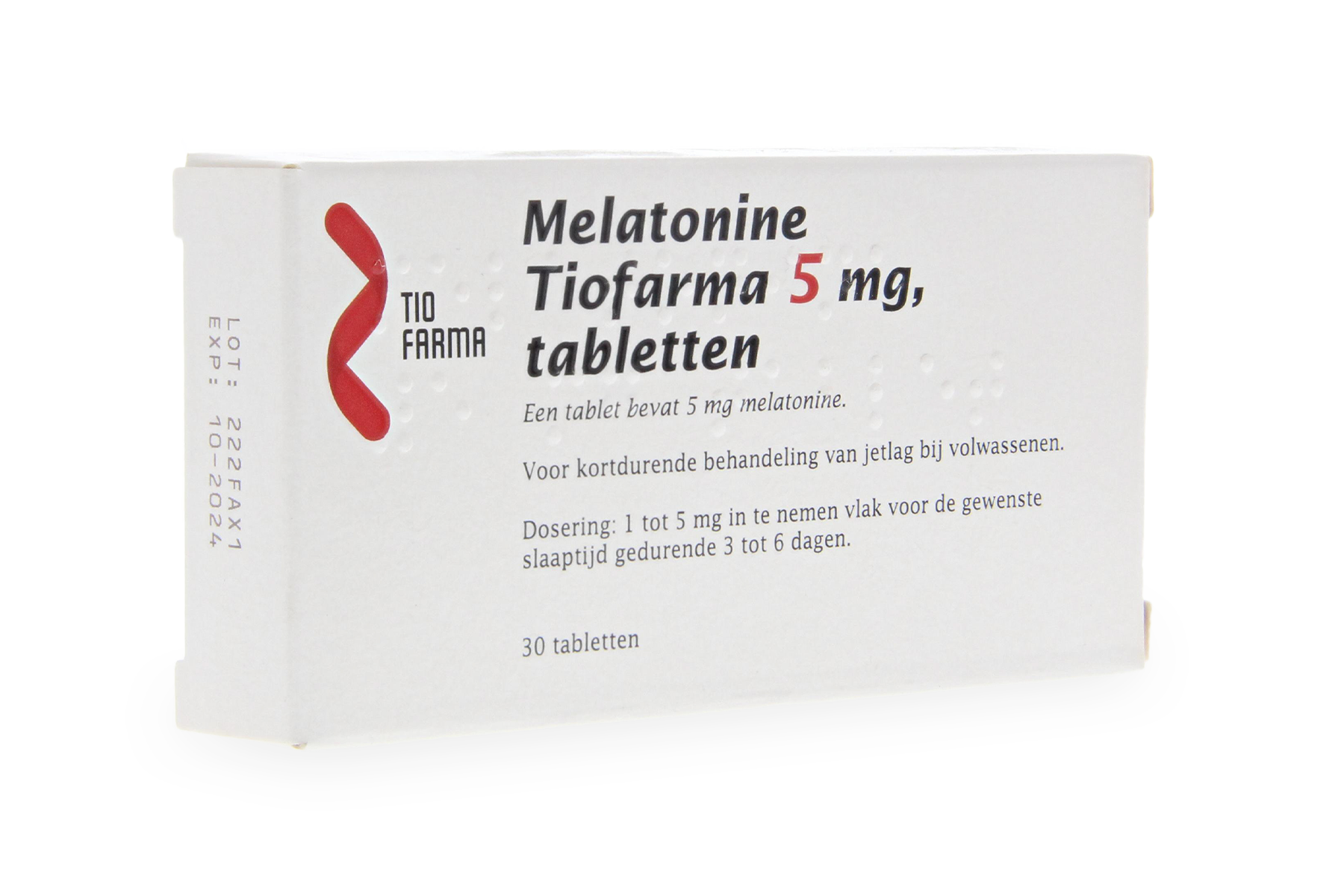
In the UK, unlike some other countries, melatonin is a prescription-only medication. This ensures you are getting a safe, strictly regulated dose. We typically prescribe Melatonin in two forms.
The most common licensed formulation I prescribe is Circadin , which is a prolonged-release tablet. Officially, Circadin is licensed for short-term use in adults over 55, because our natural melatonin production declines significantly as we age.
However, as doctors, we frequently prescribe it 'off-label' for younger adults suffering from severe jet lag or shift-work sleep disorder. While immediate-release melatonin helps you nod off quickly, I often prefer prolonged-release options like Circadin because they mimic the body's natural, steady secretion throughout the night, helping you maintain sleep rather than just initiating it.
What to expect from treatment
It is vital to have realistic expectations. Melatonin is not a magic bullet that will knock you out instantly. It usually takes a few days of consistent use at the exact same time each evening to gently nudge your circadian rhythm back into alignment.
Most of my patients report a subtle, natural feeling of drowsiness about one to two hours after taking it. One clinical observation I frequently see—which isn't always highlighted in standard patient leaflets—is that people often experience incredibly vivid dreams during their first few days on melatonin.
This is usually harmless and is actually a sign that your brain is catching up on suppressed REM sleep, but it is good to be prepared for it.
Self-care and prevention
Medication should always be a stepping stone, not a permanent crutch. The most effective long-term strategy is robust sleep hygiene. Beyond the standard advice of avoiding screens, I want to share a physiological trick: your core body temperature needs to drop by about one degree to initiate sleep.
I advise patients to take a hot bath 90 minutes before bed. This works not because the bath makes you warm and cosy, but because the rapid cooling of your body once you step out mimics the natural pre-sleep temperature drop, which beautifully synergises with your natural or supplemented melatonin release.
Combine this with getting bright sunlight in your eyes within 30 minutes of waking up, and you will effectively anchor your biological clock for the long term.