Motion Sickness Treatment Guide
Available treatment options
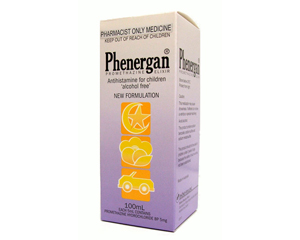
When it comes to pharmacological help, we have several highly effective options. I typically recommend Phenergan (promethazine) as a first-line defence for long journeys. It is a sedating antihistamine that works directly on the vomiting centre in the brain.
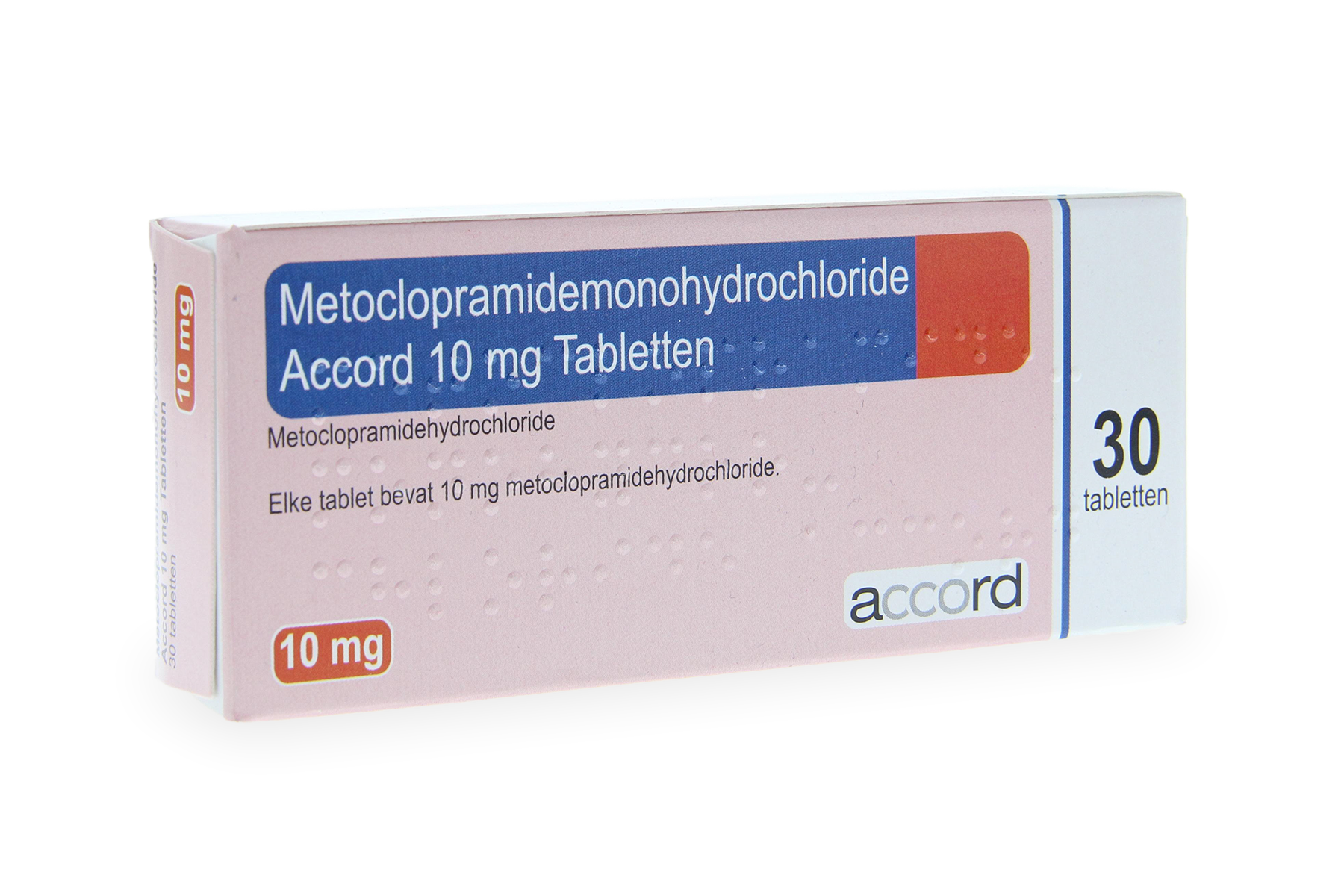
Because it causes drowsiness, it is absolutely excellent for overnight flights or long train rides where you want to sleep through the motion. However, for patients who already have severe nausea or who suffer from intractable vomiting where standard antihistamines fail, Metoclopramide can be incredibly useful.
It works differently by speeding up the digestive tract and blocking dopamine receptors in the brain. While I don't routinely prescribe it for a simple car ride, it is a powerful tool in my GP arsenal for severe, debilitating travel sickness.
What to expect from treatment
Setting realistic expectations is a vital part of my consultations. If you take Phenergan, expect to feel quite sleepy—this is a feature, not a bug, for anxious travellers, but it means you absolutely cannot drive.
The drowsiness can linger into the next day. A clinical pearl I often share is to take the dose the night before an early morning flight; you will benefit from the anti-sickness effect the next day with slightly less acute morning grogginess.
With Metoclopramide, you can expect a faster relief of nausea, usually within 30 to 60 minutes, but it does not have the same preventative longevity as antihistamines. Expect some dry mouth with most of these medications, so keep a bottle of water handy.
Self-care and prevention
Medication is only half the battle; environmental modifications are just as crucial. Beyond the standard advice of looking at the horizon, I advise my patients to try actively tilting their head into the turns of the road as if they were the driver.
This simple physical adjustment helps align your inner ear's fluid movement with the visual cues of the road. Additionally, pay close attention to your pre-travel diet. Avoid heavy, high-histamine foods like aged cheeses, cured meats, or red wine 24 hours before travel.
Histamine plays a direct role in triggering the motion sickness pathways in the brain, and lowering your dietary intake can raise your threshold for nausea significantly.