Your Guide to Anti-inflammatory Treatments
Available treatment options
We have a fantastic range of NSAIDs available today, and I always tailor the choice to the patient's stomach health, cardiovascular risk, and the location of the pain.
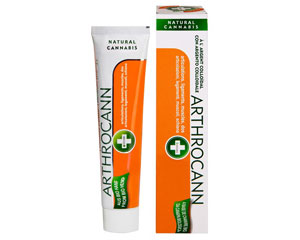
For localized pain, such as a sore knee or finger joints, I almost always recommend starting with a topical treatment. Arthrocann Gel , which incorporates hemp seed extract, is excellent for soothing superficial joint pain.
Another fascinating topical is Solaraze Gel . While it contains the NSAID diclofenac, patients are often surprised to learn I prescribe it for actinic keratosis (sun-damaged skin lesions), as the anti-inflammatory action helps clear the abnormal skin cells.
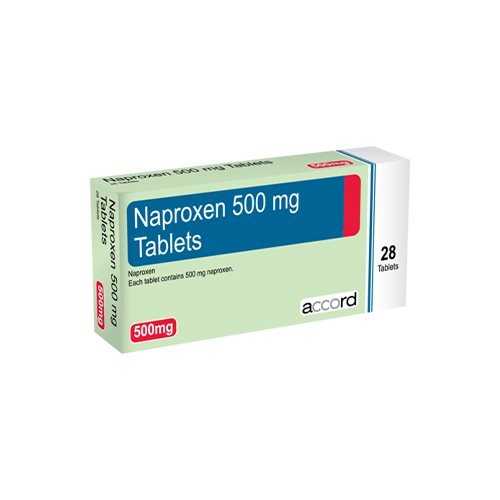
When we need oral medications for deeper or more widespread pain, Naproxen is frequently my first-line choice. It offers a robust anti-inflammatory effect with a slightly safer cardiovascular profile compared to older NSAIDs.
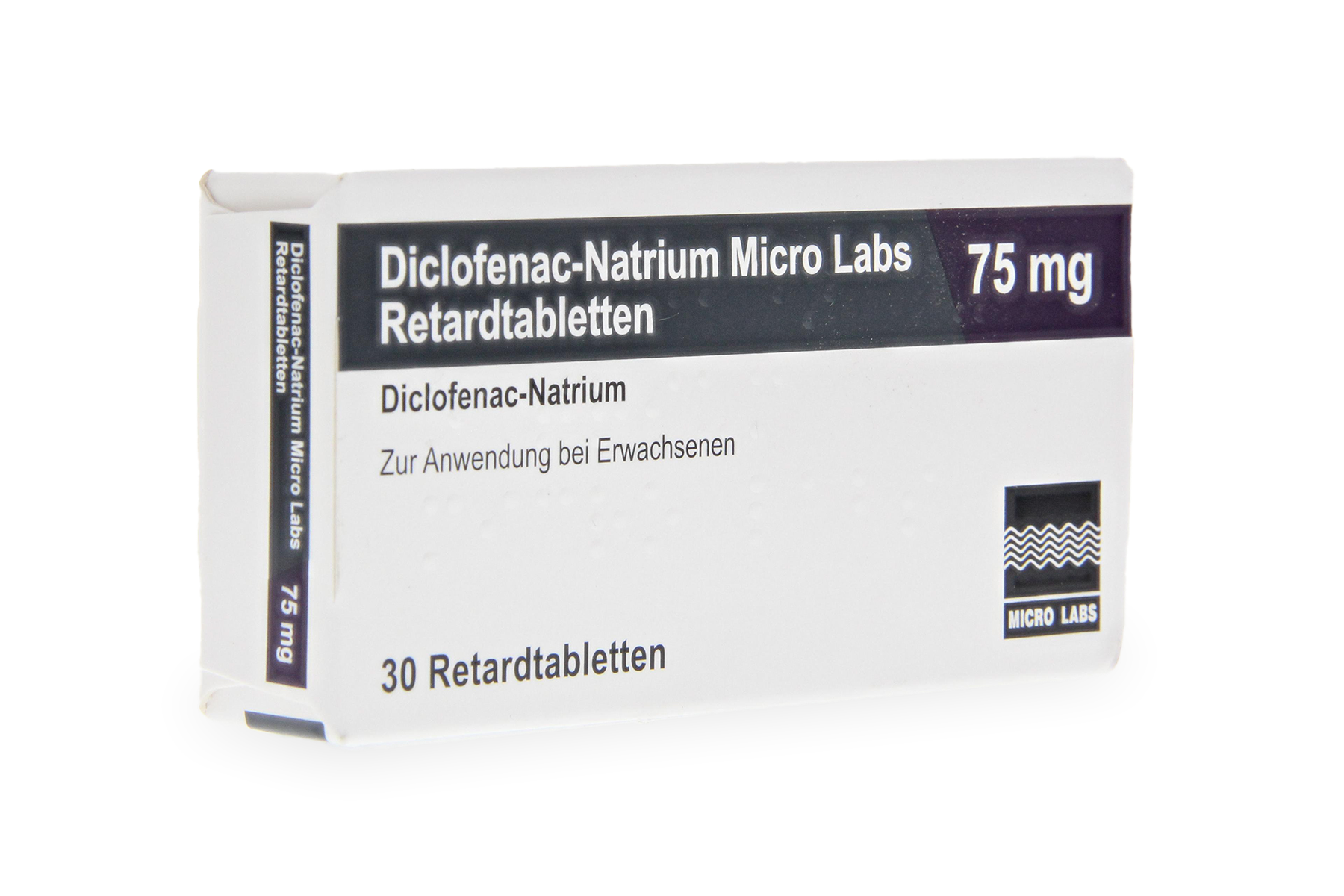
Diclofenac is also highly effective for severe acute pain, though I monitor stomach health closely when prescribing it.
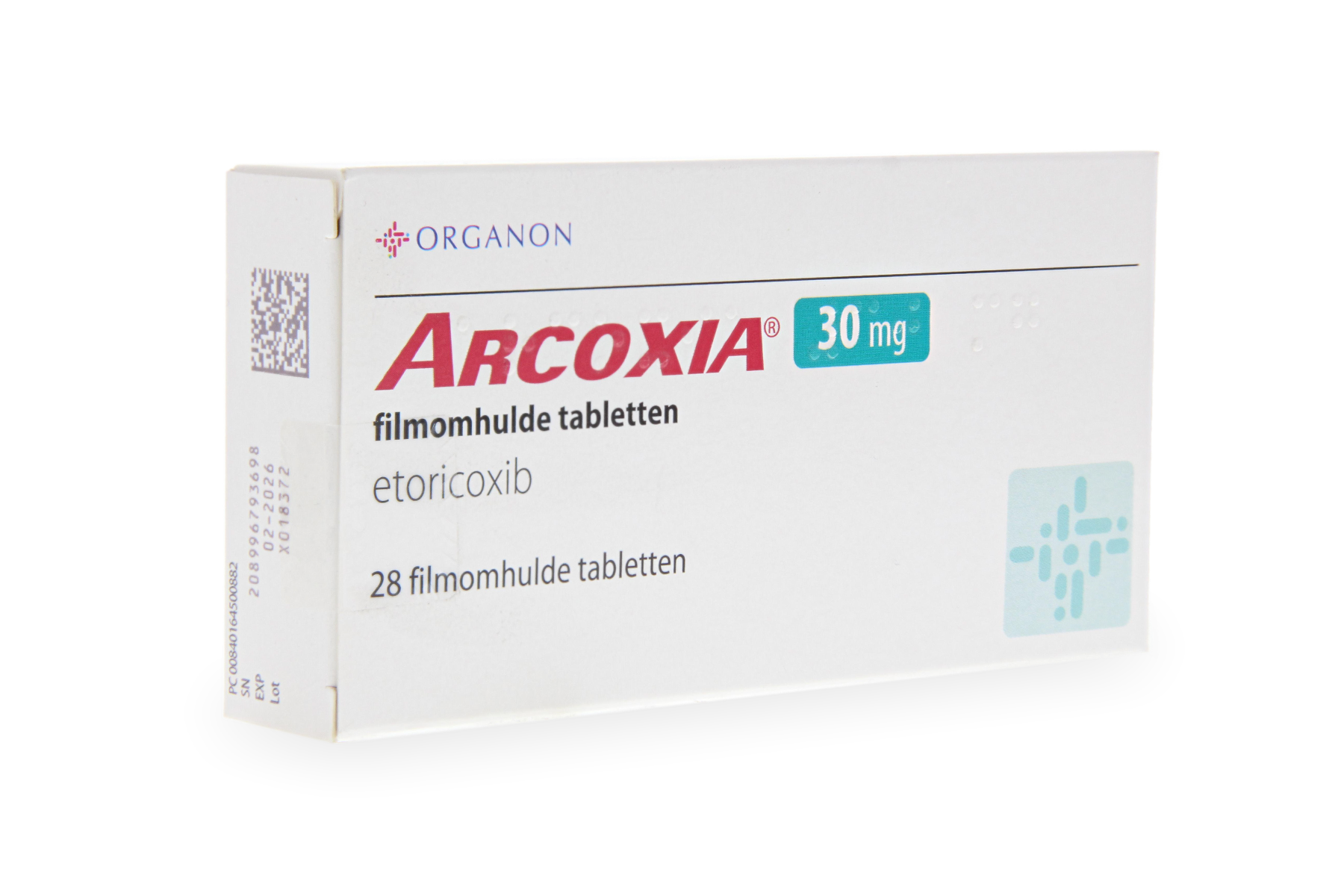
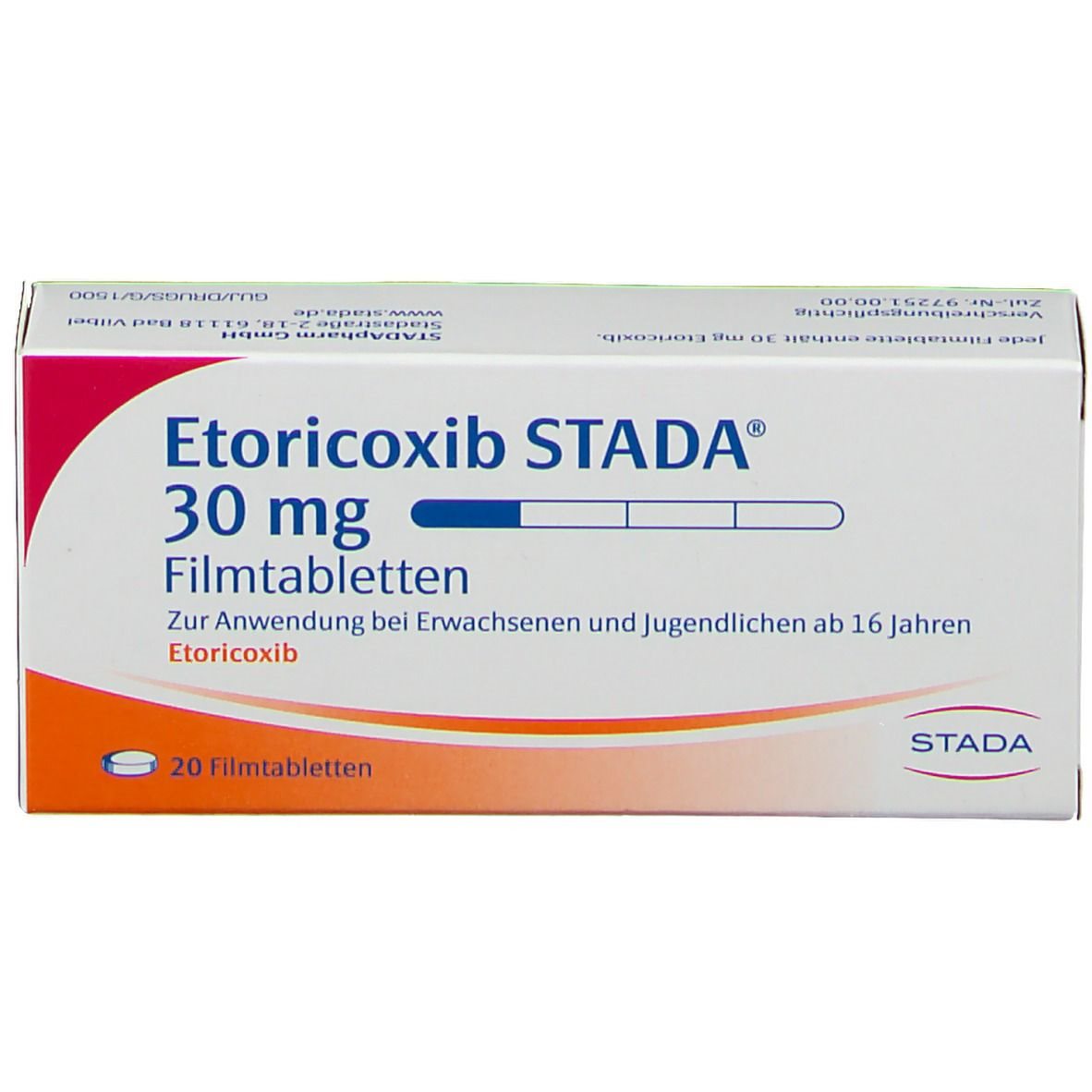
For patients with sensitive stomachs or chronic arthritis, I look toward COX-2 inhibitors. Etoricoxib (often known by the brand name Arcoxia ) is specifically designed to be gentler on the stomach lining while providing powerful relief for conditions like gout or rheumatoid arthritis.
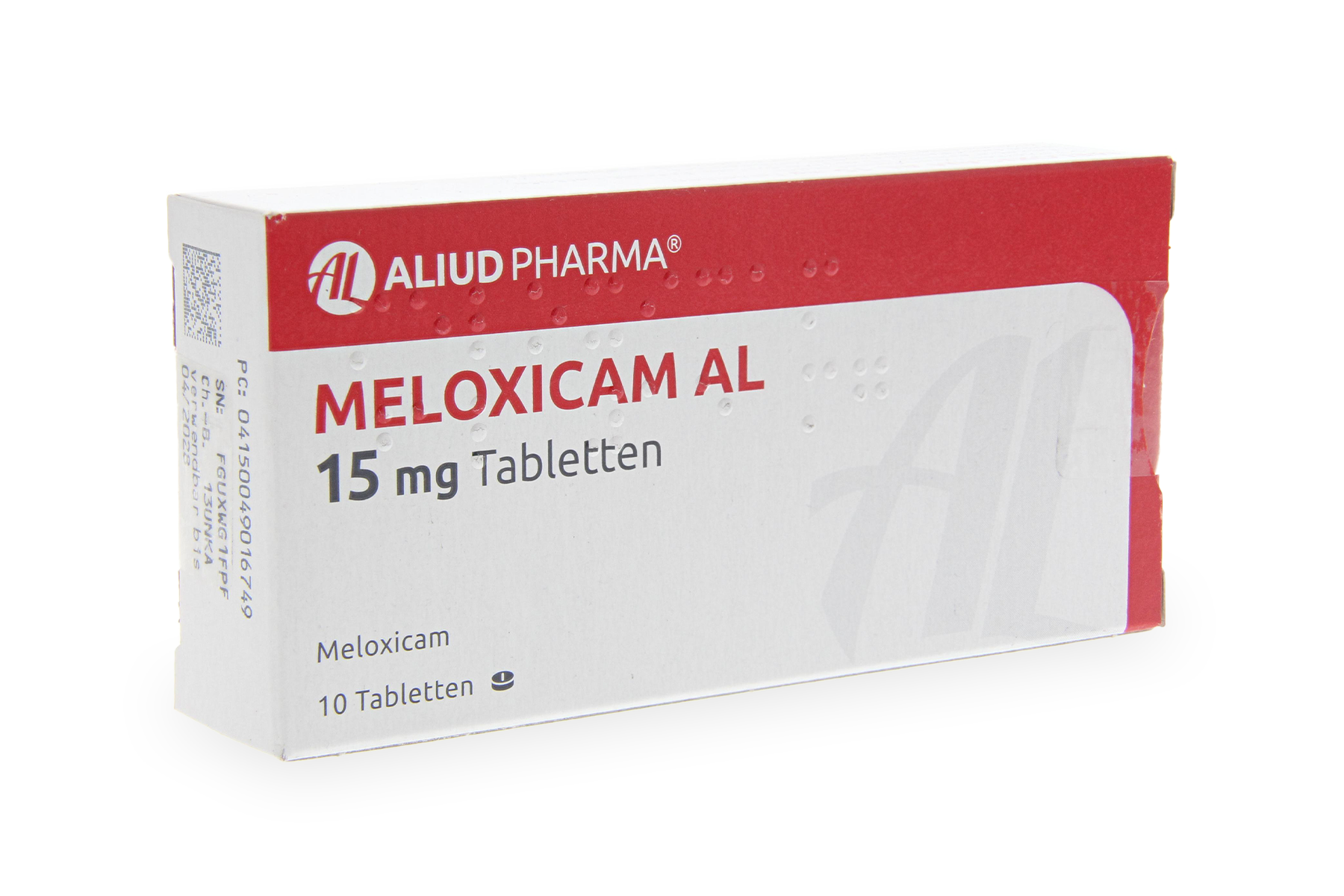
Similarly, Meloxicam is a brilliant option for chronic joint pain because it only requires a single daily dose, which dramatically improves patient compliance.
What to expect from treatment
Managing expectations is a huge part of my job. If you take an oral NSAID, you will likely feel the pain-relieving effects within 45 to 60 minutes. However—and this is a crucial insight many patients miss—the actual anti-inflammatory benefit builds up over time.
If you are taking Naproxen or Meloxicam for a swollen knee, it can take 7 to 14 days of consistent use to see the maximum reduction in swelling.
Taking a tablet here and there simply won't give you the full therapeutic effect.
You must also expect to manage your stomach. NSAIDs can irritate the gastric lining, so I strictly advise my patients to take their oral doses with a substantial meal, not just a cup of tea and a biscuit.
If you require long-term treatment, I will typically co-prescribe a stomach protector (a proton pump inhibitor) to keep you safe.
Self-care and prevention
Medication is only half the battle. From years of clinical experience, I can tell you that patients who combine NSAIDs with active self-care recover much faster. Instead of complete bed rest, which actually causes joints to stiffen further, I advocate for "movement snacks." These are two-minute periods of gentle, unweighted range-of-motion exercises done every hour to keep the synovial fluid lubricating your joints.
Additionally, use temperature to your advantage. Use ice packs for the first 48 hours of an acute, hot, swollen injury to constrict blood vessels. After that, or for chronic morning stiffness, switch to a hot water bottle.
The heat dilates blood vessels, bringing healing nutrients to the area and working synergistically with your prescribed NSAID.