Medical Treatments for Osteoporosis
Available treatment options
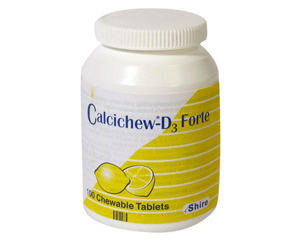
Treating osteoporosis usually involves a multi-pronged approach: strengthening the bone directly and ensuring your body has the raw materials it needs. For the raw materials, I frequently prescribe high-dose Vitamin D and calcium supplements.
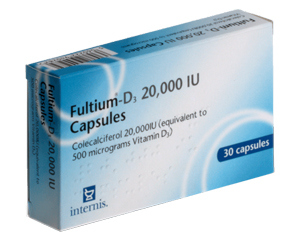
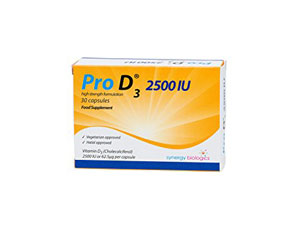
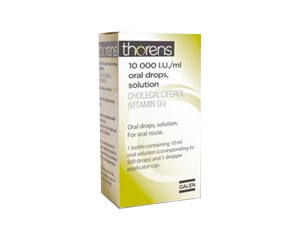
Products like Calcichew-D3 provide a combined approach, while Fultium D3 , Pro D3 , and Thorens are excellent for correcting isolated Vitamin D deficiencies, which are incredibly common in the UK due to our lack of sunlight.
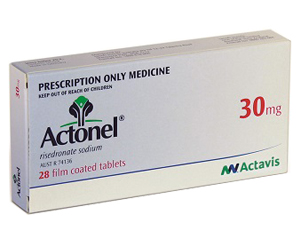
To actively stop bone breakdown, bisphosphonates are my usual first-line recommendation. Actonel (risedronate) is highly effective at slowing bone loss. A crucial clinical pearl: you must take Actonel with plain tap water.
Taking it with mineral water, tea, or coffee will bind the medication to the minerals in the drink, meaning your body absorbs almost none of it. For women whose osteoporosis is closely linked to recent menopause, Hormone Replacement Therapy (HRT) can be protective.
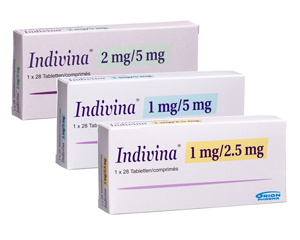
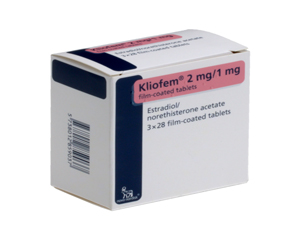
I sometimes prescribe continuous combined HRT like Kliofem or Indivina to help maintain bone density while simultaneously managing menopausal symptoms.
What to expect from treatment
It is vital to have realistic expectations regarding the timeline of bone treatments. Bone turnover is a very slow biological process. Many patients get frustrated when they don't 'feel' any different after months of taking Actonel or Vitamin D.
Remember, the goal of treatment is the absence of a fracture—so feeling nothing is actually a good sign! Furthermore, I rarely order a repeat DEXA scan before two to three years of treatment.
A scan done too early often shows 'no change', which patients interpret as a failure. In the world of osteoporosis, stabilizing your bone density and stopping further loss is a massive clinical success.
Self-care and prevention
Medication is only half the battle. Your lifestyle plays a massive role in bone health. A common misconception I see involves exercise. Many patients tell me they swim or cycle daily to help their bones.
While excellent for cardiovascular health, these exercises are non-weight-bearing and do very little to stimulate bone growth. To build bone density, your skeleton needs to feel the impact of gravity.
I recommend brisk walking, dancing, or even simple heel drops (raising up on your toes and dropping heavily onto your heels) while waiting for the kettle to boil.
Combining this impact exercise with balance training, like Tai Chi, is the most effective way to prevent the falls that lead to fractures in the first place.