A Doctor's Guide to Managing Parkinson's Disease
Available treatment options
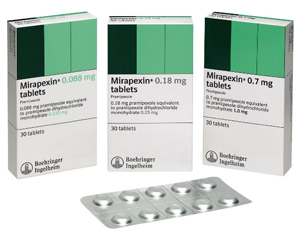
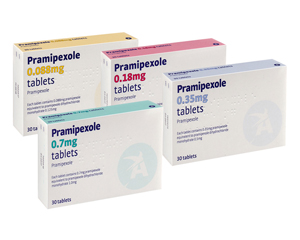
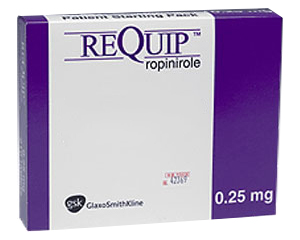
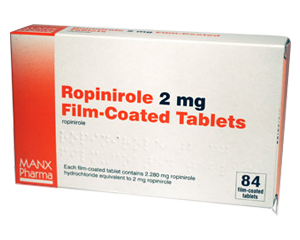
We have several excellent medications that essentially act as dopamine substitutes or mimic its effects. Dopamine agonists, such as Pramipexole (often prescribed under the brand name Mirapexin ) and Ropinirole (brand name Requip ), are frequently used.
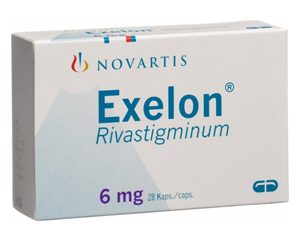
They trick the brain into thinking it has enough dopamine. I often see these used as first-line treatments in younger patients to delay the use of levodopa. For patients who also experience cognitive changes or mild dementia alongside their motor symptoms, we might look at medications like Exelon , which comes as a convenient daily patch.
The patch is particularly brilliant because it avoids the stomach entirely, providing a steady release of medication and drastically reducing the nausea that oral pills can sometimes cause.
What to expect from treatment
It is vital to have realistic expectations. These medications are not a cure, but they are exceptional at turning back the clock on your symptoms. You might find that a dose works beautifully for a few hours, but you start feeling stiff before your next pill is due—we call this the "wearing-off" phenomenon.
From my clinical experience, the most surprising side effect patients face with dopamine agonists is impulse control disorders. I always warn patients and their families to watch out for sudden, uncharacteristic urges to gamble, over-shop, or hypersexuality.
Please remember this is a chemical side effect of the dopamine stimulation, not a moral failing, and it resolves quickly when we adjust your dose.
Self-care and prevention
Medication is only half the prescription; the other half is movement. I cannot stress enough the importance of high-intensity, forced-rate exercise. Activities like stationary cycling at a high cadence or non-contact boxing have been shown to actually promote neuroplasticity—helping your brain route signals around the damaged dopamine pathways.
I tell my patients to exercise until they are slightly out of breath and sweating, at least three times a week. Additionally, constipation is a massive, often unspoken burden in Parkinson's.
Drinking two litres of water and taking a daily psyllium husk supplement can drastically improve your absorption of Parkinson's medications, as a sluggish gut will physically trap your pills before they can reach your bloodstream.