Psoriasis Treatment Guide
Available treatment options
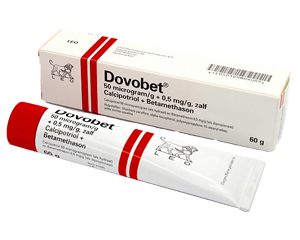
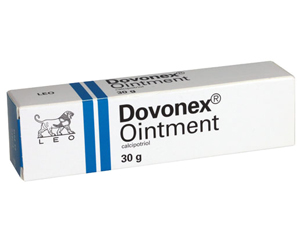
When we look at prescription topical treatments, we usually step up a 'ladder' of potency. For mild to moderate plaques, I often start patients on a vitamin D analogue combined with a steroid, like Dovobet , or a standalone vitamin D cream like Dovonex .
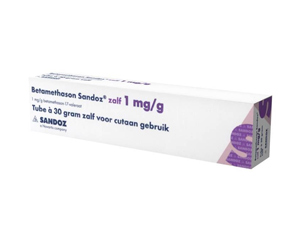
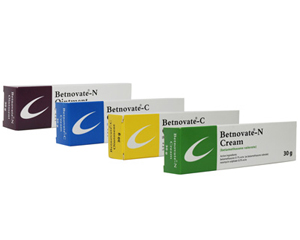
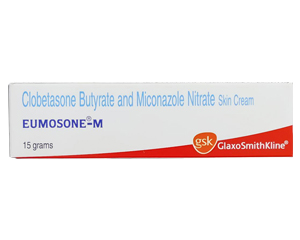
If we need just a steroid, moderate options like Clobetasone Butyrate or standard Betamethasone (often found under the brand name Betnovate ) are reliable workhorses.
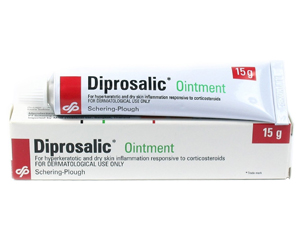
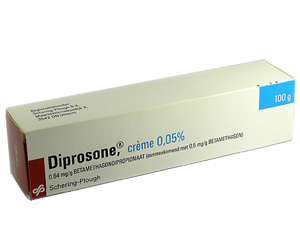
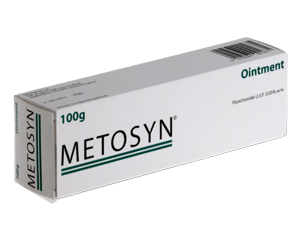
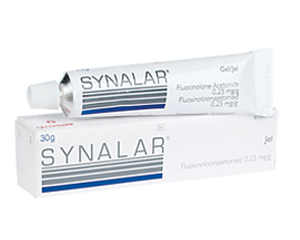
For stubborn, thicker plaques, we move to potent steroids. Diprosone and Metosyn are excellent for this, as is Synalar . If the plaques are very scaly and hard, Diprosalic is a brilliant choice because it contains salicylic acid to melt away the scale, allowing the steroid to actually penetrate the skin.
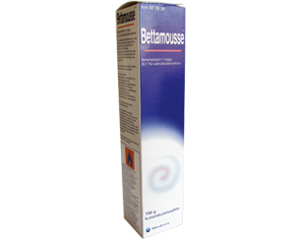
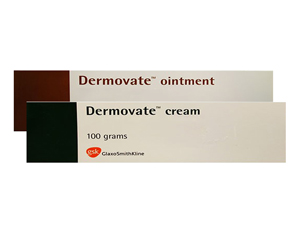
For the scalp, standard creams are too messy and mat the hair, so I prescribe liquid or foam formulations like Bettamousse . When dealing with very severe, localised patches that simply will not budge, we bring in ultra-potent options like Dermovate .
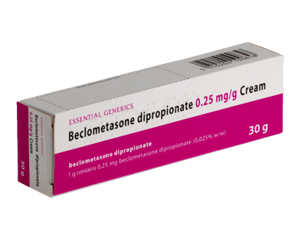
Finally, Beclometasone is another steroid option we sometimes use for specific inflammatory responses.
A clinical pearl I always share: I advise patients to apply their steroid creams strictly to the red plaque only, but to apply their vitamin D creams slightly over the edge into the normal skin—this helps prevent the plaque from expanding outward.
What to expect from treatment
Standard leaflets say 'use for 4 weeks', but realistically, you will see the redness and itching fade in the first week, while the thickness and scaling take about three to four weeks to completely flatten.
A very common scenario in my practice is when a plaque heals, it leaves behind a flat, discoloured patch (either darker or lighter than your normal skin). Many patients panic, thinking the psoriasis is spreading or getting worse.
This is actually post-inflammatory hyperpigmentation (or hypopigmentation). It means the treatment has worked perfectly, the inflammation is gone, and your skin colour will normalise over several months.
Self-care and prevention
Moisturising is crucial, but how you do it matters far more than what expensive brand you use. The '3-minute rule' is my golden advice: apply your emollient within three minutes of stepping out of a lukewarm shower to physically lock in the ambient moisture before it evaporates.
Furthermore, standard advice always says to 'avoid stress', which is frankly impossible for most people. Instead, I tell my patients to track their sleep quality. In my clinical experience, a sudden drop in deep, restorative sleep is a far more accurate predictor of an impending psoriasis flare-up than perceived psychological stress.
Prioritise your sleep hygiene to keep your immune system stable.