
Asthma
View Treatments
Order Respiratory Health treatments online in the UK. Discreet repeat prescriptions for Salbutamol, Montelukast, and inhalers with clinical review.
<p>Many of my patients come to me concerned about their breathing, often feeling anxious and exhausted by the simple act of trying to draw a full breath. As a GP, I see firsthand how respiratory conditions—whether it's a sudden asthma flare-up, the daily hurdles of COPD, or the seasonal misery of severe allergies—can shrink your world and limit your daily activities.</p><p>When you are struggling with your respiratory health, it is easy to feel overwhelmed by the sheer number of inhalers, sprays, and tablets available. You might be wondering why you need two different inhalers, or why your current treatment doesn't seem to be lasting through the night. I want to assure you that this confusion is completely normal, and finding the right balance is a journey we take together.</p><p>The good news is that we have an incredibly robust toolkit today. By understanding the specific mechanics of your airways and matching them with the right medications, we can transform your breathing from a conscious struggle back to an automatic, effortless process. Let's explore how we can get your respiratory health back on track.</p>
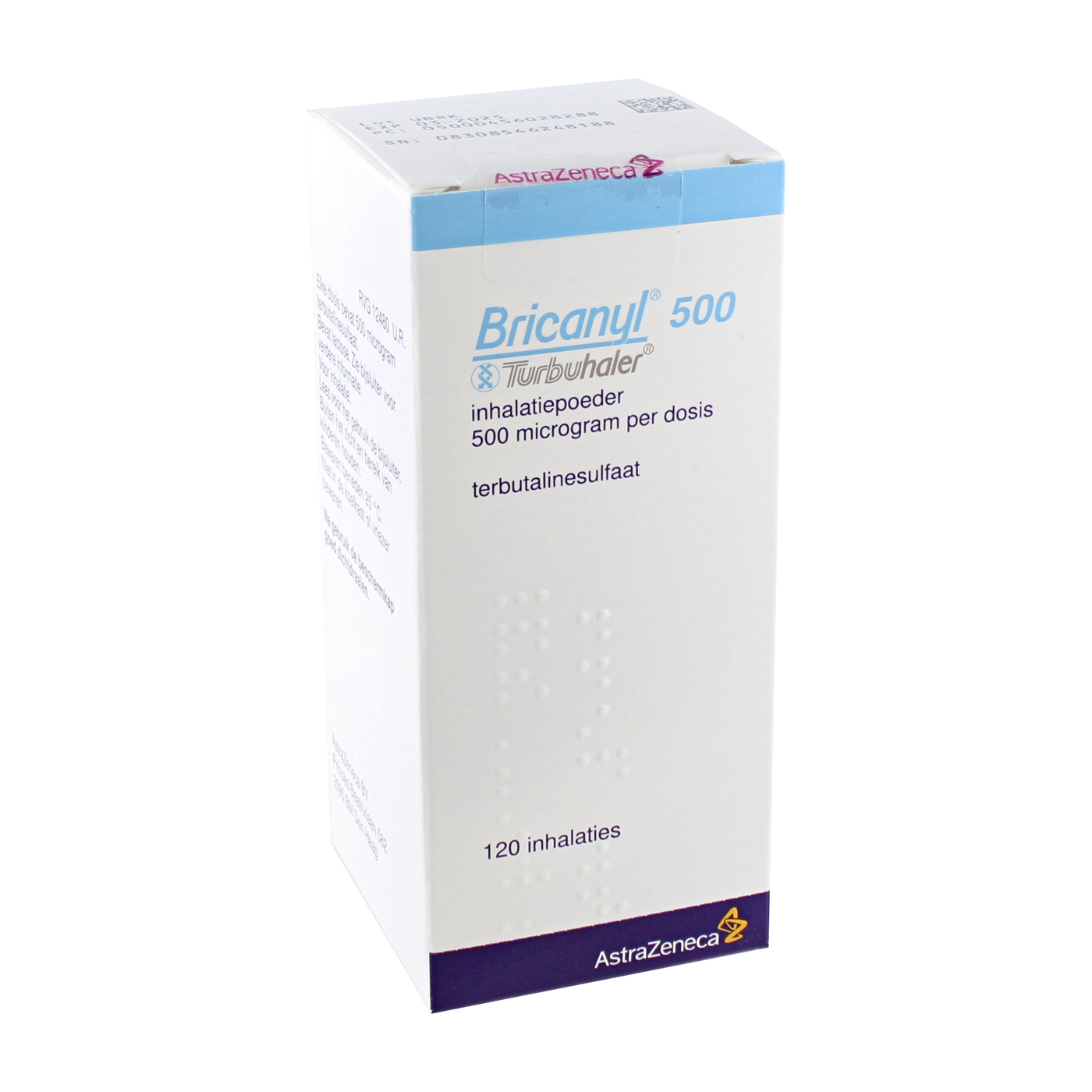
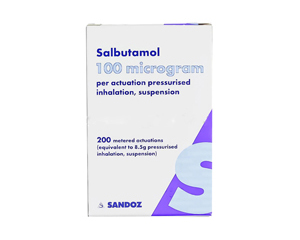
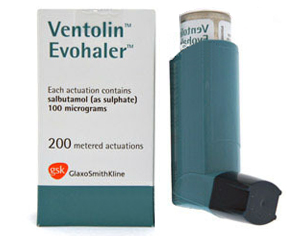
We have a vast array of treatments, and I always tailor my prescription to the patient's specific inhalation technique and lifestyle. For immediate relief of bronchospasm, short-acting relievers like Salbutamol (often known by the brand Ventolin ) or Bricanyl are the first line.
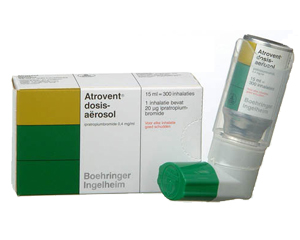
For COPD patients, we might use a short-acting bronchodilator like Atrovent .
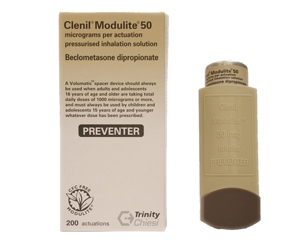
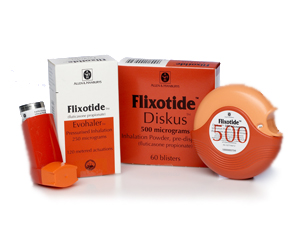
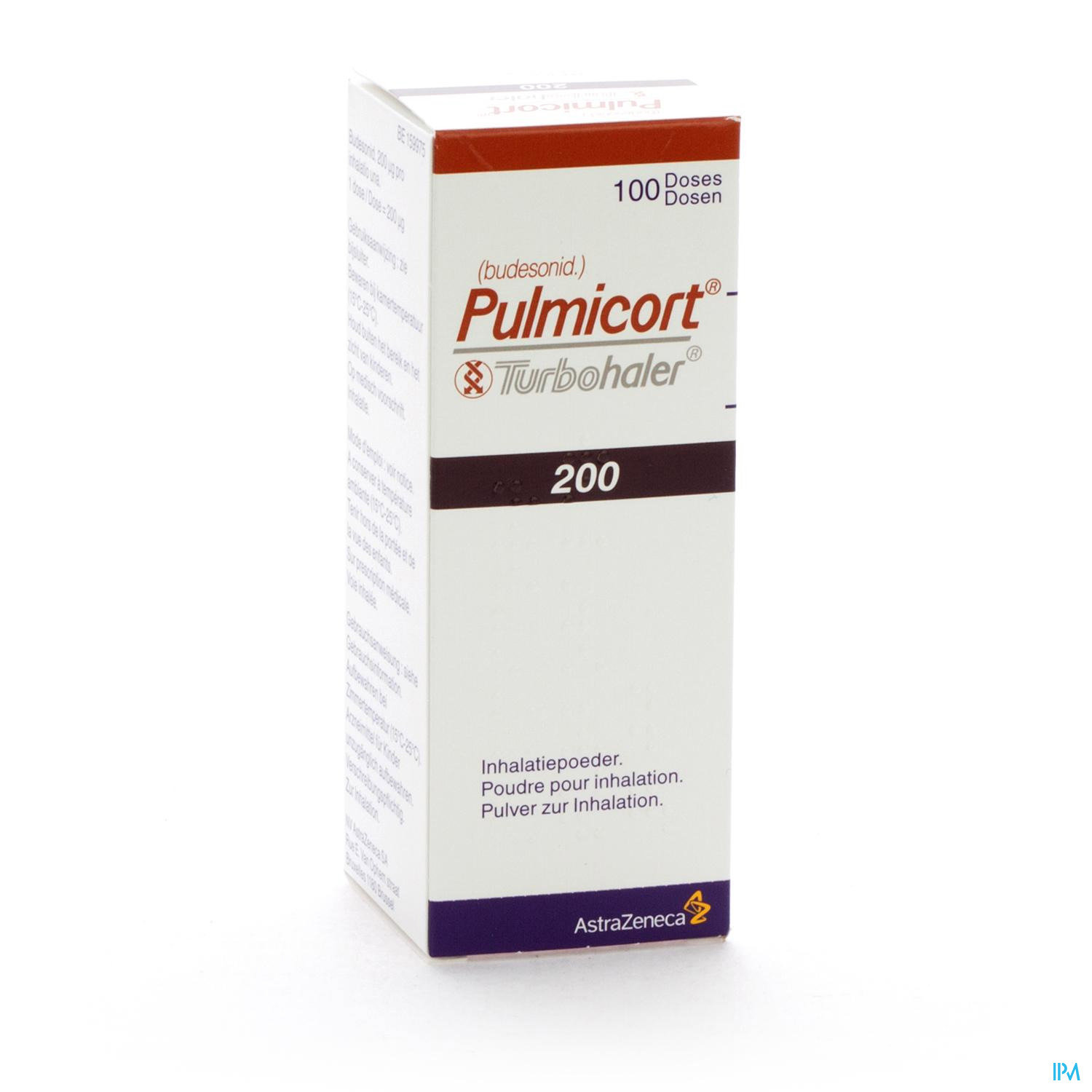
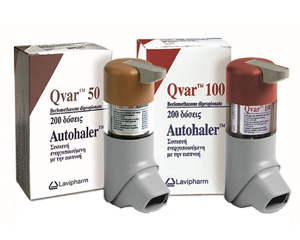
However, the cornerstone of asthma care is prevention. I frequently start patients on inhaled corticosteroids like Clenil Modulite , Qvar , Pulmicort , Beclometasone , or Flixotide .
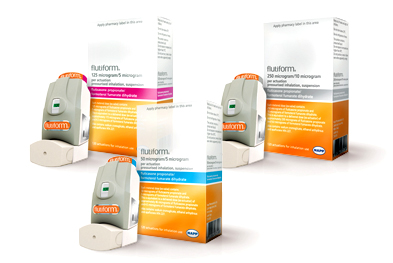
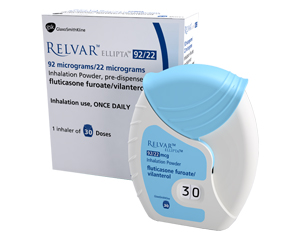
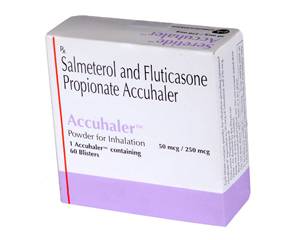
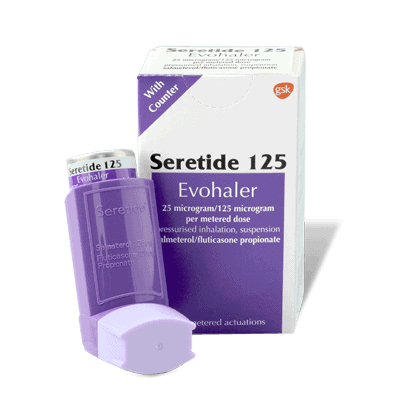
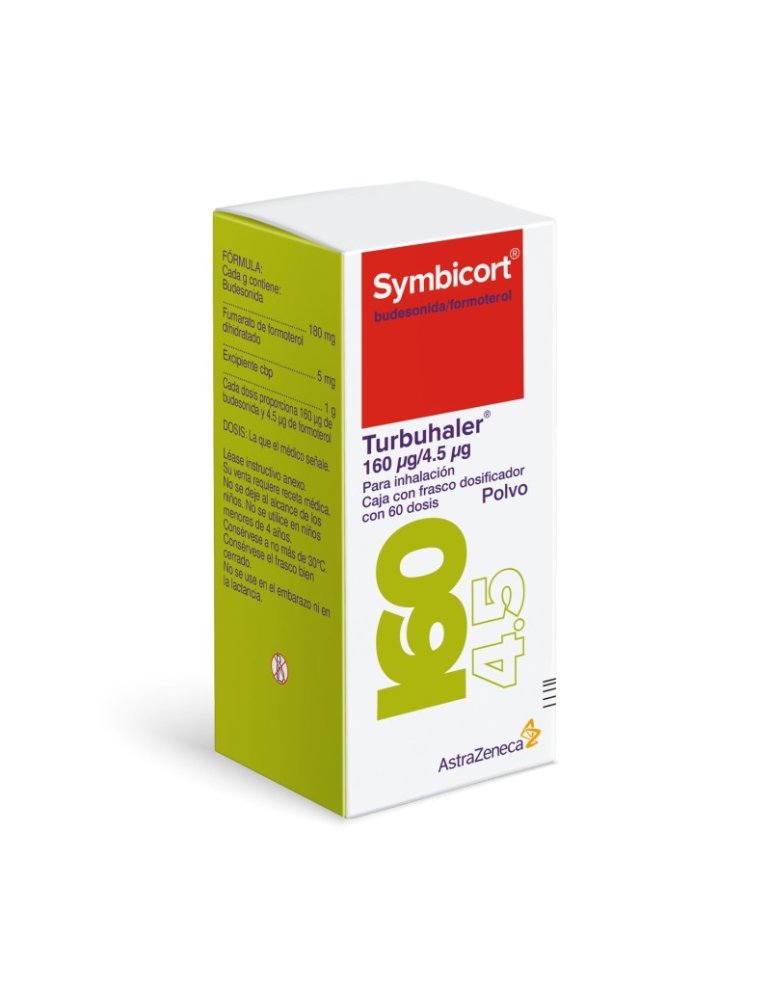
If a single preventer isn't enough, we move to combination inhalers that blend a steroid with a long-acting reliever. Excellent options here include Symbicort , Seretide , Relvar , and Flutiform .
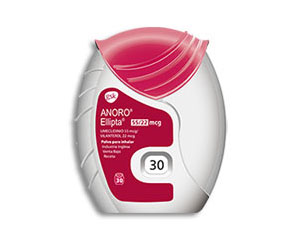
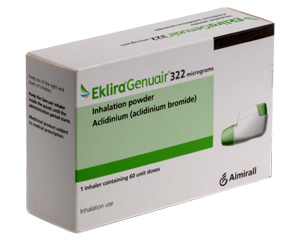
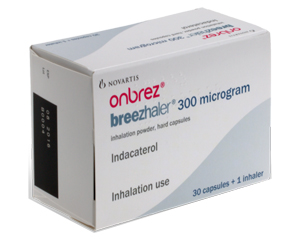
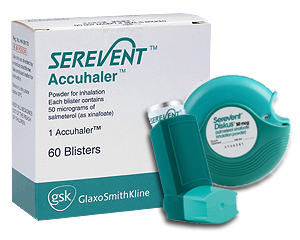
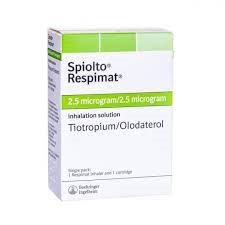
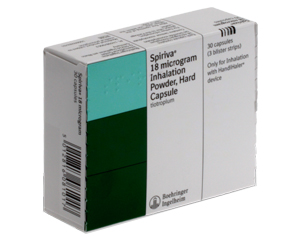
For my COPD patients, long-acting muscarinic antagonists (LAMAs) and long-acting beta-agonists (LABAs) are vital for keeping airways open all day. I often prescribe Spiriva , Eklira , Onbrez , Serevent , Salmeterol , or dual-therapies like Anoro and Spiolto .
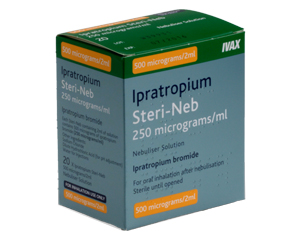
In severe cases or during acute flare-ups, I may recommend using a nebuliser with Ipratropium Steri-Neb .
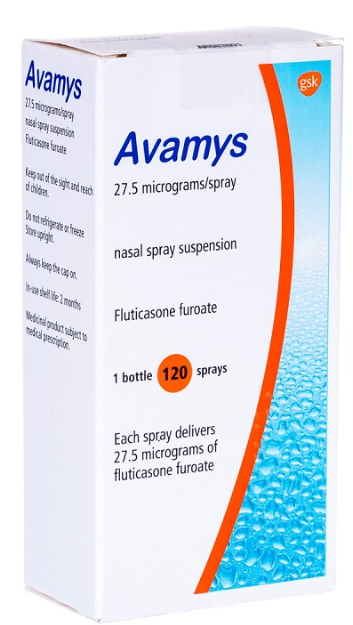
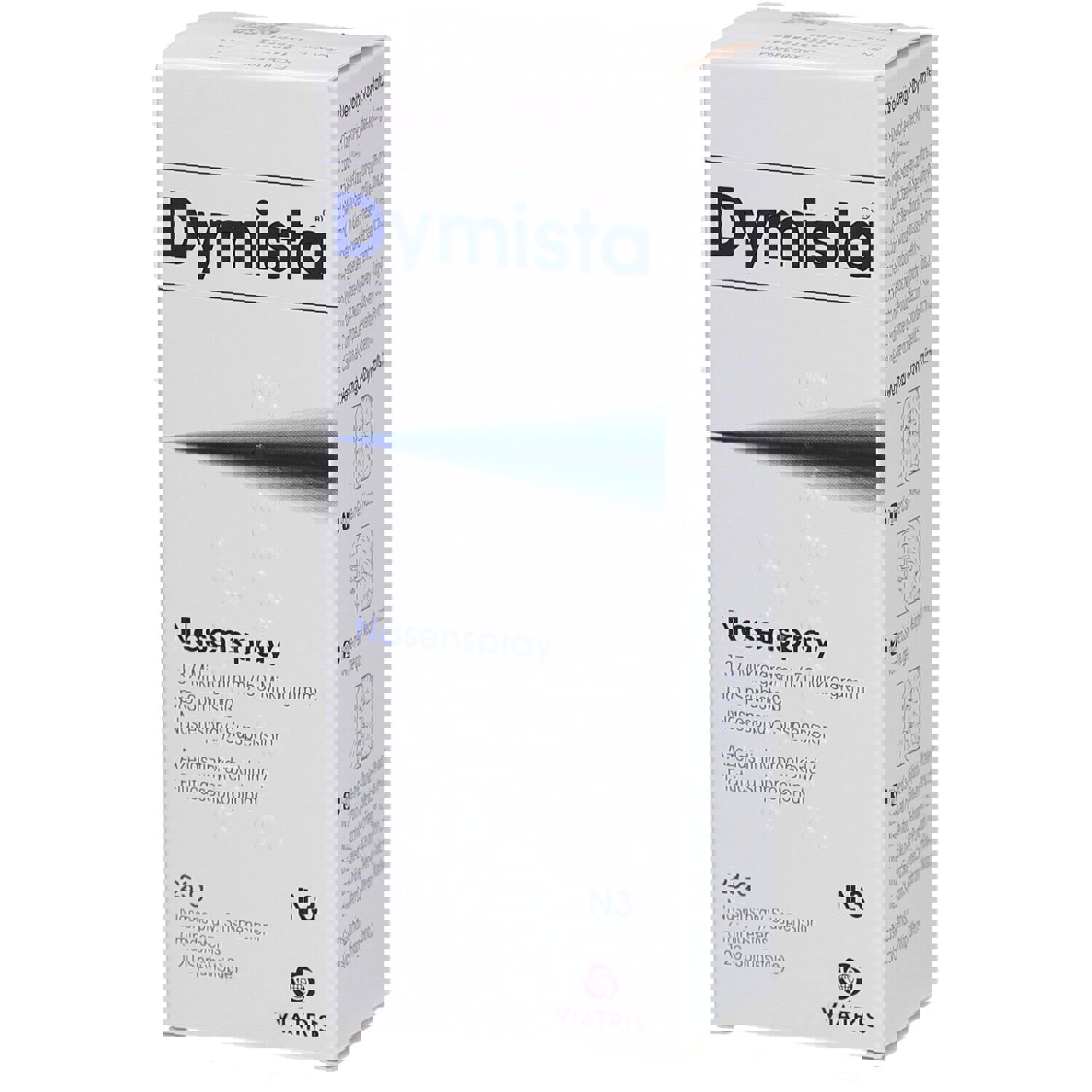
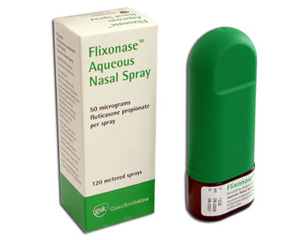
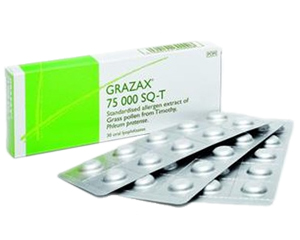
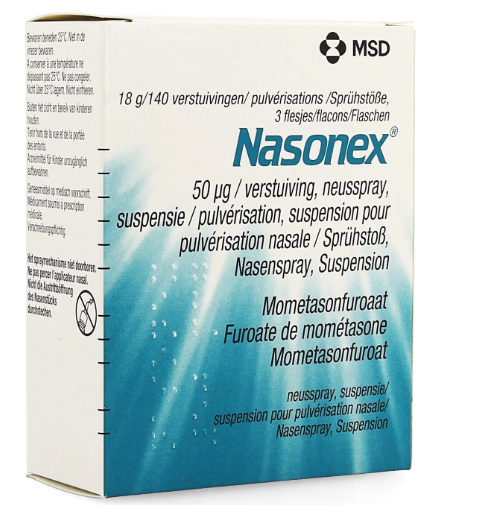
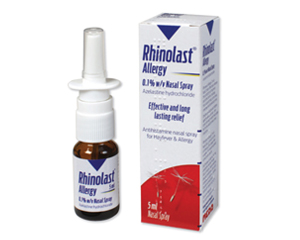
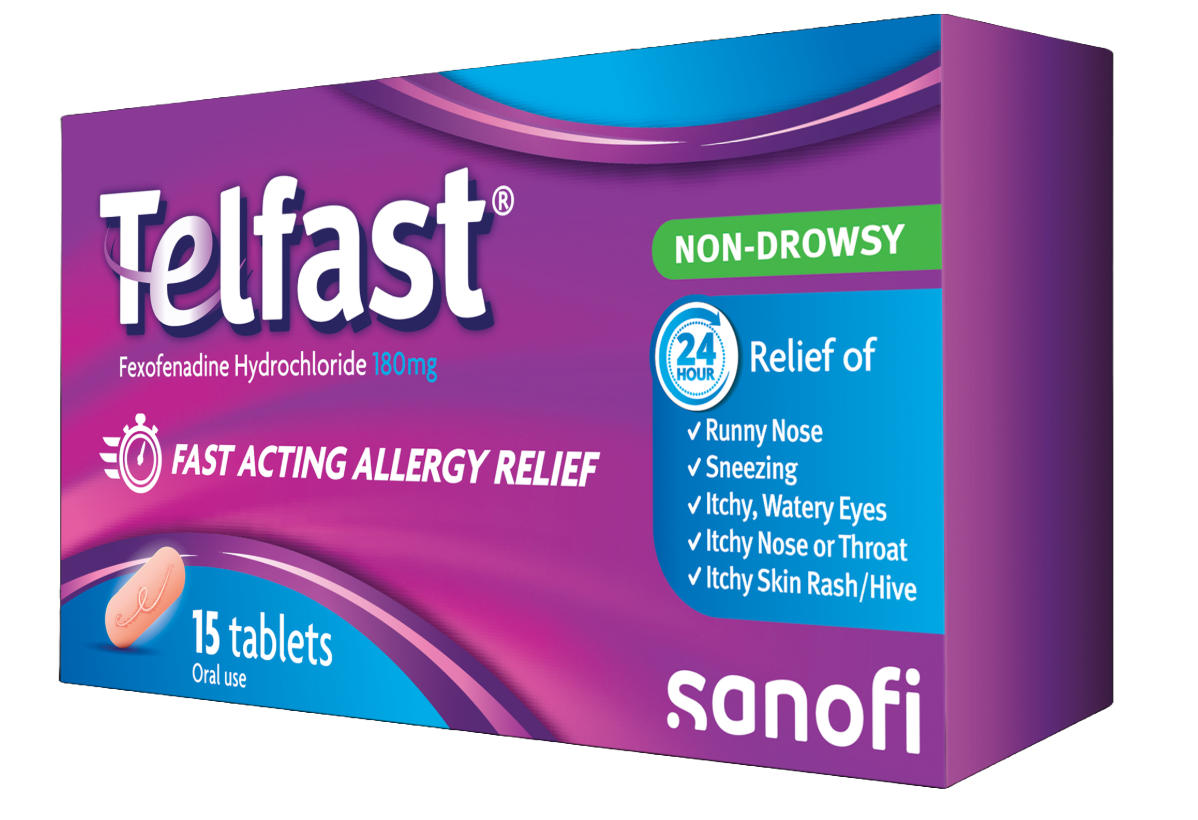
When respiratory issues stem from the upper airways, such as severe hay fever or allergic rhinitis, steroid nasal sprays like Avamys , Dymista , Nasonex Nasal Spray , and Flixonase are incredibly effective.
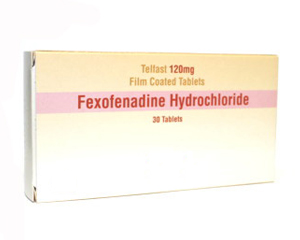
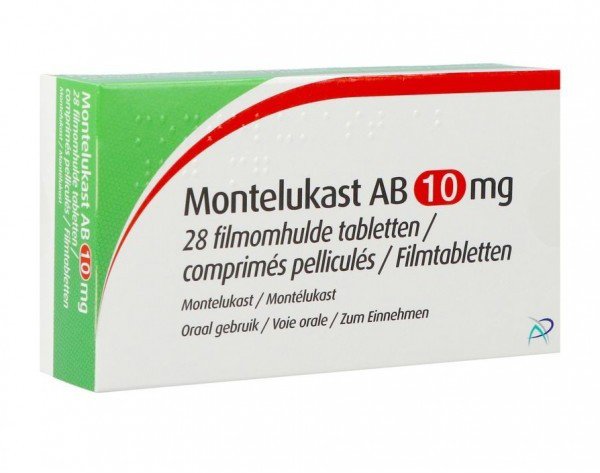
For those with allergy-driven asthma, an oral tablet like Montelukast can be a game-changer.
Here is a truth rarely mentioned in leaflets: The best medication in the world is useless if the device doesn't match your lung capacity. A dry powder inhaler requires a sharp, deep breath.
If you are frail or having an attack, you might not generate enough force, making a standard metered-dose aerosol (used with a spacer) a far superior choice for you.
Managing expectations is a huge part of my job. If I prescribe you a blue reliever, you will feel the benefit within minutes. However, if I start you on a brown or pink preventer inhaler, you will not feel anything immediately.
Preventers take 7 to 14 days to begin reducing the microscopic swelling in your airways, and up to 6 weeks to reach peak efficacy.
A common pitfall I see is patients abandoning their preventer after a week because it "doesn't work." Consistency is the secret ingredient to respiratory health. Stick with it, and you will gradually notice you are reaching for your blue inhaler less and less.
Medication is only half the battle. Your environment and daily habits play a massive role. I advise all my respiratory patients to track their triggers meticulously—cold air, dampness, pet dander, or even strong perfumes.
A practical technique I teach in my surgery is the "Huff Cough." Instead of a harsh, hacking cough that irritates your throat and can actually trigger an asthma spasm, take a slow, deep breath in, hold it for three seconds, and force the air out through an open mouth with a "huff" sound, as if you are steaming up a mirror.
This moves mucus up the airways much more gently and effectively.

Important: Prescriptsy connects you with independent, EU-registered doctors. We do not sell medication directly. All treatments are prescribed by a doctor and delivered discreetly to your door.
We use cookies and similar technologies to improve your experience and analyze our services. You can customize your preferences below.