GP Treatment Guide for RLS
Available treatment options
When it comes to treating RLS, our primary goal is to calm the overactive nerve signals. We primarily use a class of medications called dopamine agonists , which replace or mimic the dopamine your brain naturally uses to control muscle movement.
There are several excellent, licensed options available to us.
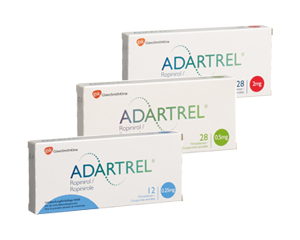
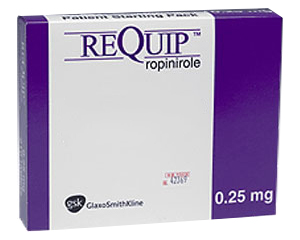
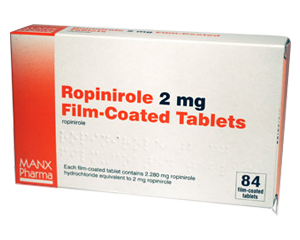
I frequently prescribe Ropinirole (often known by the brand names Requip or Adartrel ). It is highly effective and usually taken once a day, one to three hours before bedtime.
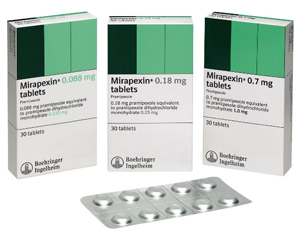
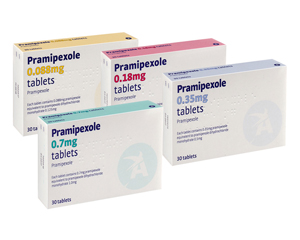
Another frontline option is Pramipexole (commonly known by the brand name Mirapexin ). Both active ingredients work similarly, but they are processed differently by the body.
Honestly, my approach is always to start with the lowest possible dose. I typically recommend Ropinirole first for patients who might have mild kidney impairment, as it is cleared by the liver, whereas I might lean toward Pramipexole for patients who are taking other liver-metabolised medications to avoid drug interactions.
What to expect from treatment
The relief from these medications can be quite rapid. Many of my patients report a significant reduction in their leg restlessness within the first few days of starting treatment. However, it is crucial to manage expectations regarding your dosage.
A unique phenomenon in RLS treatment is something we call augmentation . This is a paradoxical effect where taking too high a dose of medication actually causes your symptoms to worsen, spread to your arms, or start earlier in the afternoon.
This is a clinical pearl I stress to every patient: more is not better with RLS medication. If your symptoms start creeping into the daytime, we do not increase your dose; instead, we usually need to split it or change your medication entirely.
Self-care and prevention
Medication is only half the battle. In my practice, the very first thing I do for an RLS patient is check their serum ferritin (iron storage) levels. Standard laboratory guidelines might say an iron level of 20 µg/L is 'normal', but for an RLS patient, we want that number above 75 µg/L.
Simply supplementing iron can sometimes cure the condition entirely without needing dopamine medications.
Furthermore, you must audit your medicine cabinet. Over-the-counter cold and flu remedies, as well as heavily marketed sleep aids, often contain sedating antihistamines. These medications actively block dopamine in the brain and will severely trigger your restless legs.
A warm bath, moderate stretching, and strictly avoiding antihistamines and evening caffeine are the foundational habits I urge every patient to adopt.