Rosacea Treatment Guide
Available treatment options
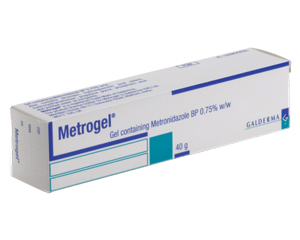
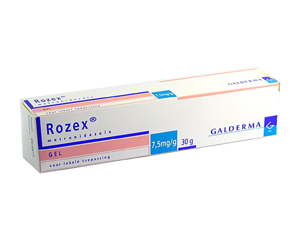
We have several excellent prescription options, and I tailor my recommendation based on your specific symptoms. For the inflammatory bumps and spots, I frequently prescribe Metrogel or Rozex .
Both contain metronidazole, a topical antibiotic that brilliantly reduces inflammation. They are generally my first-line choice because they are well-tolerated by sensitive skin.
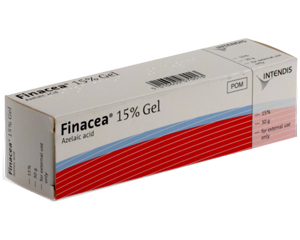
If you have bumps but also suffer from uneven skin texture or pigmentation, I often recommend Finacea (azelaic acid). It is a fantastic dual-action gel that clears rosacea spots while gently exfoliating and brightening the skin.
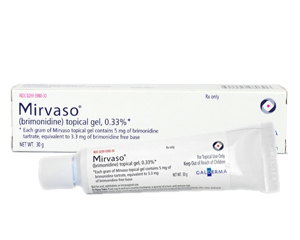
For patients whose primary issue is severe flushing rather than spots, Mirvaso (brimonidine) can be life-changing. It physically constricts the blood vessels, reducing redness for up to 12 hours.
However, I always warn my patients to use it sparingly—perhaps for a wedding or a big presentation—as overusing it can sometimes lead to rebound redness.
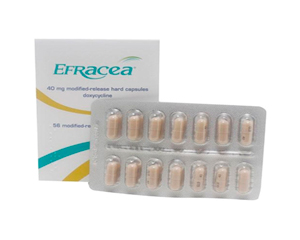
When topical treatments aren't enough, or if the rosacea is affecting your eyes, I step up to oral treatments. Efracea is a unique, low-dose capsule of doxycycline. Because the dose is sub-antimicrobial, it targets the inflammation in your skin without destroying your healthy gut bacteria, making it much safer for long-term use than standard antibiotics.
What to expect from treatment
Honesty is crucial here: rosacea treatments require patience. When you start a topical treatment like Rozex or Finacea, you should not expect overnight miracles. In my experience, it takes a solid 4 to 6 weeks to see a noticeable reduction in spots, and up to 12 weeks for maximum benefit.
During the first week of using azelaic acid, you might experience a mild tingling sensation—this is normal and usually settles. With Mirvaso, the effect is immediate (within 30 minutes), but remember it is a temporary cosmetic fix rather than a structural cure for the underlying inflammation.
Self-care and prevention
Medication is only half the battle; trigger management is the other. While standard advice tells you to avoid spicy food and red wine, I find that sudden changes in temperature are actually the most common culprits.
A practical tip from my clinic: simply opening a hot oven door and taking a blast of heat to the face is enough to trigger a massive flare-up in many of my patients.
Always step back when opening the oven. Furthermore, UV radiation aggressively degrades the connective tissue holding your blood vessels together. Wearing a broad-spectrum mineral sunscreen (zinc or titanium dioxide based, as chemical filters can sting rosacea-prone skin) every single day is non-negotiable for long-term prevention.