Melatonin
View Treatments
Order Sleep Aids online in the UK. Discreet repeat prescriptions for Melatonin and Circadin with clinical review and fast home delivery.
<p>Many of my patients come to me exhausted, sitting in my consultation room and confessing they dread going to bed. Insomnia and poor sleep are incredibly isolating; when the rest of the world is resting, you are left alone with your racing thoughts and the ticking clock. I see the toll this takes not just on energy levels, but on relationships, work, and overall mental health.</p><p>Sleep struggles are rarely just about feeling tired the next day. They impact your mood, your immune system, and your cognitive function. Often, the anxiety about *not* sleeping becomes the very thing keeping you awake—a frustrating cycle of hyper-arousal that I see almost daily in my clinic. It is incredibly common, and you are certainly not alone in this struggle.</p><p>The good news is that we can break this cycle. While a pill is rarely a permanent cure for sleep issues, the right sleep aid can act as a crucial 'circuit breaker,' giving your brain the rest it needs while we work on underlying habits. Let's explore the safe, effective options available to help you reclaim your nights.</p>
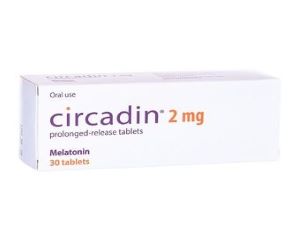
When it comes to medication, we have several distinct options. Circadin is a prolonged-release formulation of Melatonin , licensed for short-term use in older adults, though we frequently use standard melatonin off-label for younger patients.
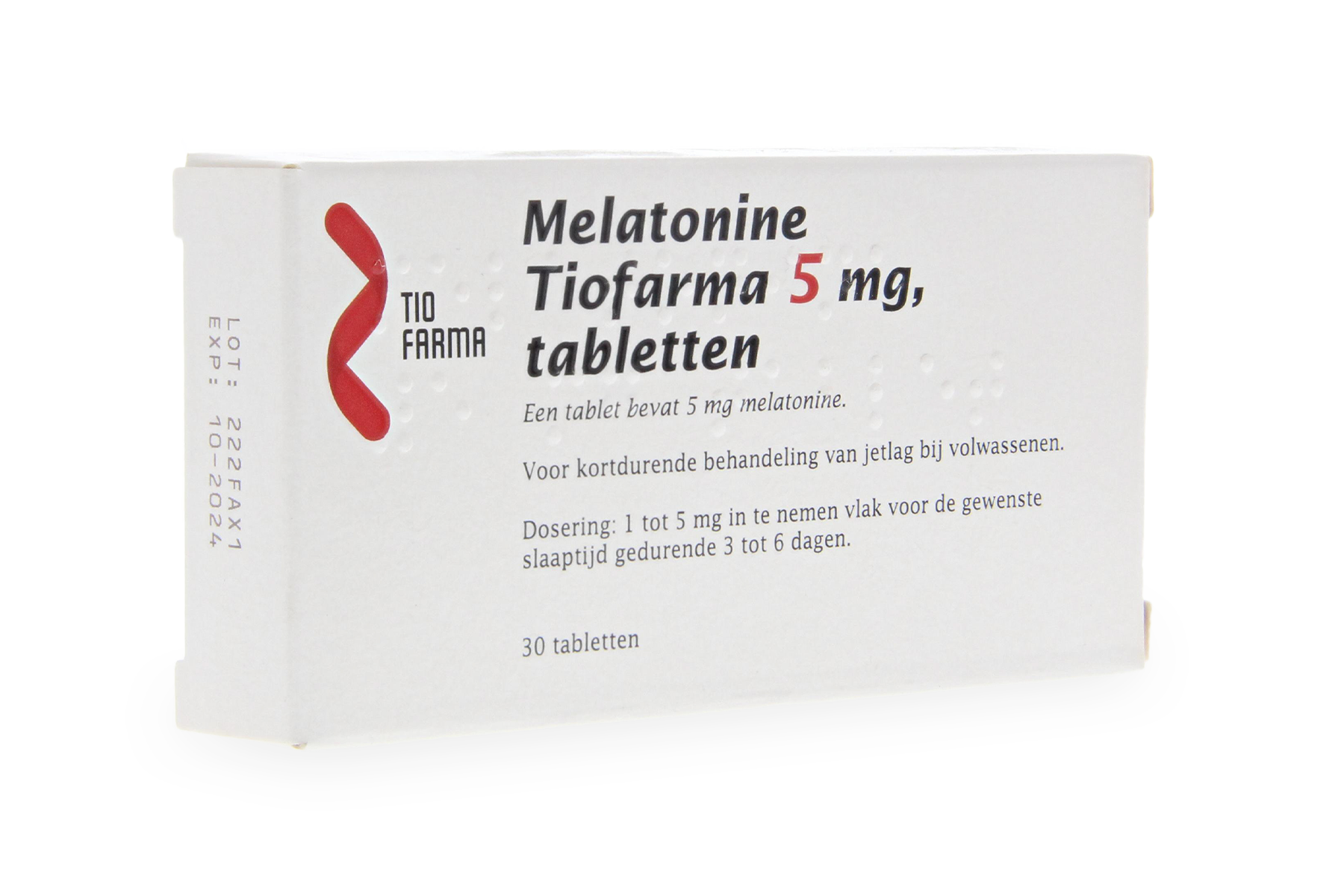
Melatonin isn't a traditional sleeping pill that knocks you out; it is a 'darkness hormone' that signals to your brain it's time to sleep. In my practice, I find the precise timing of the dose is actually far more important than the strength of the dose.
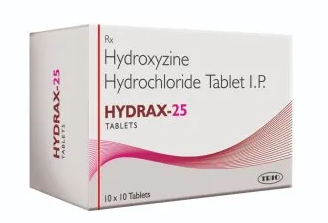
We also use sedating antihistamines like Phenergan (promethazine) and Hydroxyzine . These work by blocking histamine, an excitatory chemical in the brain. I typically recommend melatonin first for circadian rhythm issues or jet lag, whereas antihistamines are more useful if mild anxiety or allergies are contributing to your sleeplessness.
It is vital to have realistic expectations. Sleep aids are designed for short-term use—usually 1 to 4 weeks—to help reset your sleep pattern. A common clinical phenomenon I see is what I call the 'night two dip'.
The first night on a sleep aid often works beautifully, but the second night might feel less effective. This isn't because the medication stopped working; it's because your 'sleep pressure' (the physical need for sleep) was heavily relieved on night one.
Don't panic and assume you need a higher dose; stick with it and let your body find its rhythm.
Medication works best when paired with behavioral changes. You've likely heard about avoiding screens before bed, but that is often unrealistic for modern life. Instead of a total ban, I recommend 'dimming the world' two hours before bed.
Don't just lower your phone's brightness; go into the accessibility settings and lower the 'white point' to drastically cut blue light emission. Furthermore, keep your wake-up time identical seven days a week.
Sleeping in on weekends feels good, but it acts like social jet-lag, confusing your biological clock and making Sunday night insomnia almost inevitable.
Important: Prescriptsy connects you with independent, EU-registered doctors. We do not sell medication directly. All treatments are prescribed by a doctor and delivered discreetly to your door.
We use cookies and similar technologies to improve your experience and analyze our services. You can customize your preferences below.