Topical Steroids Treatment Guide
Available treatment options
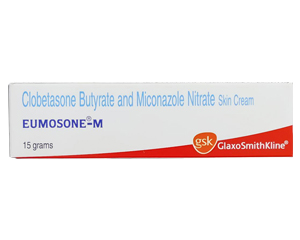
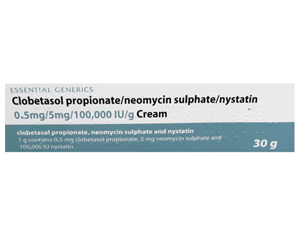
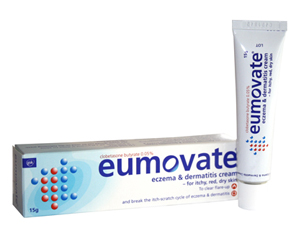
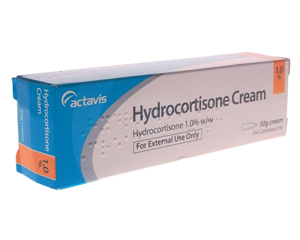
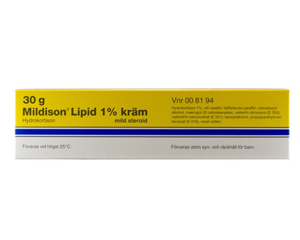
Topical steroids are classified by potency. For mild flare-ups, especially on the face or in children, I typically recommend mild options like Hydrocortisone or Mildison Lipocream . If the inflammation is slightly more stubborn, we move to moderate steroids such as Eumovate (which contains the active ingredient Clobetasone Butyrate ), or Trimovate Cream (which also tackles fungal and bacterial elements).
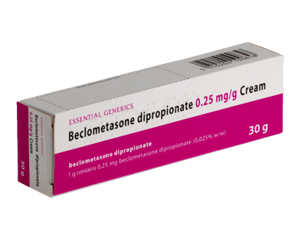
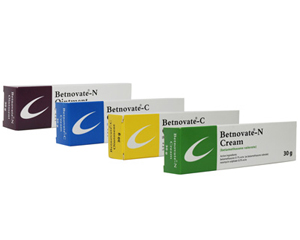
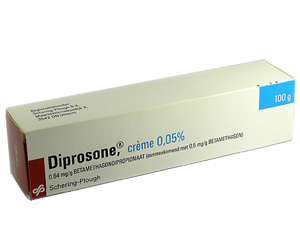
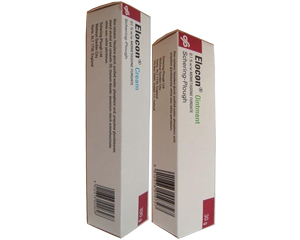
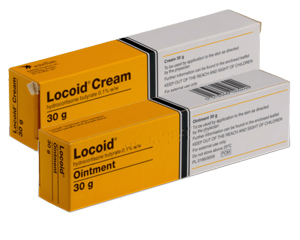
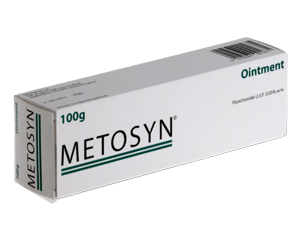
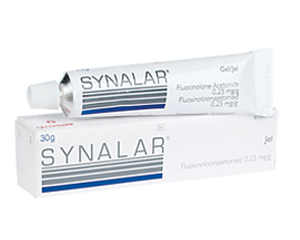
For severe eczema or thicker skin areas like the hands and feet, potent steroids are necessary. My go-to options include Betnovate (containing Betamethasone ), Elocon , Diprosone , Locoid , Metosyn , Beclometasone , and Synalar .
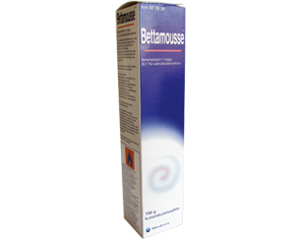
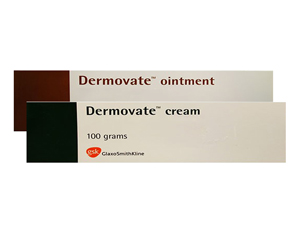
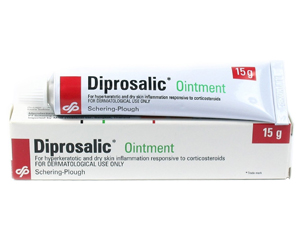
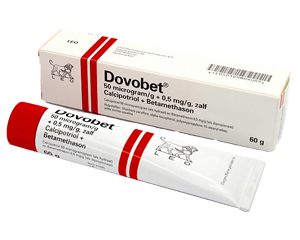
In cases of severe psoriasis, very potent steroids like Dermovate or Bettamousse (a foam ideal for the scalp) are required. Sometimes, we need combination treatments. For psoriasis with thick scales, Dovobet or Diprosalic work brilliantly because they contain ingredients that break down the scale, allowing the steroid to enter.
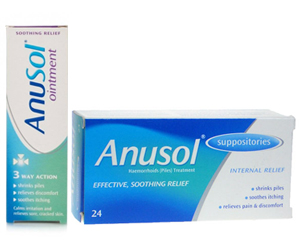
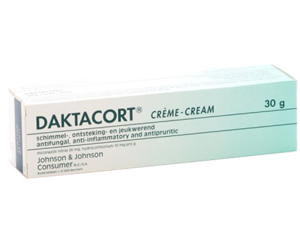
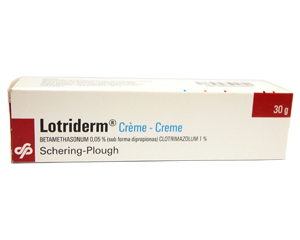
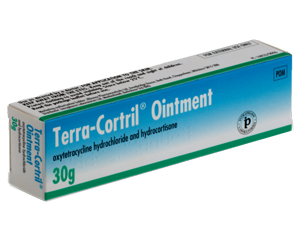
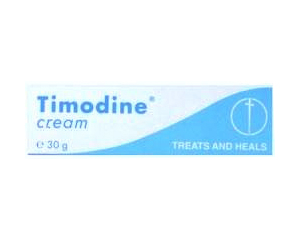
If I suspect an infection alongside the inflammation, I will prescribe combinations like Daktacort , Lotriderm , Timodine , Terra-Cortril , or Dermovate-NN . Finally, for inflammatory haemorrhoids, specialized preparations like Anusol HC provide targeted relief.
Clinical pearl: I always advise patients to choose ointments over creams if their skin is dry and scaly. Ointments contain fewer preservatives, meaning they won't sting broken skin, and their occlusive nature drives the steroid deeper into the epidermis .
What to expect from treatment
When you start a topical steroid, you should notice a significant reduction in itching within 24 to 48 hours, followed by a decrease in redness and swelling over the next few days.
I generally advise patients to use the treatment continuously for 7 to 14 days. A crucial insight from my daily practice: many patients stop applying the steroid the exact day the skin looks normal to the naked eye.
However, microscopic inflammation often lingers beneath the surface. If you stop abruptly, the flare-up comes right back. Instead, I teach my patients to step down gradually, using the steroid every other day for a week before stopping completely.
Self-care and prevention
Managing inflammatory skin conditions is not just about relying on prescriptions; your daily routine plays a massive role. The foundation of prevention is aggressive moisturizing.
Here are my top preventative strategies for long-term skin health:
- Timing matters: Never apply your topical steroid and your moisturiser at exactly the same time. Doing so dilutes the steroid. Apply your emollient first, wait 20 to 30 minutes, and then apply your steroid.
- Temperature control: Keep your showers lukewarm. Hot water strips the skin of its natural oils, triggering immediate rebound inflammation.
- Soap substitutes: Ditch standard foaming soaps entirely; use an emollient wash instead to protect your skin barrier.