Expert Treatment Guide for Ulcerative Colitis
Available treatment options
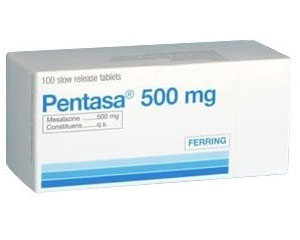
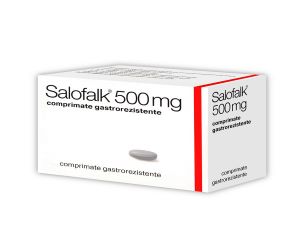
The cornerstone of treating mild to moderate UC is a class of drugs called aminosalicylates (5-ASAs), which work locally in the gut to reduce inflammation. On Prescriptsy, you will find options like Pentasa and Salofalk .
Both contain the active ingredient mesalazine , but they are not exactly the same.
Here is an insight you won't always find in standard leaflets: the way these tablets are coated determines exactly where in your bowel they release the medication. Pentasa releases slowly throughout the entire gut, which is great if your inflammation extends further up.
Salofalk, however, is designed to release its active ingredient lower down in the colon, making it highly effective for left-sided colitis. I typically recommend the specific brand based entirely on the anatomical reach of your last colonoscopy results, which is why switching brands without medical advice can sometimes lead to a sudden flare-up.
What to expect from treatment
When starting treatments like Pentasa or Salofalk, realistic expectations are vital. Most patients expect the bleeding to stop first, but typically, the urgency and cramping improve before the visible blood disappears.
You might notice a reduction in urgency within 7 to 14 days, but complete resolution of symptoms can take 4 to 6 weeks.
A crucial clinical reality I stress to my patients is that 'feeling better' does not mean 'healed.' Your symptoms will often disappear weeks or even months before mucosal healing (the actual microscopic repair of the bowel lining) is complete.
This is why you must never stop taking your 5-ASAs just because you feel well. Stopping prematurely is the number one cause of rapid relapse I see in my surgery.
Self-care and prevention
While medication keeps the immune system in check, your daily habits play a massive role in maintaining remission. Diet is highly individual in UC, but one piece of advice I give based on recent clinical observations is to aggressively limit dietary emulsifiers (like polysorbate 80 and carboxymethylcellulose) found in ultra-processed foods, oat milks, and commercial mayonnaise.
These additives can strip away the protective mucus layer in your gut, making the lining more vulnerable to inflammation.
Additionally, stress management isn't just a wellness buzzword—it is a clinical necessity. Acute stress alters gut motility and increases intestinal permeability. I strongly encourage my patients to practice diaphragmatic breathing exercises for just five minutes before meals; this activates the vagus nerve, promoting a 'rest and digest' state that can genuinely reduce functional abdominal pain associated with UC.