Medical Treatments for Bladder Control
Available treatment options
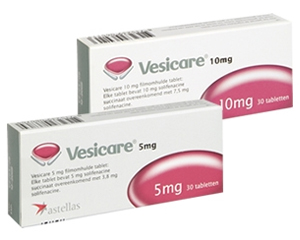
When lifestyle changes aren't enough, we turn to medications. For urge incontinence, I frequently prescribe Solifenacin (also widely known by its brand name, Vesicare ). It works by relaxing the bladder muscle.
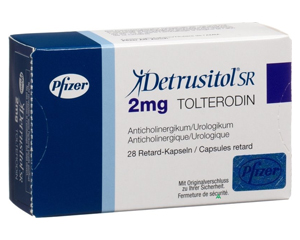
An older, but still effective alternative is Detrusitol . A unique insight from my practice: Solifenacin tends to cause slightly less severe dry mouth than older antimuscarinics, which is a massive relief for my patients who talk a lot for their jobs, like teachers or call-centre workers.
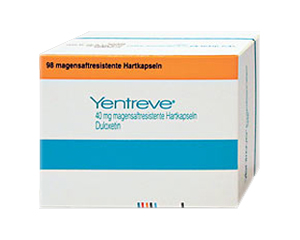
For women suffering from moderate to severe stress incontinence, Yentreve can be a game-changer. It alters the nerve signals to strengthen the sphincter muscle. For my male patients, leaks are often tied to benign prostatic hyperplasia (an enlarged prostate).
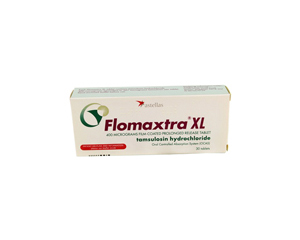
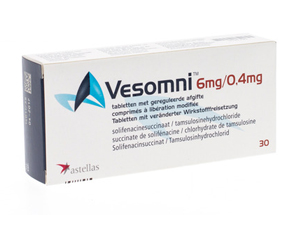
Here, I typically recommend Flomaxtra XL to relax the prostate and improve urine flow. If a man has both an enlarged prostate and an overactive bladder, Vesomni is a brilliant combination pill that tackles both the obstruction and the spasms simultaneously.
What to expect from treatment
Pills for bladder control are not like painkillers; they do not work in twenty minutes. I always warn my patients to give medications like Vesicare at least four to six weeks before deciding they 'don't work'.
A fascinating observation from my years in practice is the timeline of symptom relief: patients almost always notice that they are sleeping through the night weeks before they notice any significant improvement in their daytime urgency.
Be patient with the process, and expect a gradual reduction in leaks rather than an overnight cure.
Self-care and prevention
Everyone will tell you to 'do your pelvic floor exercises', but in my experience, nearly 50% of women do them incorrectly by simply clenching their buttocks or holding their breath.
The correct technique feels like trying to stop the flow of urine and stop wind at the very same time—lift inwards and squeeze. Furthermore, watch out for hidden bladder irritants.
Most people know coffee is a culprit, but I frequently see patients whose bladders are sent into violent spasms by decaf coffee, green tea, and particularly sparkling water.
Carbonation is highly acidic and acts as a hidden trigger for urgency.