Expert Treatment Guide
Available treatment options
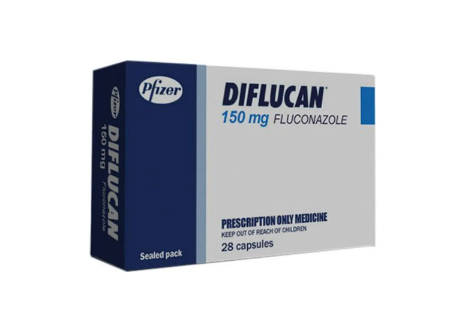
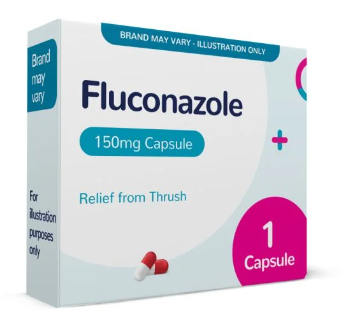
For thrush, oral antifungal medications are highly effective and convenient. I typically recommend Fluconazole , a single-dose capsule that is widely available and works systemically to clear the yeast overgrowth from the inside out.
You might also know it by its well-known branded name, Diflucan . I always tell my patients that these contain the exact same active ingredient and are equally effective, though the generic version is usually much more cost-effective.
For menopausal vaginal dryness and atrophy, local estrogen therapy is a true game-changer. Unlike oral HRT, it stays strictly in the pelvic area and has an incredibly safe profile, even for many women who cannot take systemic HRT.
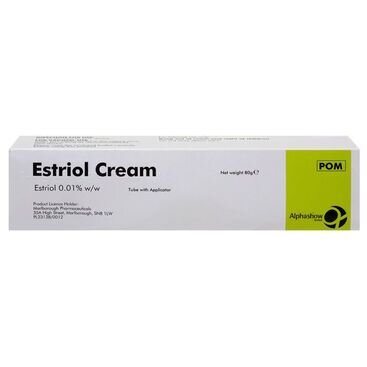
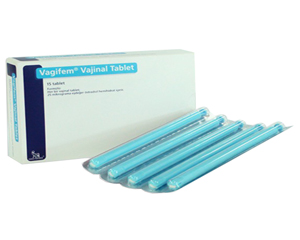
Vagifem is a tiny vaginal tablet inserted with a slim applicator, which my patients often prefer because it's completely mess-free and easy to use. Alternatively, Estriol is an estrogen cream.
I often prescribe the cream if a patient also has significant soreness on the external vulva, as you can rub a little on the outside tissues for targeted relief.
What to expect from treatment
With a single dose of Fluconazole, you should notice the intense itching begin to subside within 24 to 48 hours, though the internal redness and swelling may take three to five days to fully settle.
Local estrogen treatments like Vagifem or Estriol require a bit more patience. You typically use them daily for the first two weeks as a "loading dose," then drop down to a maintenance dose of twice a week.
A vital insight I give my patients: when you first apply estrogen cream or pessaries to severely dry, atrophic tissue, it might sting or burn slightly for the first few applications.
Please don't panic and throw the medication away! This is just the raw, micro-abraded tissue reacting to the product. The stinging will stop once the skin begins to plump up and heal, usually within a week.
Self-care and prevention
Beyond medication, how you manage your daily hygiene is critical to your vaginal health. The aggressive marketing of "feminine hygiene" washes and wipes drives me to despair as a doctor.
These heavily fragranced gels actively strip away your protective lactobacilli bacteria, practically inviting thrush to take hold. My strongest advice is to wash only with warm water. If you feel you absolutely must use a cleanser, use a plain, unperfumed emollient like aqueous cream or Dermol lotion—it cleans effectively without stripping your natural protective oils.
Additionally, try to sleep without underwear to let the area breathe, and stick to loose, 100% cotton garments during the day to prevent the warm, moist environment that yeast thrives in.