Medical Weight Loss Guide
Available treatment options
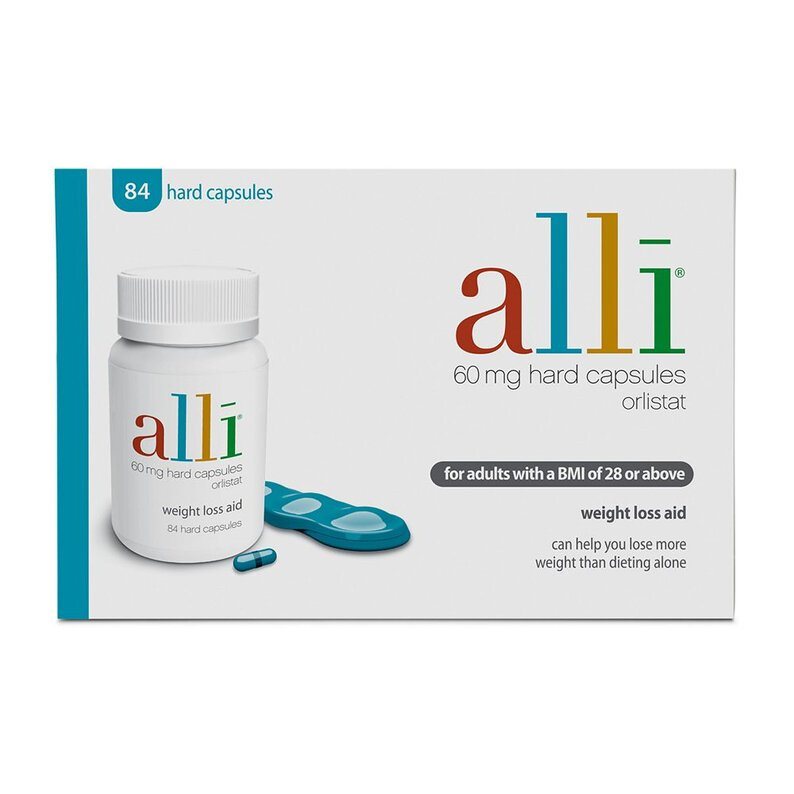
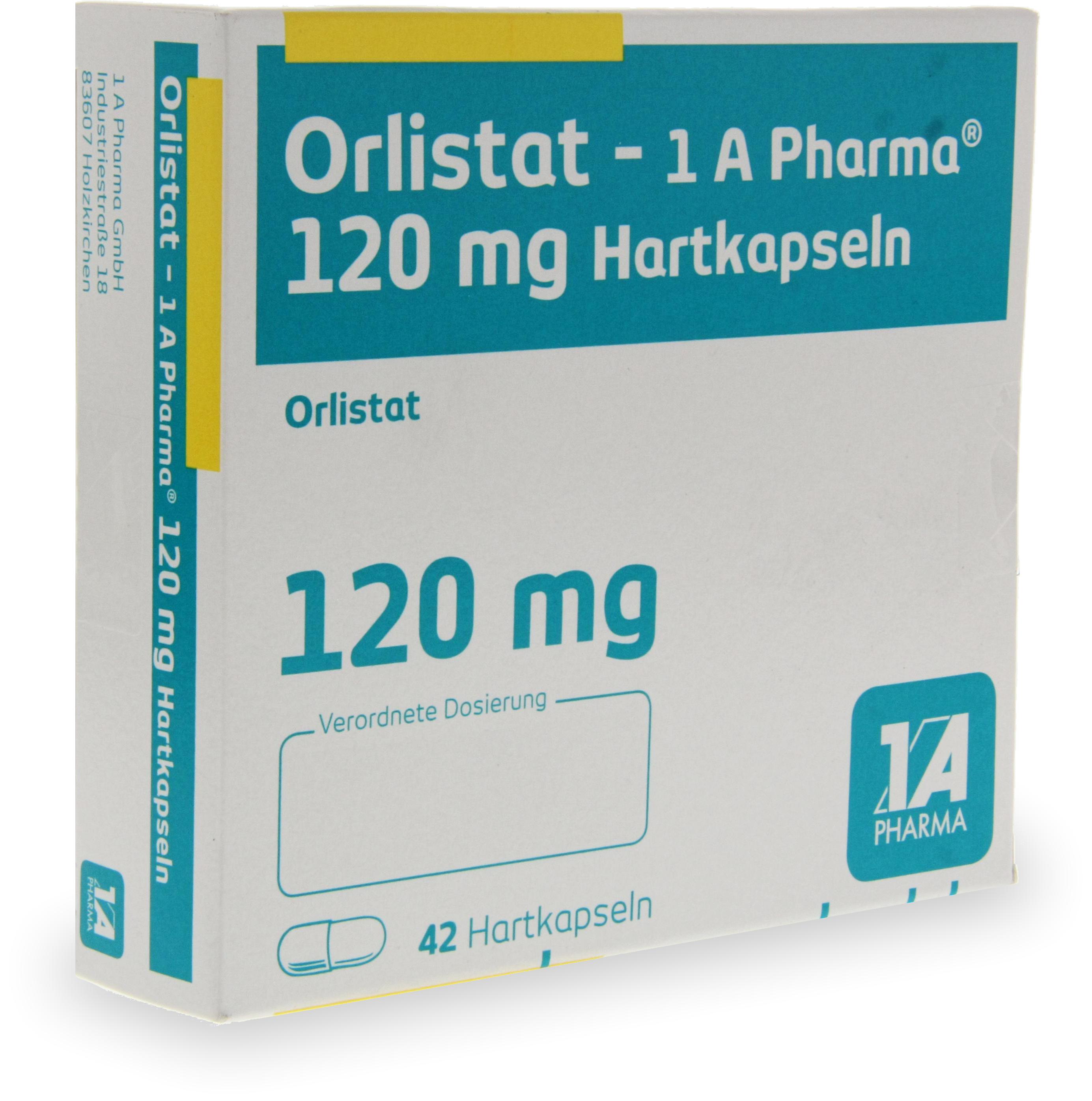
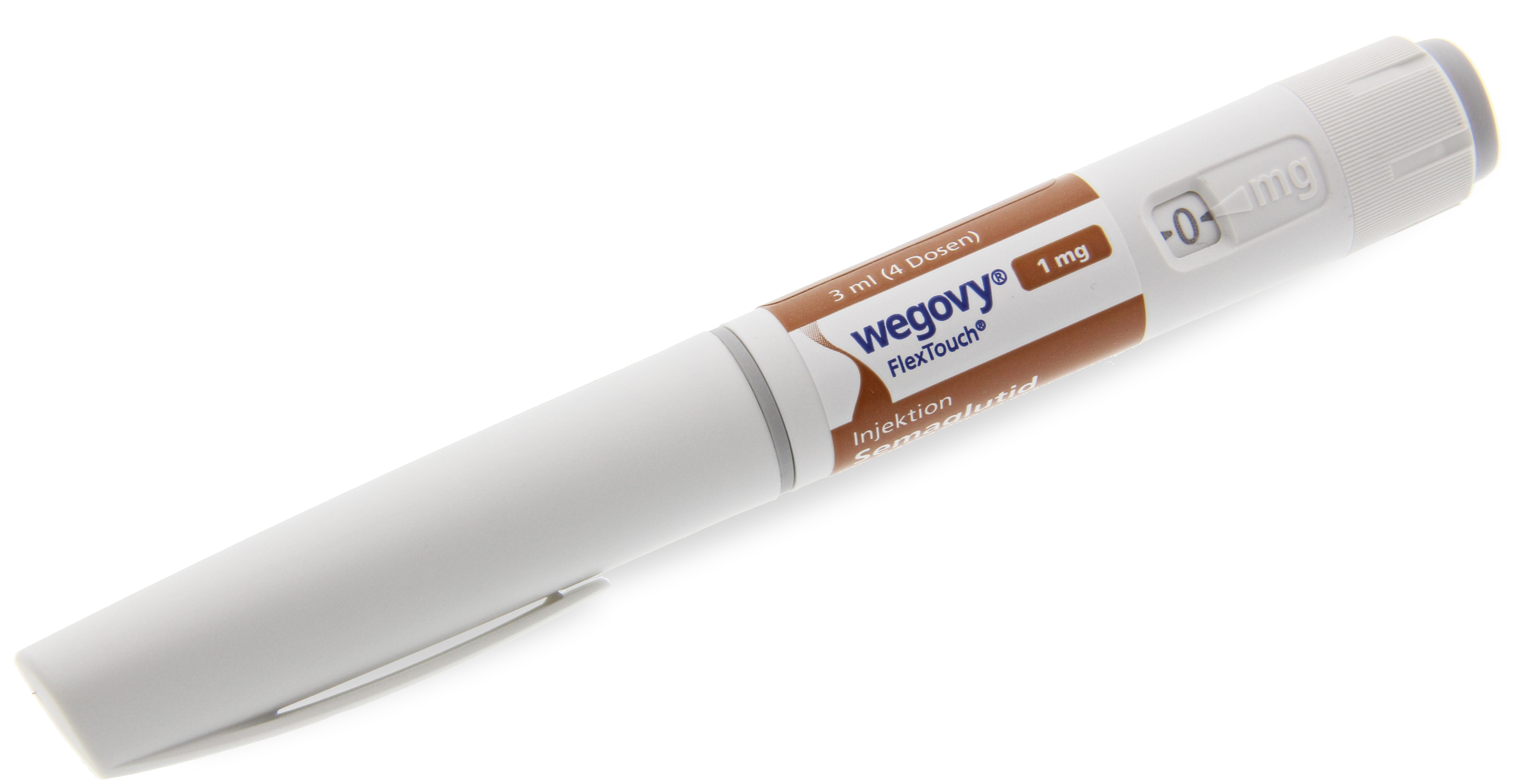
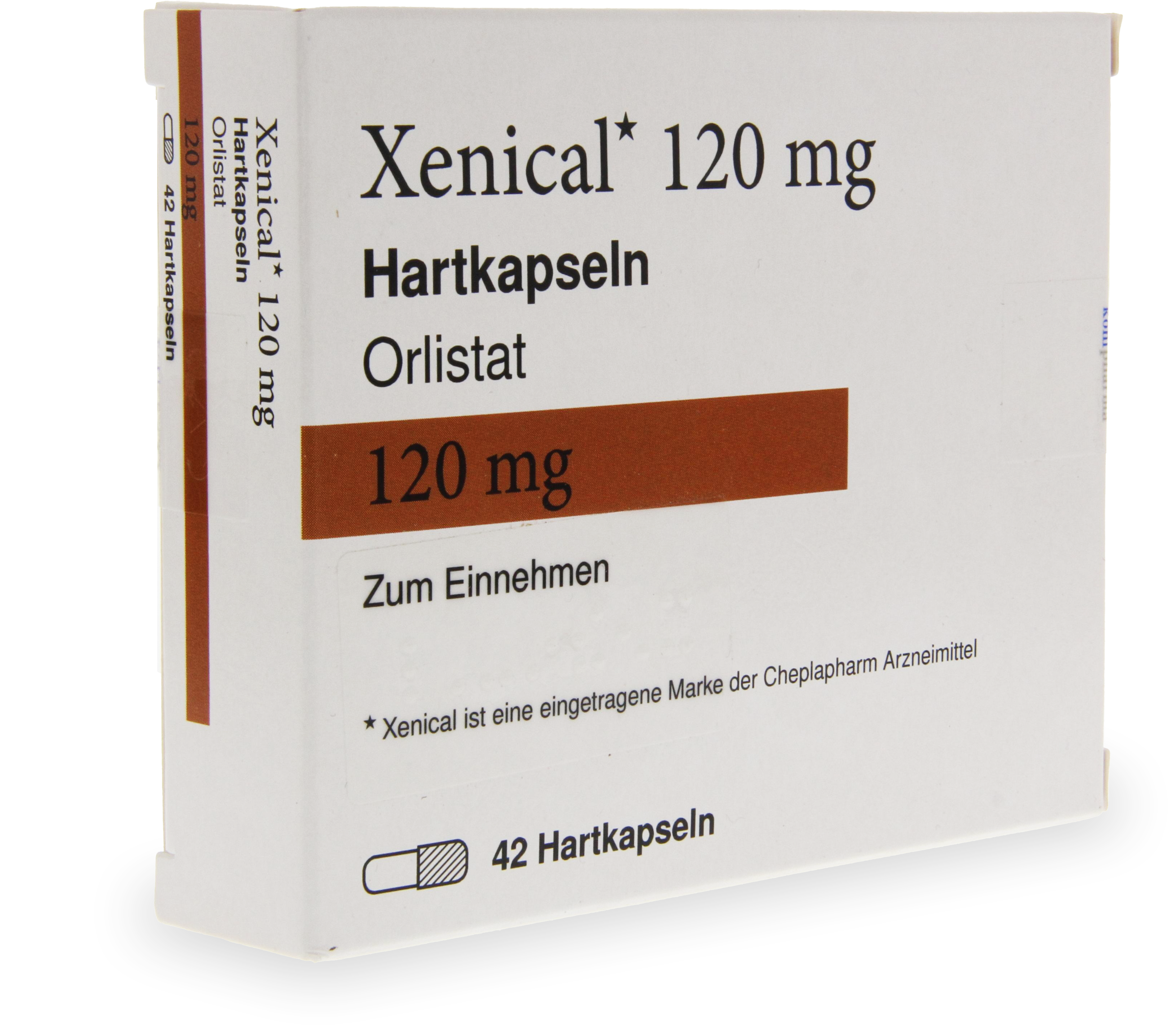
We now have an excellent arsenal of medications. The main categories are lipase inhibitors and GLP-1/GIP receptor agonists. Lipase inhibitors include Orlistat , and its branded versions Alli and Xenical .
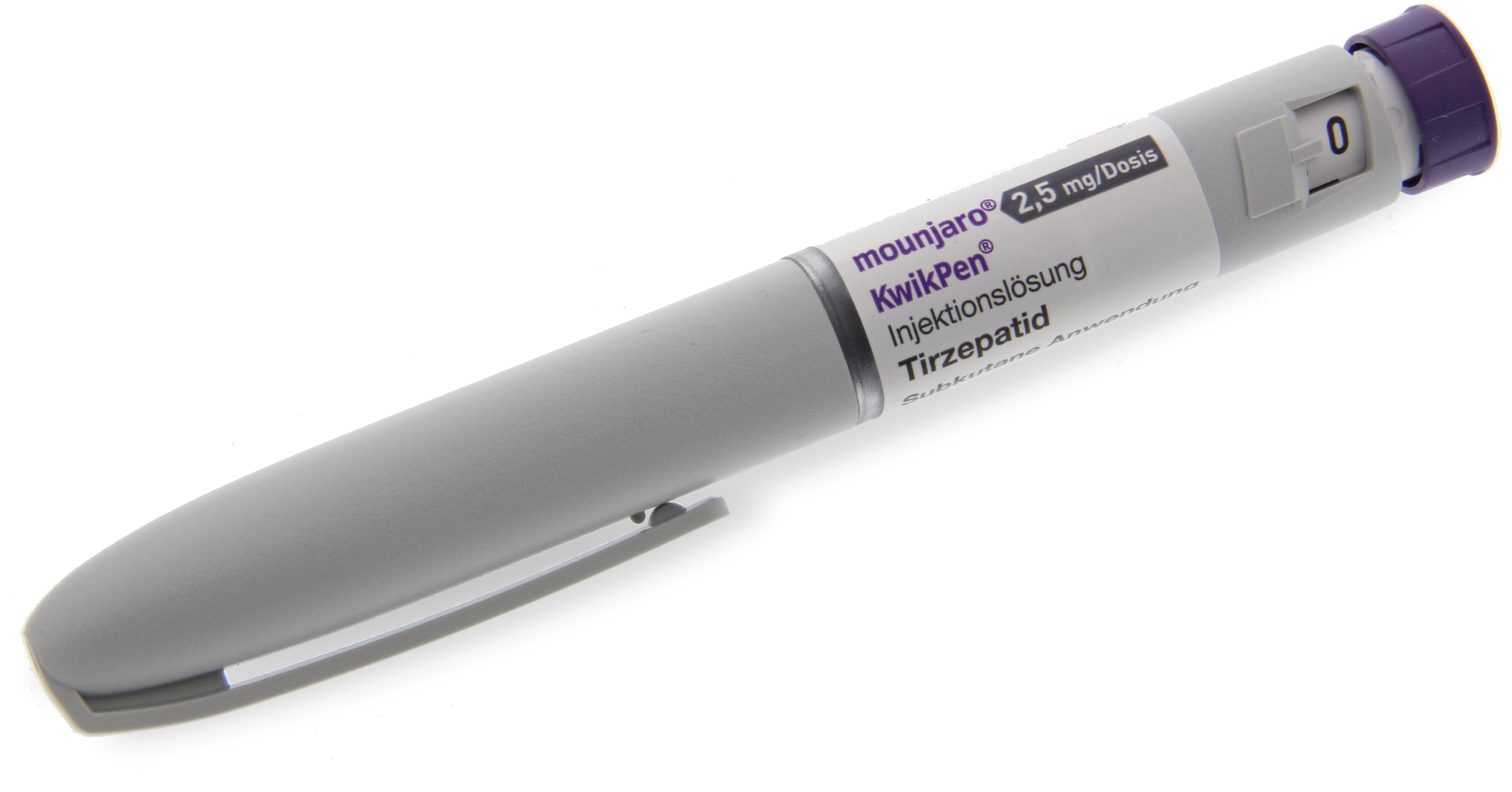
These work in your gut to block the absorption of about a third of the fat you eat. On the other hand, injectable medications like Wegovy and Mounjaro work on the brain and gut to drastically reduce appetite and slow digestion.
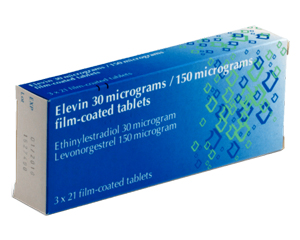
Elevin is another option we sometimes discuss depending on specific patient profiles. While the injectables get all the media headlines for their profound impact on "food noise" (that constant mental chatter about your next meal), I often recommend Orlistat first for patients whose main struggle is rich, high-fat meals out, as it provides immediate behavioural feedback through a side effect known as steatorrhea if they eat too much fat.
What to expect from treatment
Realistic expectations are the bedrock of success. With injectables, you might see a 15-20% reduction in body weight over a year, while oral medications might yield a 5-10% reduction.
However, a phenomenon I see constantly in my practice is the "week three plateau." Patients often lose water weight rapidly in weeks one and two, then the scale completely stops moving in week three as their blood volume recalibrates.
My advice is never to panic and stop the medication; true fat loss is just beginning behind the scenes.
Self-care and prevention
Medication is the scaffold, but your daily habits are the bricks of your new house. Beyond the standard advice of "eat less and move more," my top clinical tip is to focus on protein pacing.
Eating 30 grams of high-quality protein within 30 minutes of waking up sets your circadian rhythm for digestion and drastically reduces evening sugar cravings. Because these medications make you eat significantly less, every bite you take must be nutrient-dense to prevent muscle loss and hair thinning.