Everything about Allergic Rhinitis
Allergic rhinitis, commonly known as hay fever, is an inflammatory response in the nose triggered by allergens such as pollen, dust mites, or pet dander. It affects millions in the UK, often peaking during spring and summer.
Types of Allergic Rhinitis
- Seasonal: Triggered by tree, grass, or weed pollen at specific times of the year.
- Perennial: Occurs year-round, usually due to indoor allergens like dust mites or mold.
Key Symptoms
- Sneezing and a runny or stuffy nose.
- Itchy, red, or watery eyes (conjunctivitis).
- Itchy throat, mouth, or ears.
- Occasional loss of smell or facial pressure.
Treatment Options
Finding the right combination of treatments can significantly improve your quality of life:
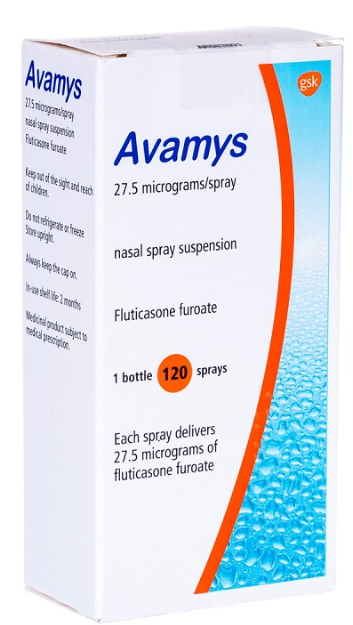
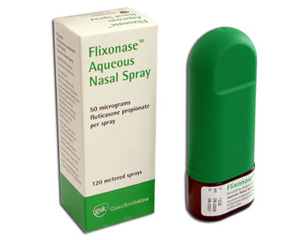
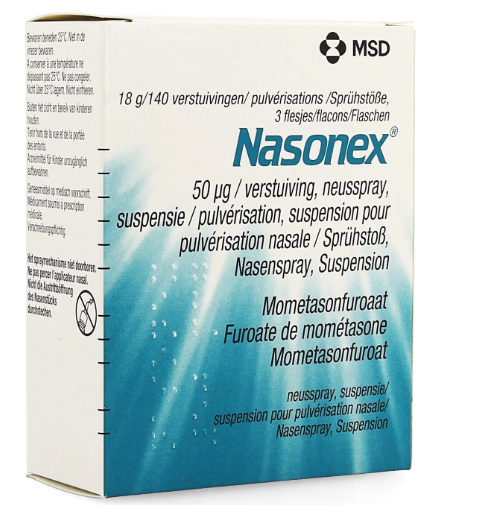
- Steroid Nasal Sprays: Such as Avamys, Nasonex, and Flixonase. These are the most effective long-term treatments for nasal congestion and inflammation.
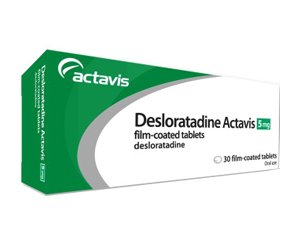
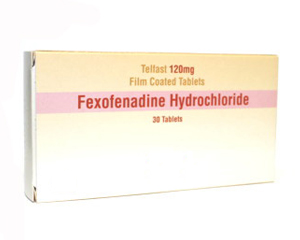
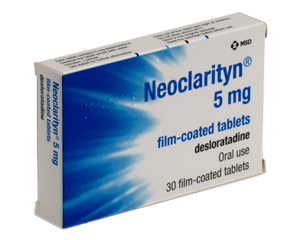
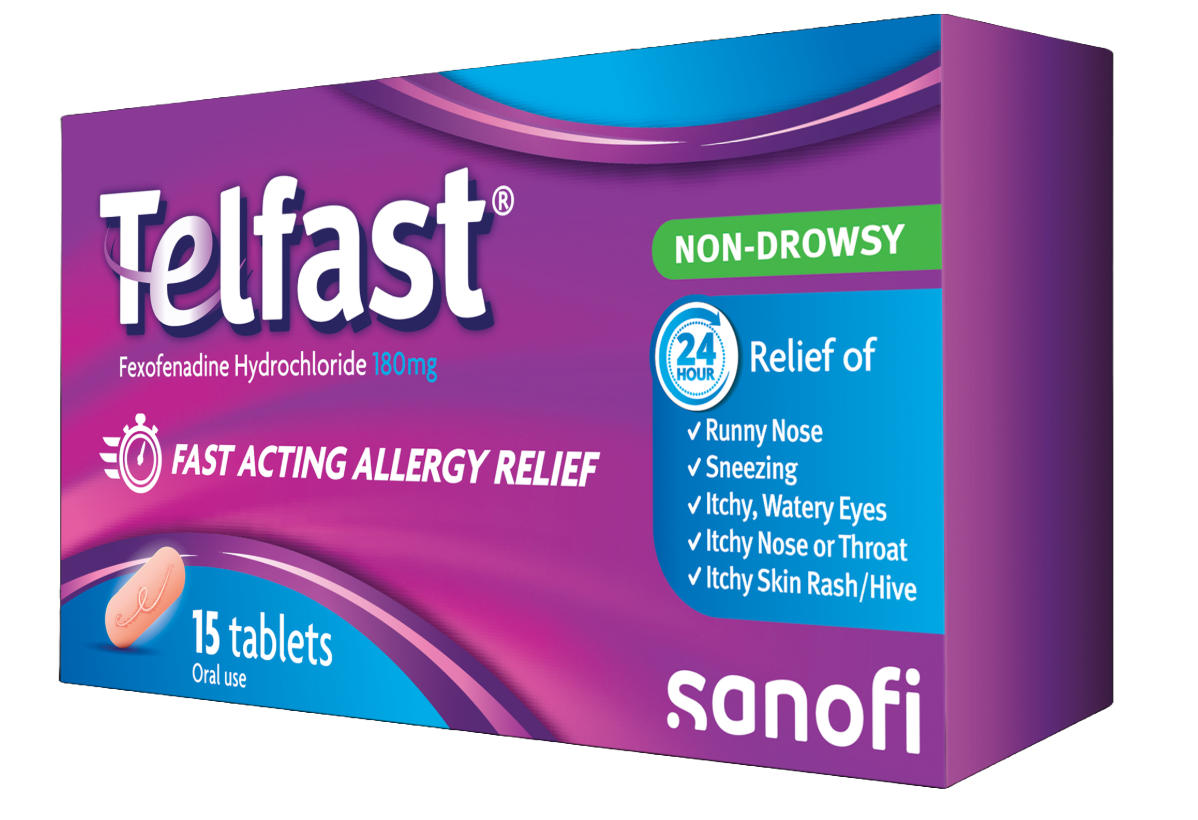
- Antihistamines: Tablets like Fexofenadine, Desloratadine, and Cetirizine block the allergic response.
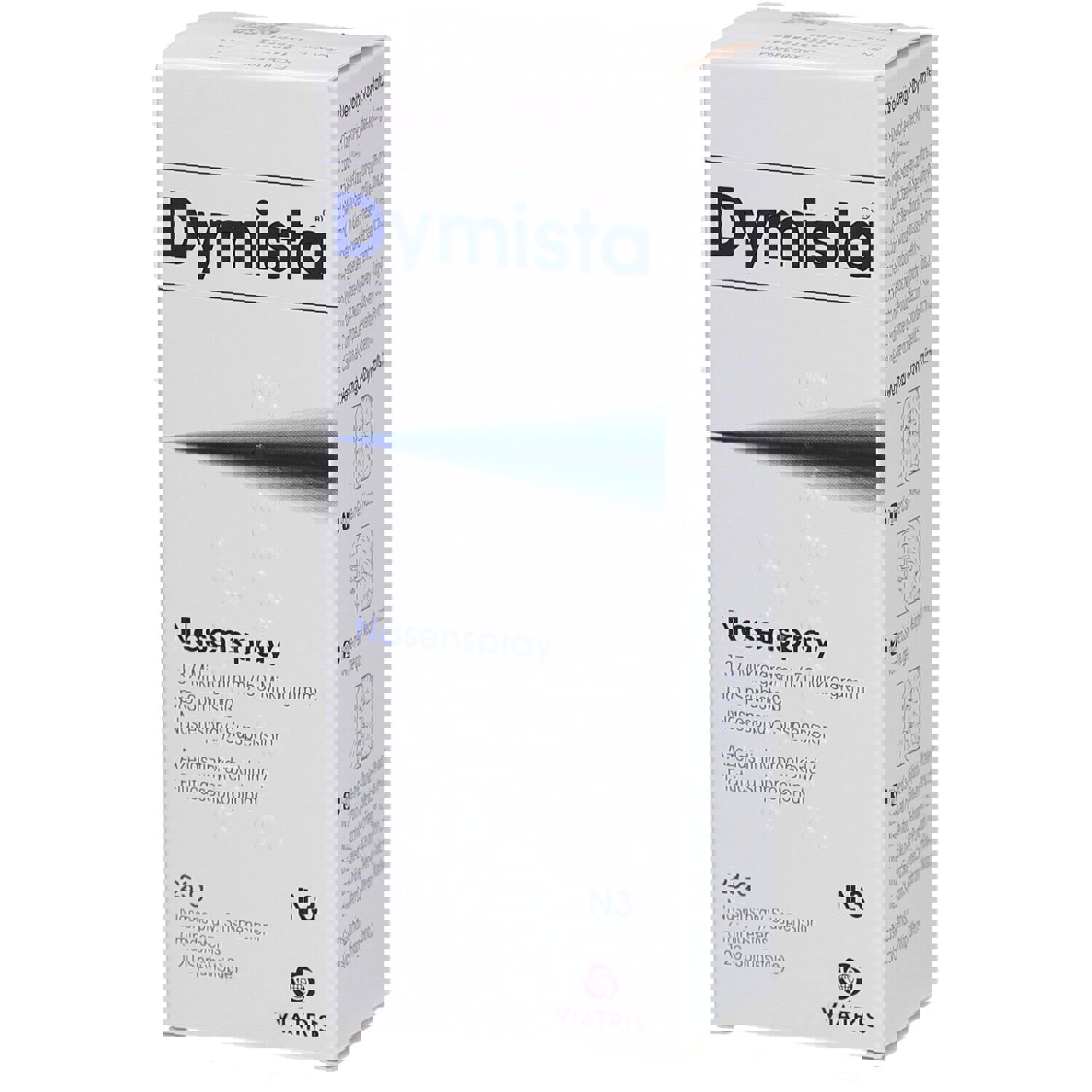
- Combination Sprays: Dymista combines a steroid and an antihistamine for rapid and comprehensive relief.
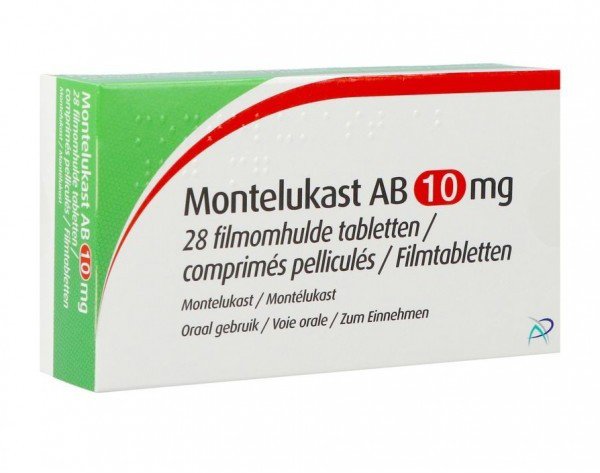
- Leukotrien-Antagonists: Montelukast can be used if other treatments are insufficient, particularly if asthma is also present.
Practical Management Tips
- Check pollen counts daily and stay indoors when they are high.
- Shower and change clothes after being outdoors to remove pollen.
- Keep windows closed during high pollen days, especially in the early morning and evening.
- Use a saline nasal rinse to clear allergens from your nasal passages.
Obtaining Hay Fever Treatment Online
If over-the-counter options aren't enough, you can access prescription-strength treatments through our online clinic. Our UK clinicians will assess your symptoms and, if appropriate, issue a prescription for fast, discreet delivery.