Understanding Antibiotics
Antibiotics are powerful medications used to treat infections caused by bacteria. They work by either killing the bacteria or preventing them from multiplying. It is essential to use antibiotics responsibly and only for bacterial infections—they are not effective against viruses like the cold or flu.
Types of Bacterial Infections
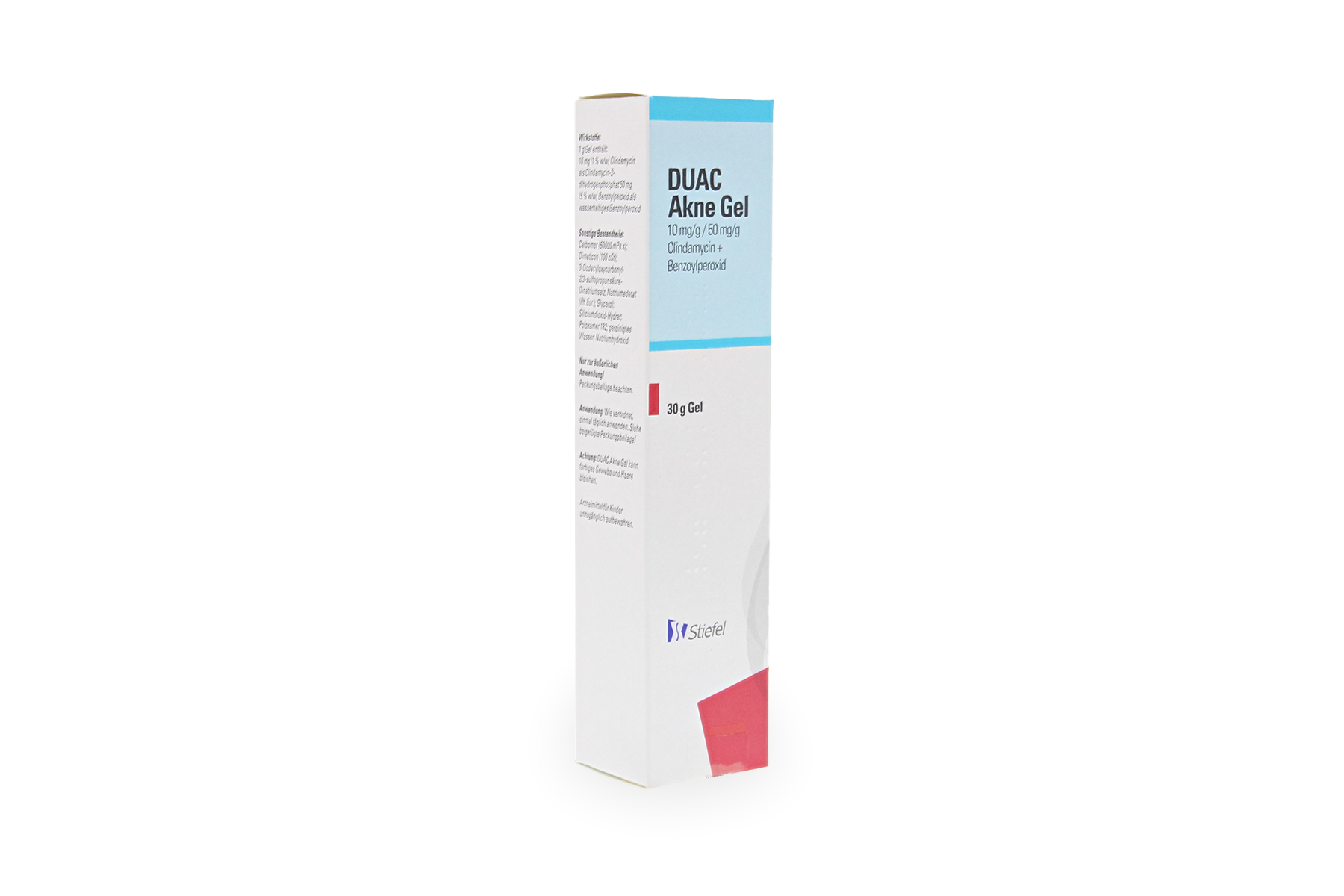
- Skin Infections: Such as infected eczema, impetigo, or acne (treated with Fucidin, Lymecycline, or Mupirocin).
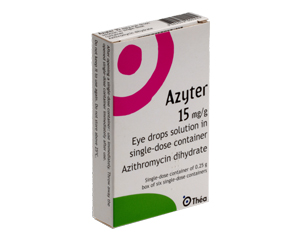
- Eye Infections: Like bacterial conjunctivitis (treated with Azyter or Gentamicin).
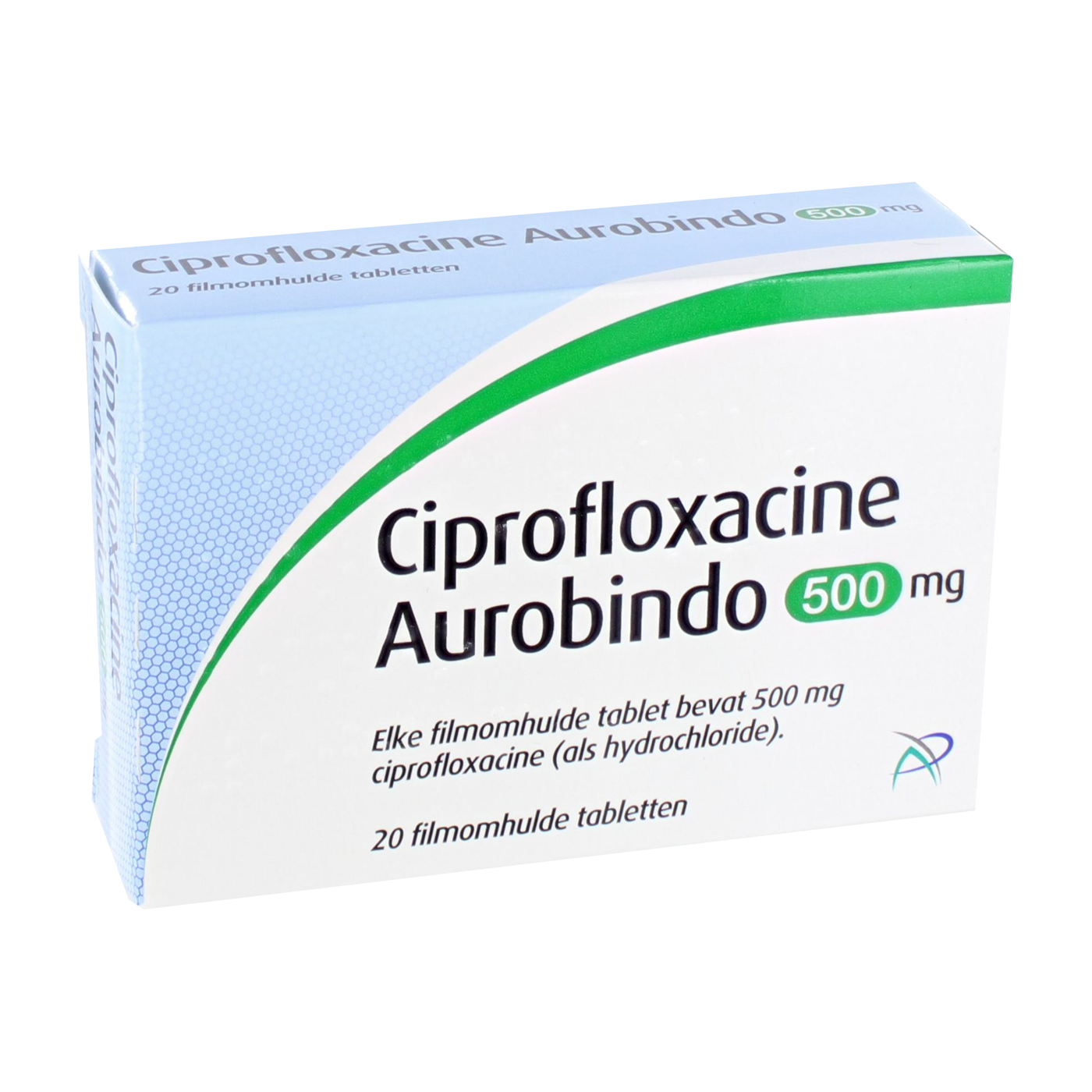
- Urinary Tract Infections (UTIs): Often requiring specific oral antibiotics like Trimethoprim or Nitrofurantoin.
- Respiratory Infections: Including bacterial bronchitis or pneumonia.
Using Antibiotics Safely
- Complete the Course: Always finish the entire prescribed course, even if you feel better after a few days. This helps prevent antibiotic resistance.
- Take as Directed: Follow the dosage instructions carefully (e.g., with food or on an empty stomach).
- Don't Share: Never take antibiotics prescribed for someone else or use leftover medication.
Antibiotic Stewardship
To ensure antibiotics remain effective for everyone, our clinicians only prescribe them when a bacterial infection is confirmed or highly likely. Misuse of antibiotics leads to "superbugs" that are resistant to current medicine.
Consult a UK Doctor Online
If you believe you have a bacterial infection, our online medical service provides a safe and discreet way to get an assessment. Complete our health questionnaire, and if appropriate, our doctors will issue a prescription for delivery from our regulated UK pharmacy.