
Irritable Bowel Syndrome (IBS)
View Treatments
Order Gastrointestinal Health treatments online in the UK. Find effective relief for acid reflux, IBS, and digestive discomfort with professional clinical review.
<p>Many of my patients come to me concerned about their digestion, often feeling embarrassed or anxious about their symptoms. As a GP, I want to assure you that gastrointestinal issues are incredibly common, and there is absolutely nothing you can tell me that I haven't heard or treated before. Whether you are dealing with persistent heartburn, unpredictable bowel habits, or painful bloating, these symptoms can significantly impact your daily quality of life.</p><p>The gut and the brain are intimately connected. In my clinic, I frequently observe that stress or anxiety manifests physically in the gut long before the mind even acknowledges it. This means that treating digestive health isn't just about prescribing a pill; it's about looking at the whole picture of your wellbeing.</p><p>Fortunately, modern medicine offers a wide array of highly effective treatments. From soothing inflamed tissues to regulating stomach acid and calming bowel spasms, we have targeted options to help you regain control of your comfort and your life. Let's explore how we can get your digestive system back on track.</p>
We have an excellent arsenal of medications to treat various GI conditions. For acid reflux and gastro-oesophageal reflux disease (GORD), proton pump inhibitors (PPIs) are the gold standard.
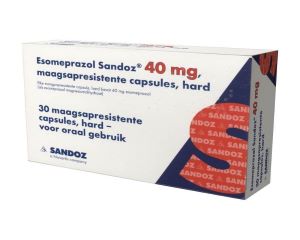
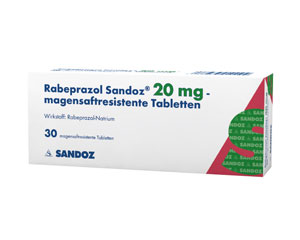
I frequently prescribe Omeprazole , Lansoprazole , and Pantoprazole . If a patient doesn't respond well to the first line, we might step up to Esomeprazole or Rabeprazole .
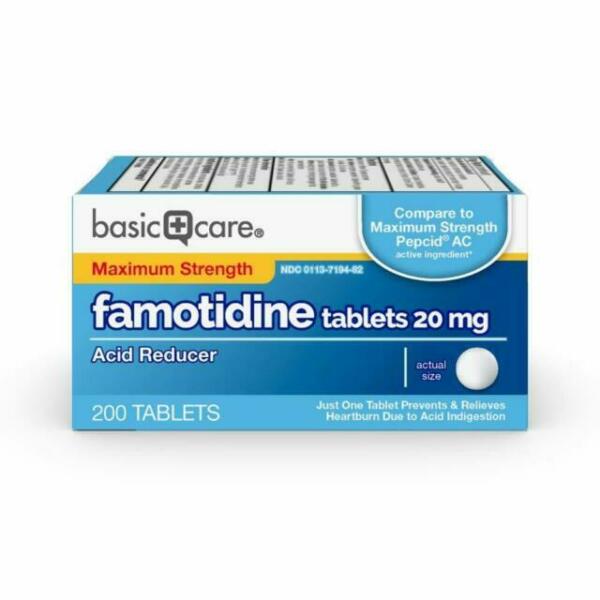
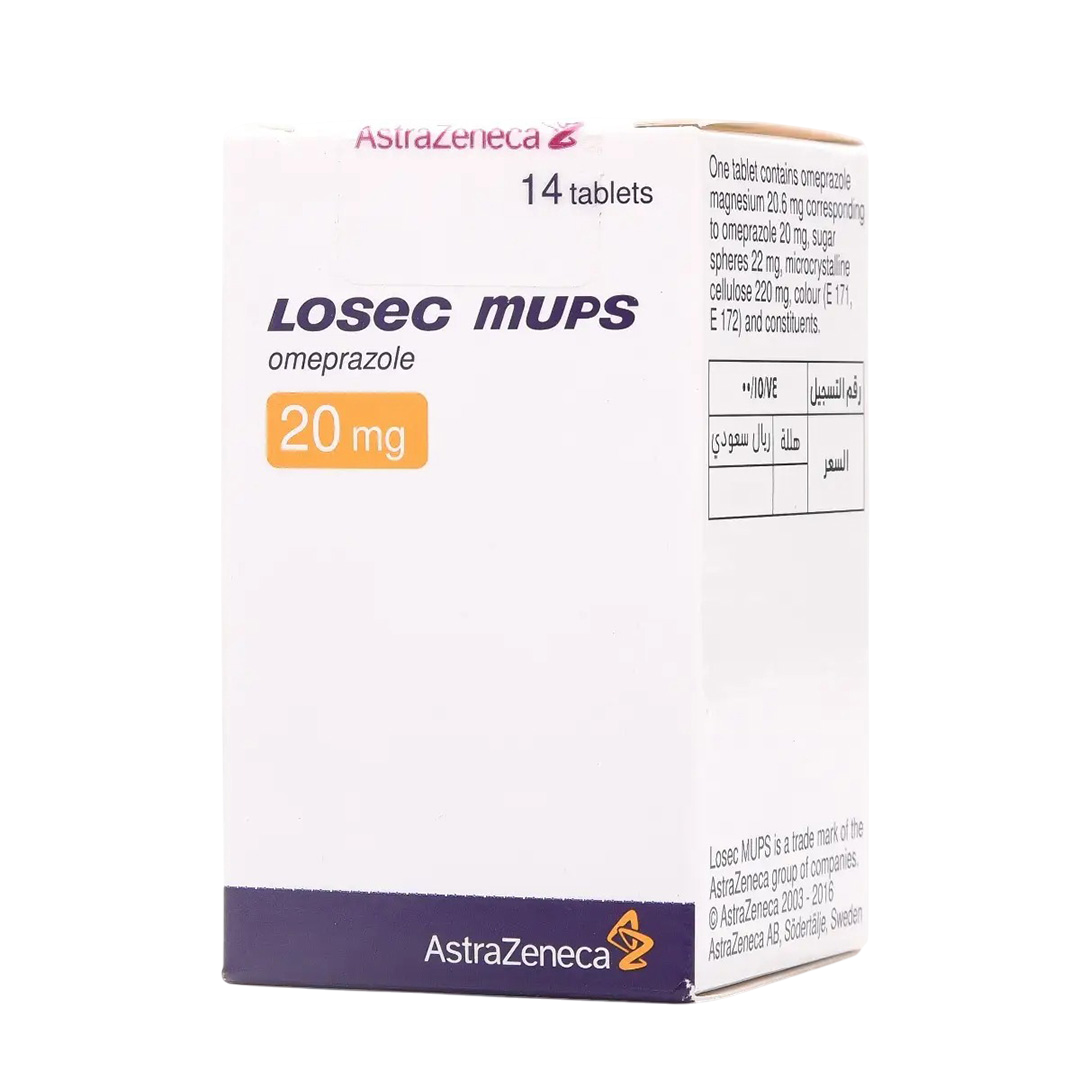
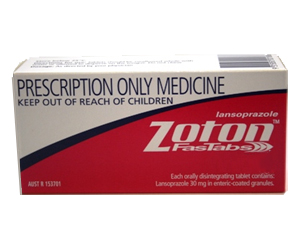
For those who struggle to swallow traditional capsules, Losec MUPS , standard Losec , or Zoton FasTab are brilliant alternatives because they disperse in water. Alternatively, Famotidine works differently by blocking histamine receptors and is exceptionally good for patients who suffer specifically from nighttime acid surges.
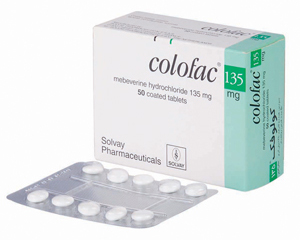
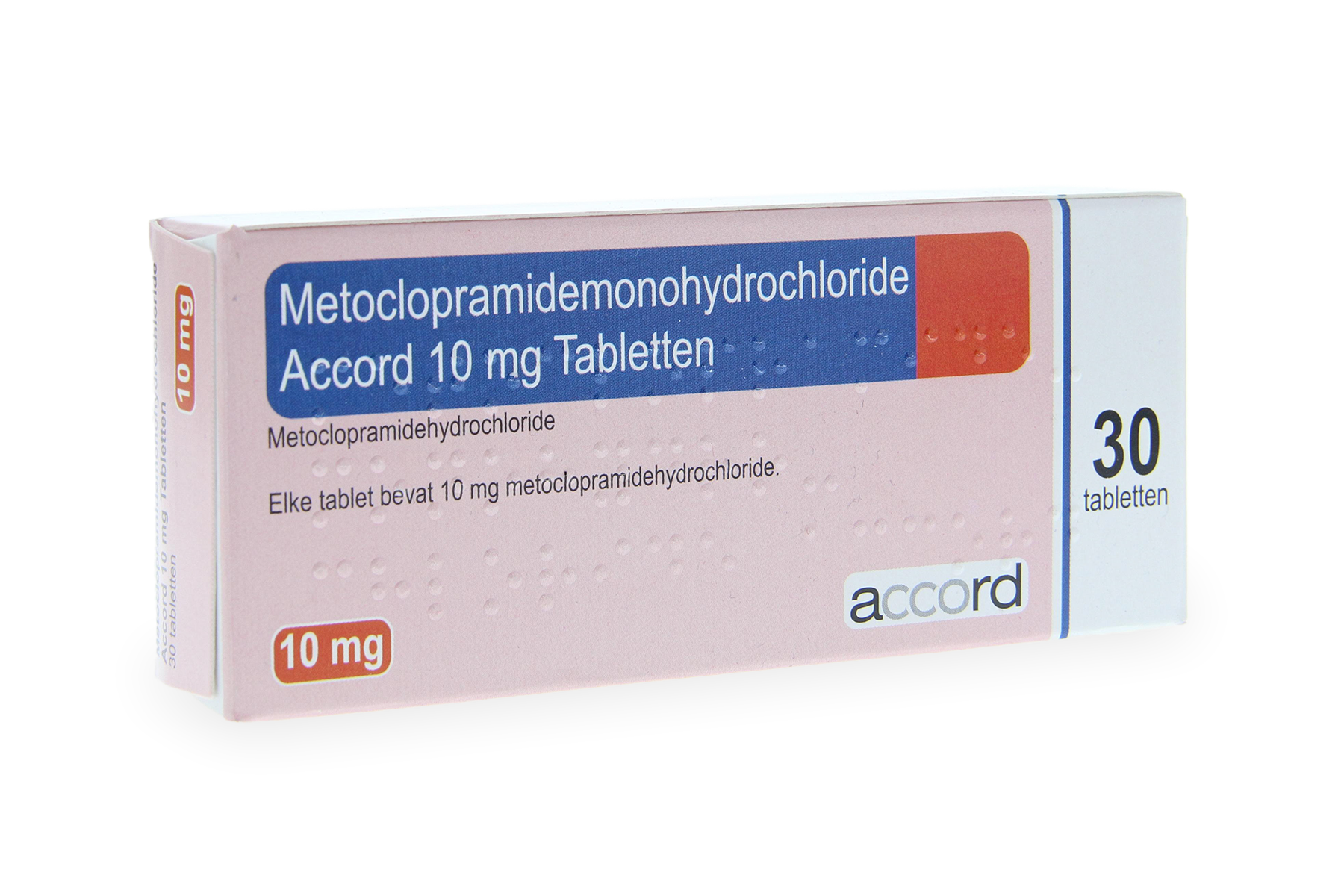
For irritable bowel spasms, Colofac is a highly effective antispasmodic that works directly on the smooth muscle of the gut. If nausea or slow stomach emptying is the primary issue, Metoclopramide can help coordinate digestive contractions.
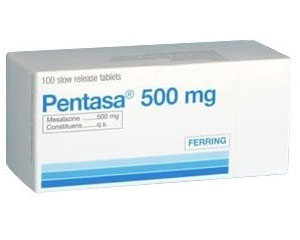
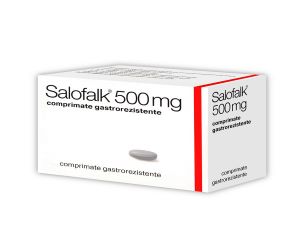
Managing inflammatory bowel diseases (IBD) like Crohn's or Ulcerative Colitis requires specialist medications; I often oversee patients taking Pentasa or Salofalk to maintain their remission by reducing inflammation locally in the bowel.
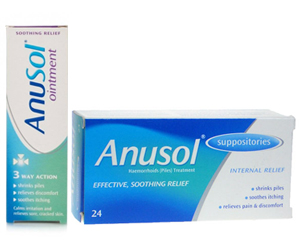
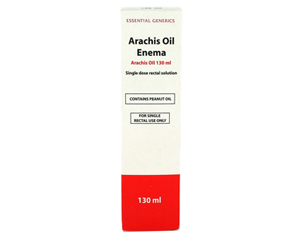
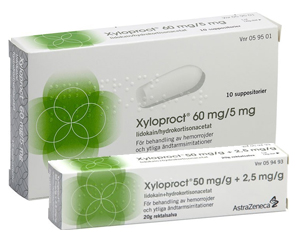
For more localized issues, haemorrhoids respond very well to Anusol HC or Xyloproct . Stubborn constipation may require an Arachis Oil Enema to soften impacted stool—though I always remind patients that this contains peanut oil, so it must be avoided if you have a nut allergy.
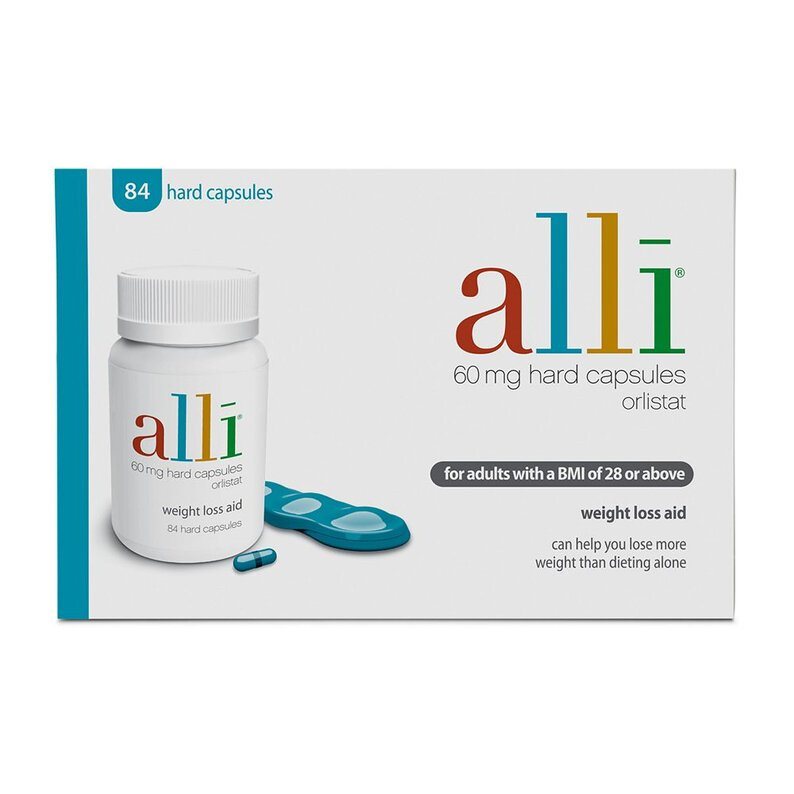
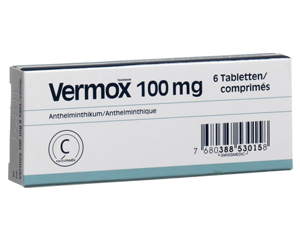
For parasitic infections like threadworms, a single dose of Vermox is my standard protocol. Finally, for patients managing their weight alongside GI health, Alli can be used to prevent dietary fat absorption in the gut.
Setting realistic expectations is a vital part of my job. For example, PPIs like Omeprazole are not instant antacids; they take 2 to 3 days to reach their peak acid-suppressing effect.
I frequently see patients who mistakenly stop taking them on day two, assuming the medication has failed. Conversely, antispasmodics like Colofac can provide relief within just a few hours.
Treatments for haemorrhoids usually soothe itching immediately, but the shrinking of the swollen blood vessels takes about a week of consistent application.
Medication works best when paired with mindful habits. Instead of just giving the generic advice to "eat more fibre," I advise my patients to focus on the mechanics of eating.
I recommend chewing your food until it is practically liquid. Digestion begins in the mouth with an enzyme called salivary amylase. Bypassing this step by eating too quickly puts immense strain on your stomach and bowel, often leading to bloating and reflux regardless of what medication you are taking.
Additionally, leaving a three-hour gap between your last meal and bedtime is one of the most effective non-medical interventions for acid reflux.
Important: Prescriptsy connects you with independent, EU-registered doctors. We do not sell medication directly. All treatments are prescribed by a doctor and delivered discreetly to your door.
We use cookies and similar technologies to improve your experience and analyze our services. You can customize your preferences below.